Skomer is one of my favourite places! Every time you land on the island, it feels like a new adventure and you never leave without new experiences! And this visit was no exception.
Booking the trip seemed like a distant memory, but we spent a whole October morning (and some 200 calls - one landline and two mobiles) in the phone queue and hoping there were places left in June or July, when puffins were at peak numbers. But, after a long wait, we were successful and secured a two night stay.
And so, nine months later and with the memory of two trips cancelled by the weather in the last couple of years, we stepped onto the Dale Queen with nervous anticipation and made the short crossing to Skomer.
It was indeed "peak puffin" - the air and waters around North Haven were alive with birds, many more than we had seen for many years, if not ever. And not just puffins, but guillemots and razorbills too. We climbed ashore and formed a chain gang to unload our group's luggage from the boat (and load up the luggage from the vacating group). Then it was a short walk up to The Farm, a quick introductory briefing then out to explore...
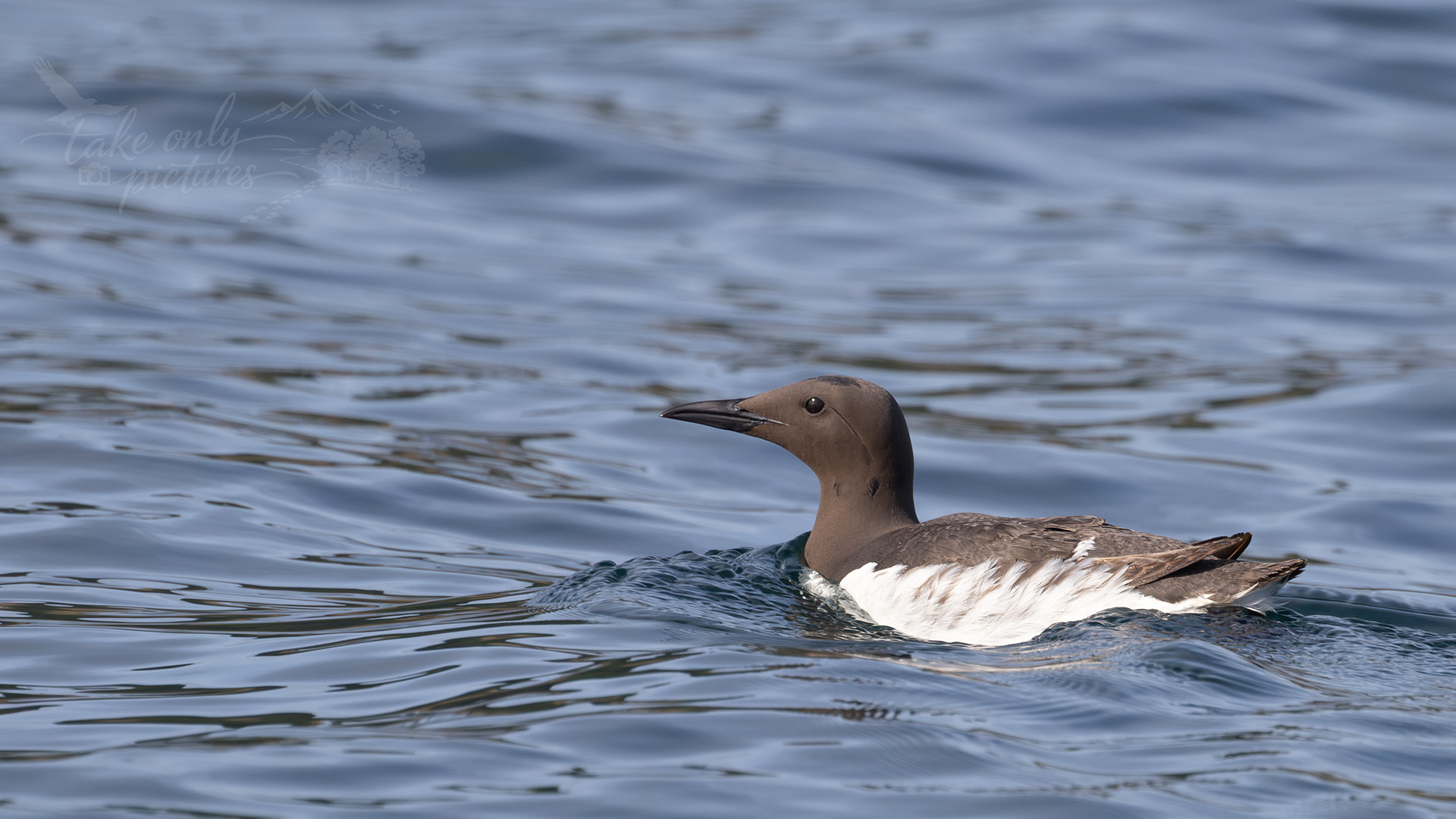
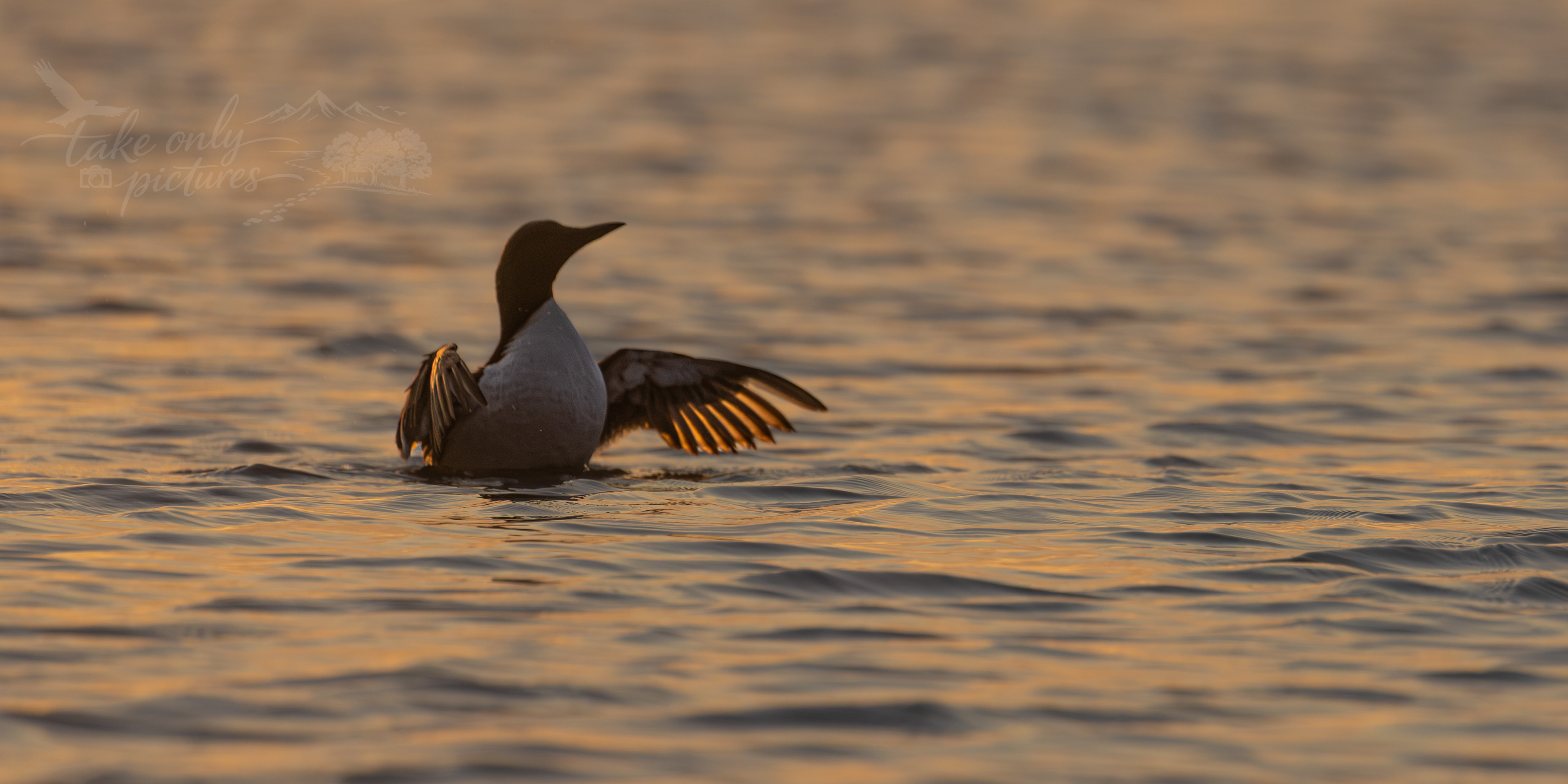
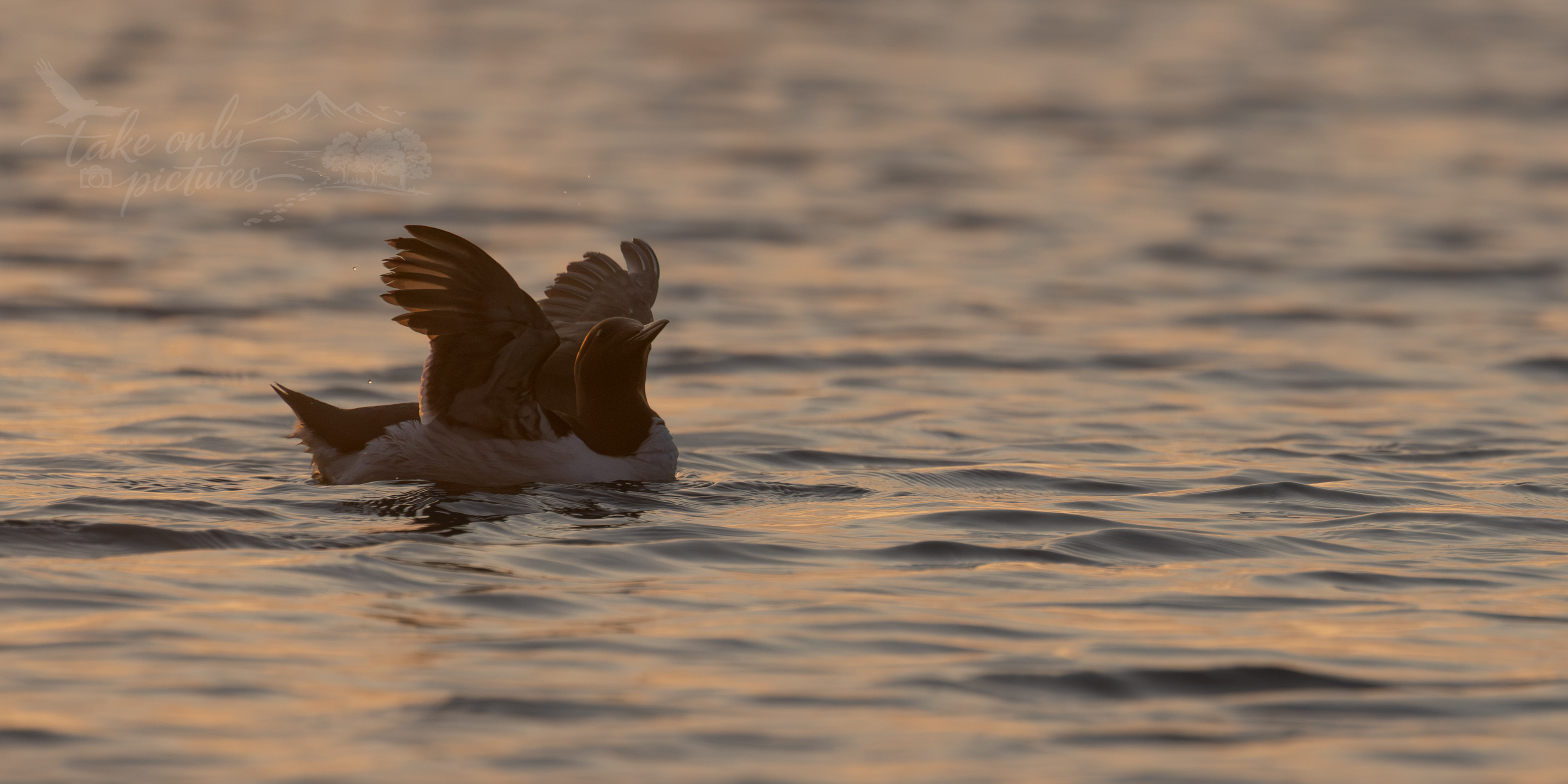
Guillemot on the waters of North Haven
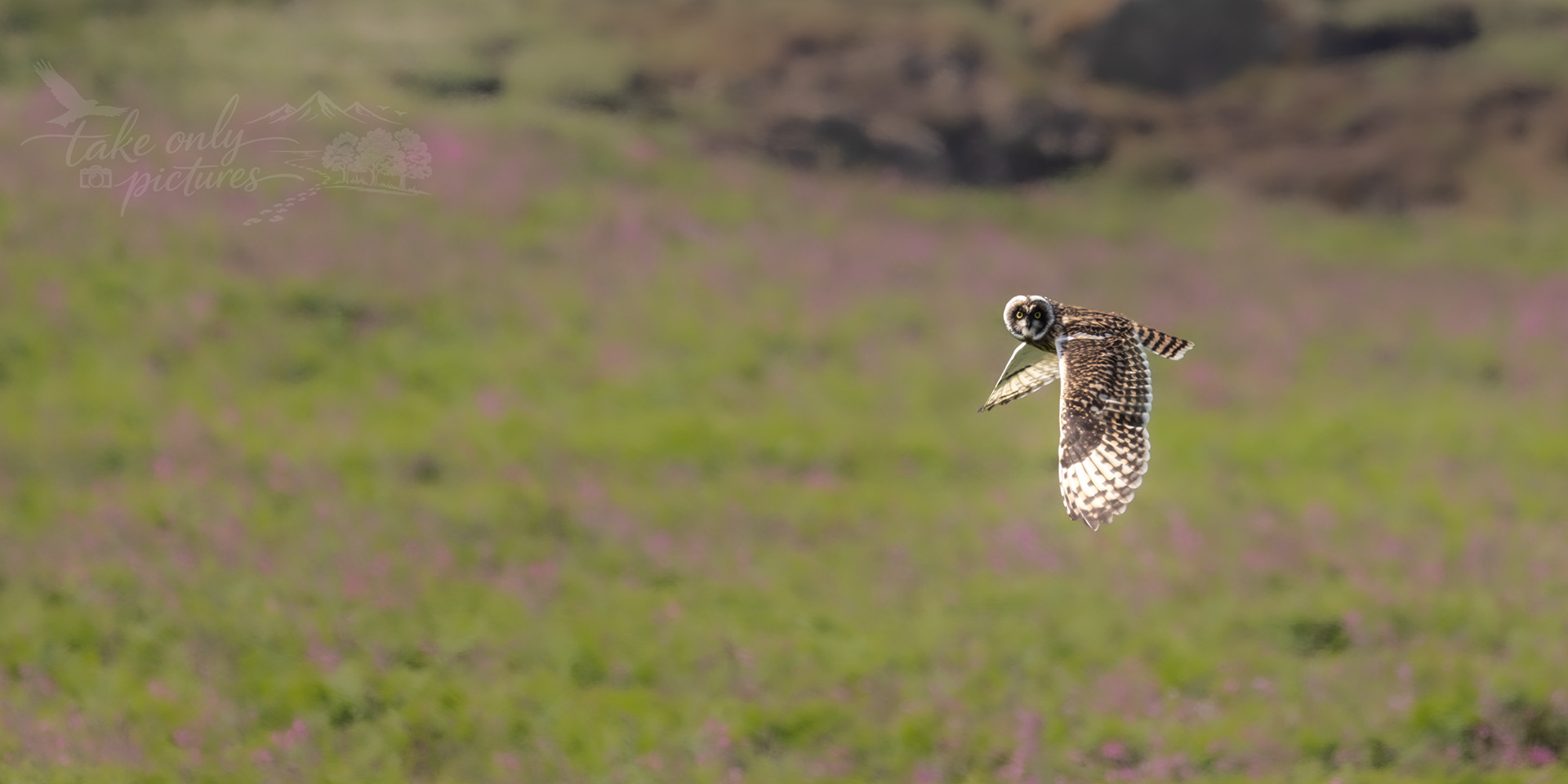
Short-eared owl quartering across the island
While puffins steal the show on Skomer, one of the other birds we were keen to see were short-eared owls. Upto nine pairs nest here, hunting over the bracken for the endemic Skomer vole. Although we had had a distant sighting once before on Skomer (and have had a close encounter on Orkney), SEOs have largely eluded us. But, today was different. As we crossed North Valley, a SEO suddenly appeared at a distance off to our left and quartered its way towards the north coast. It soon disappeared, but less than a kilometre further on, close to Bull Hole, it or another appeared, this time considerably closer and for much longer (although never close enough for any better than a highly cropped photo at 500 mm).
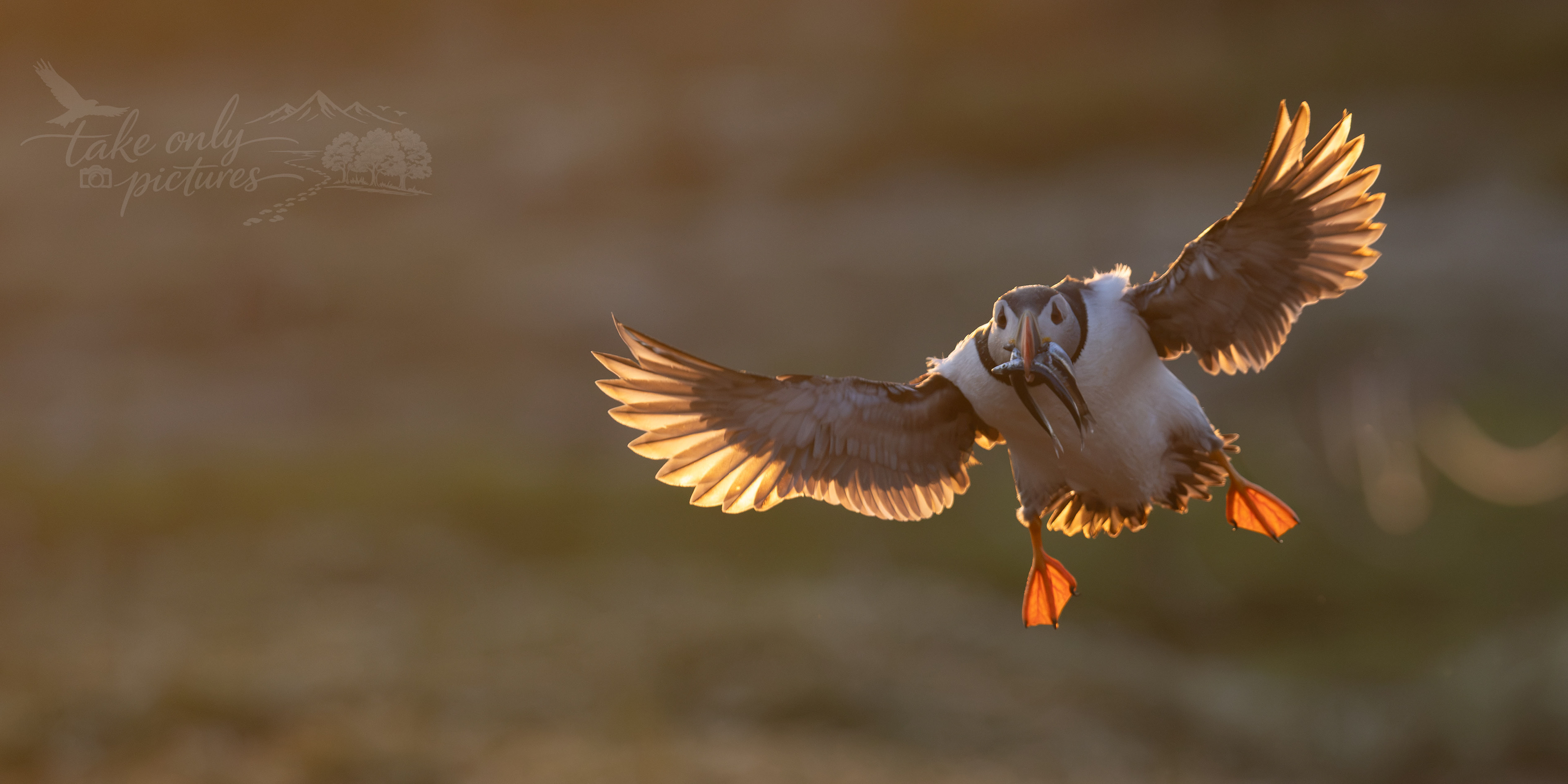
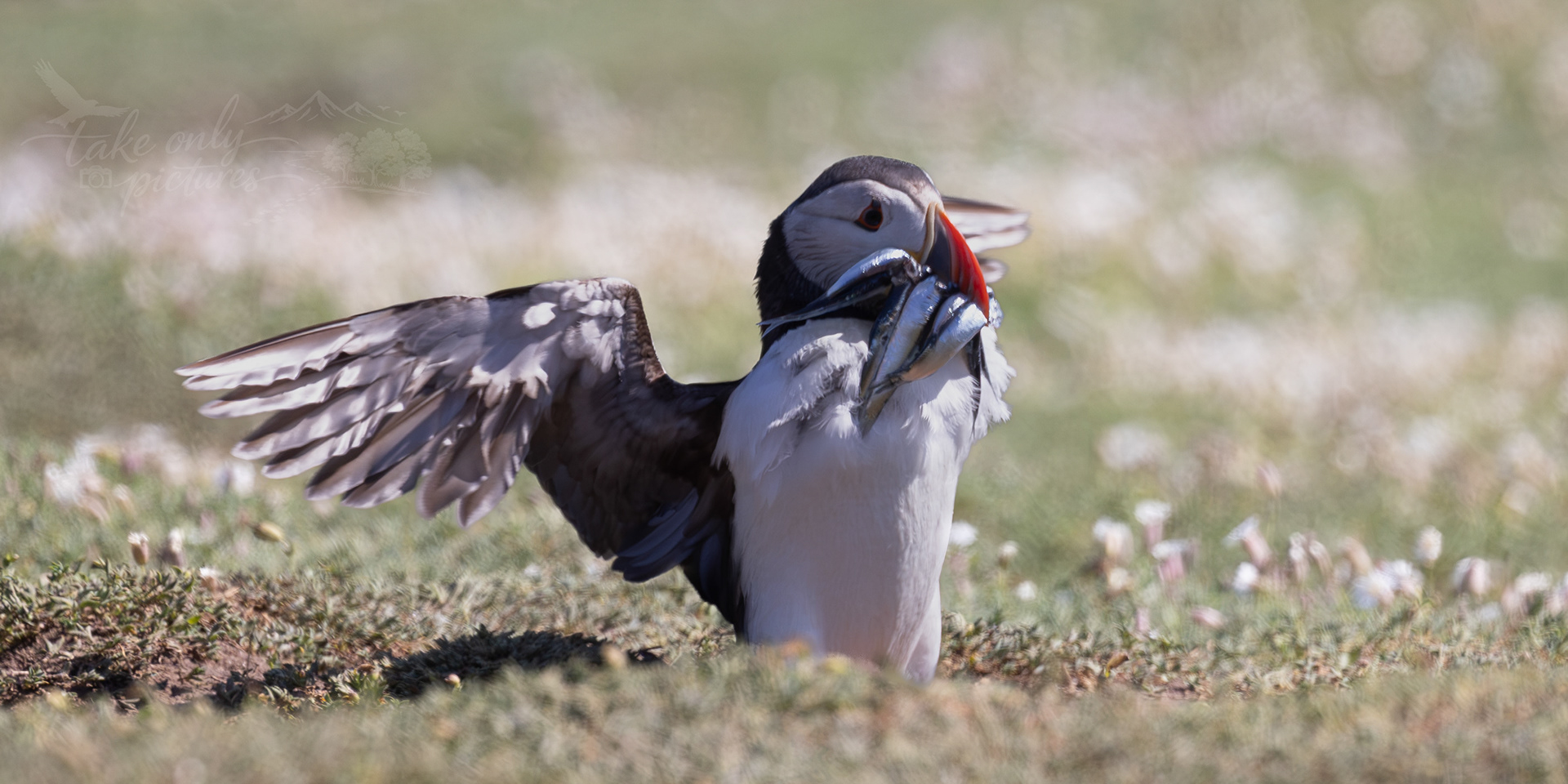
We spent the rest of the day walking the perimeter, reacquainting ourselves with the island, before inevitably ending up at Y Wig (The Wick) for some compulsory photos of puffins returning with food for their growing pufflings.
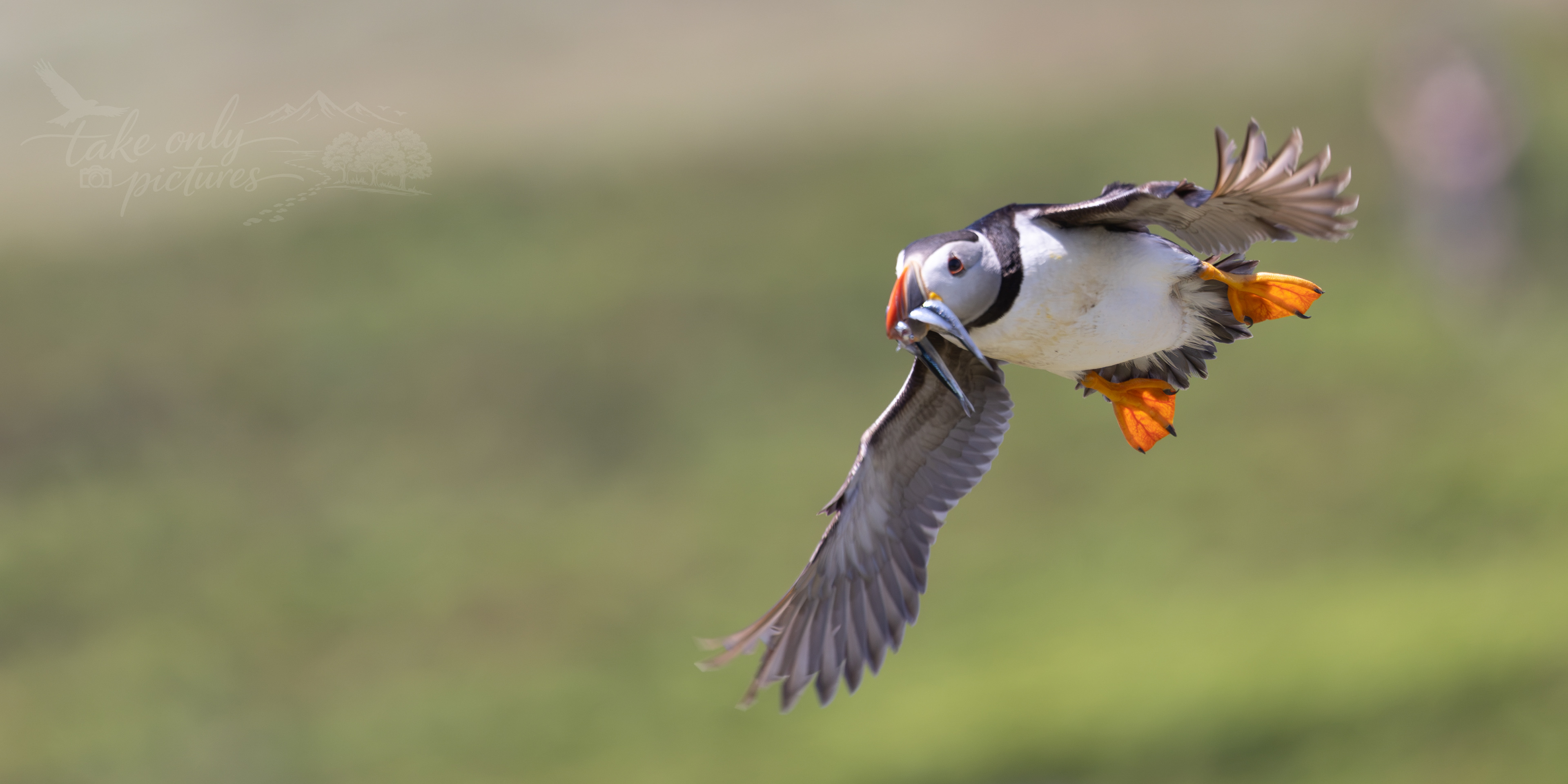
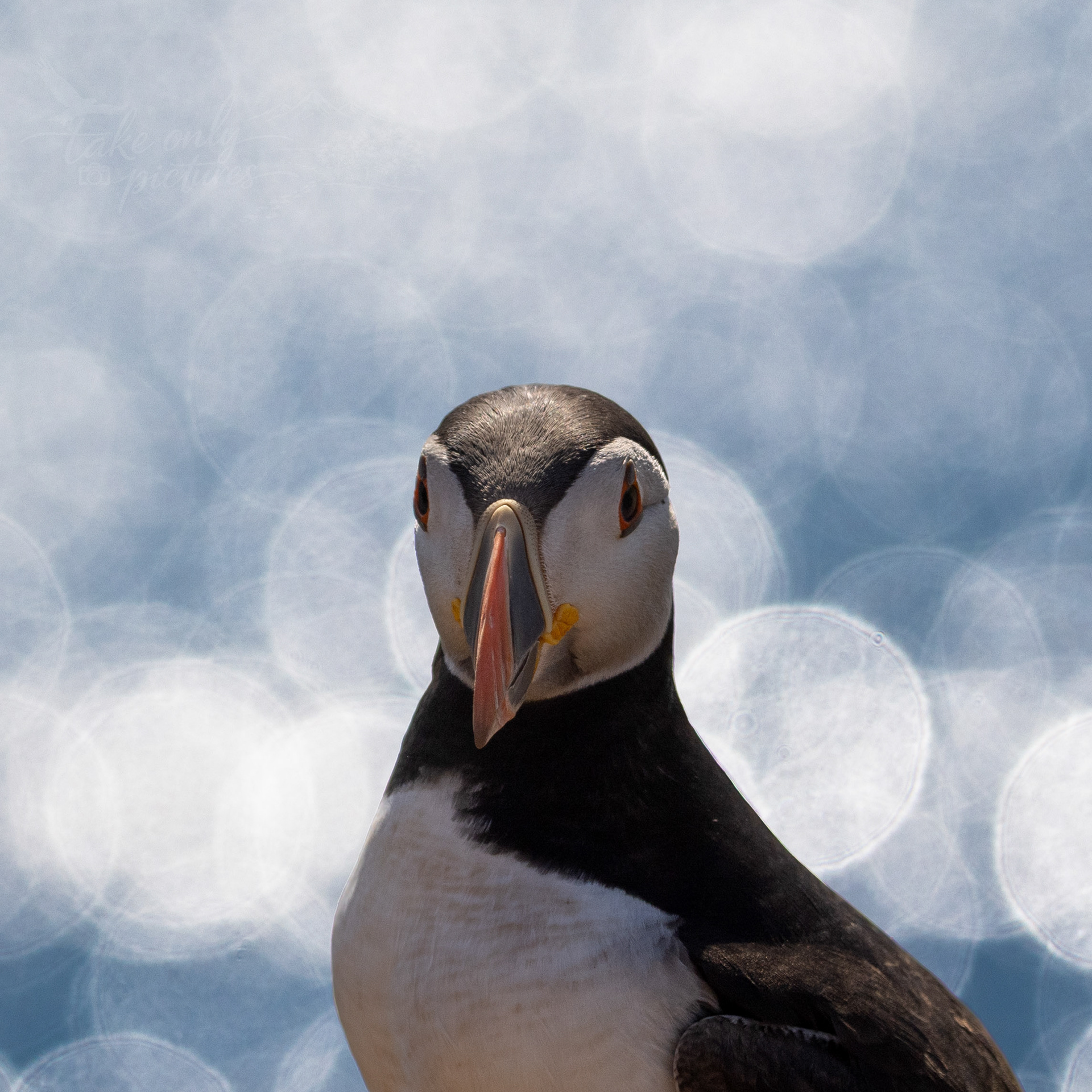
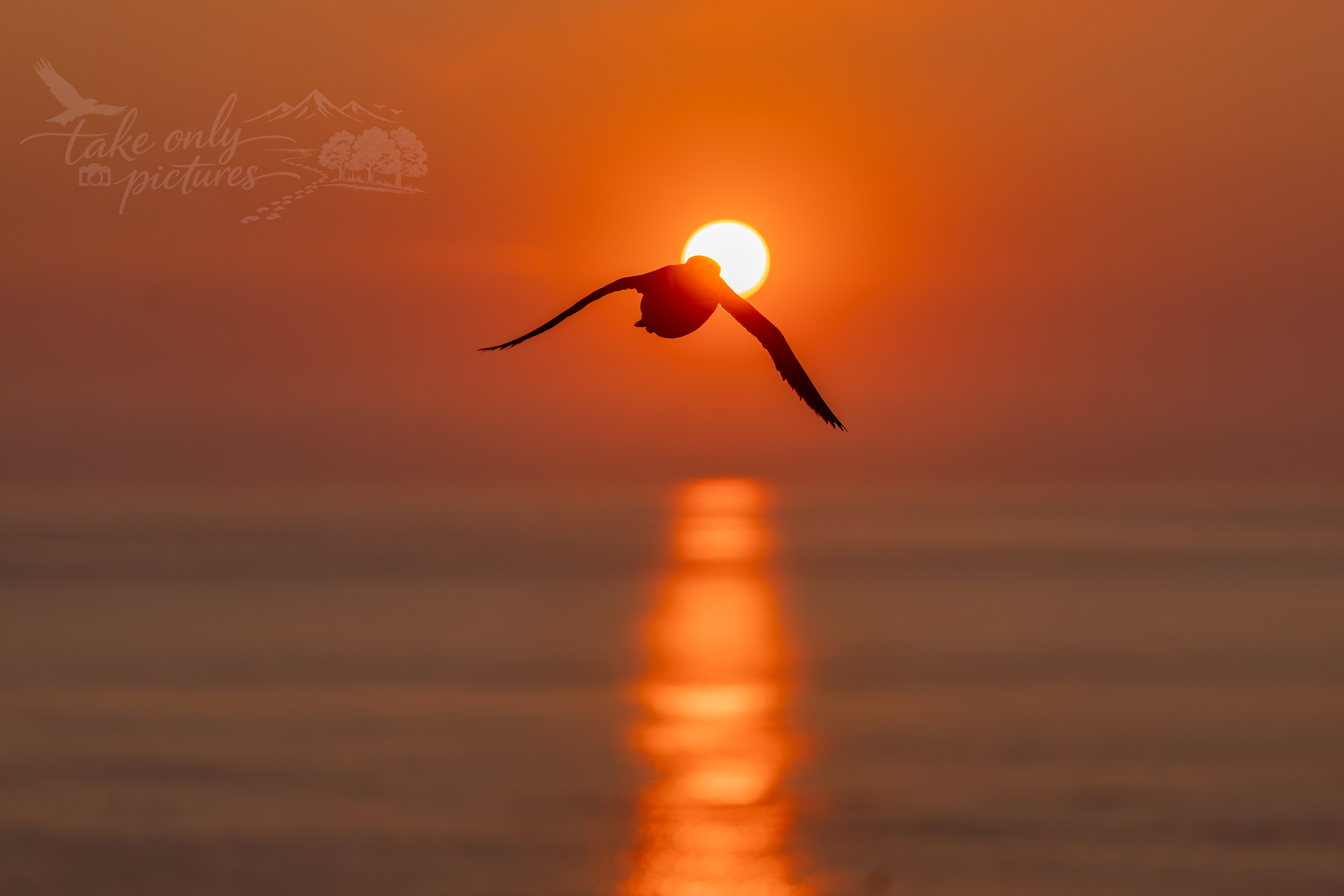
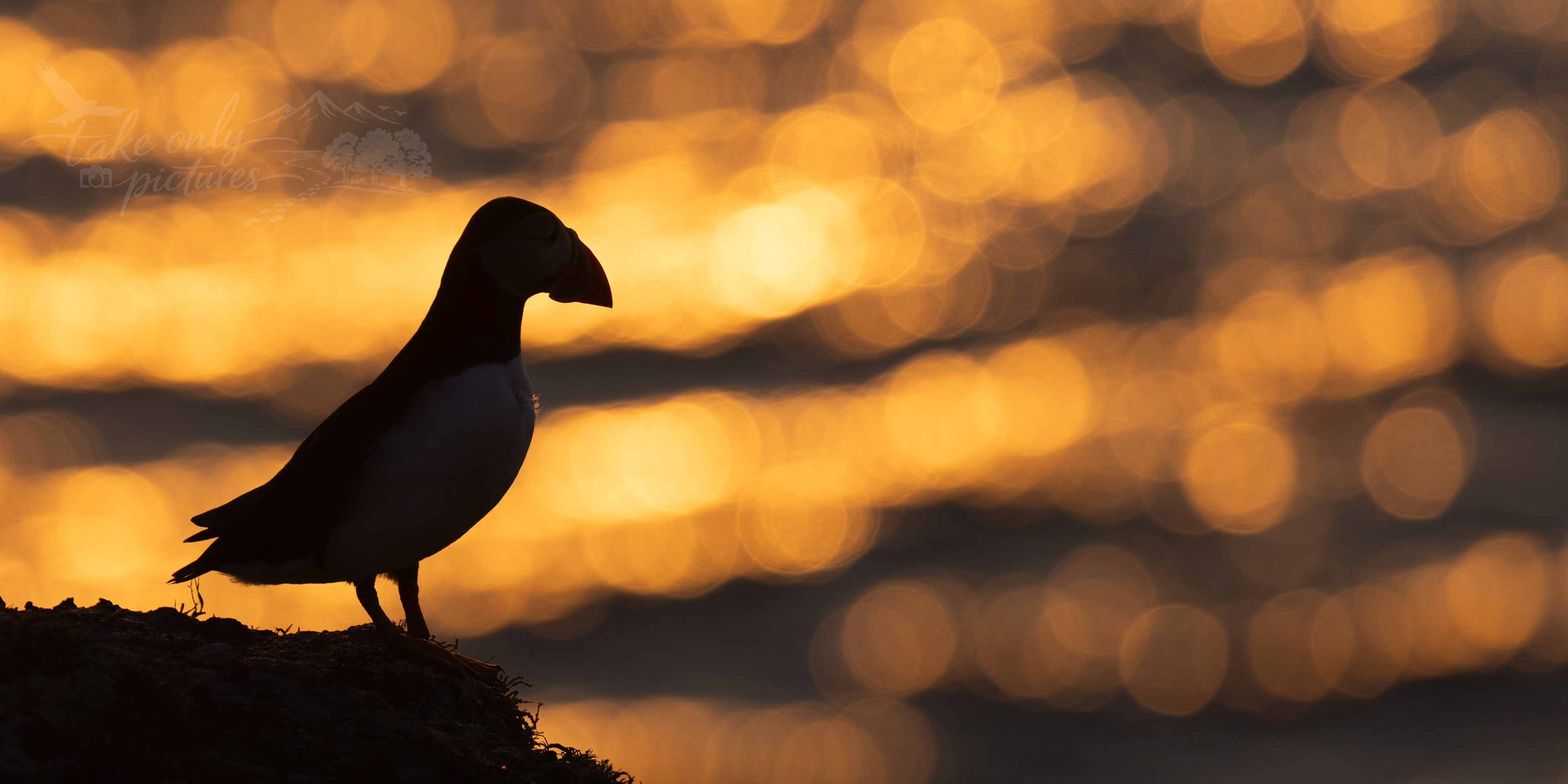
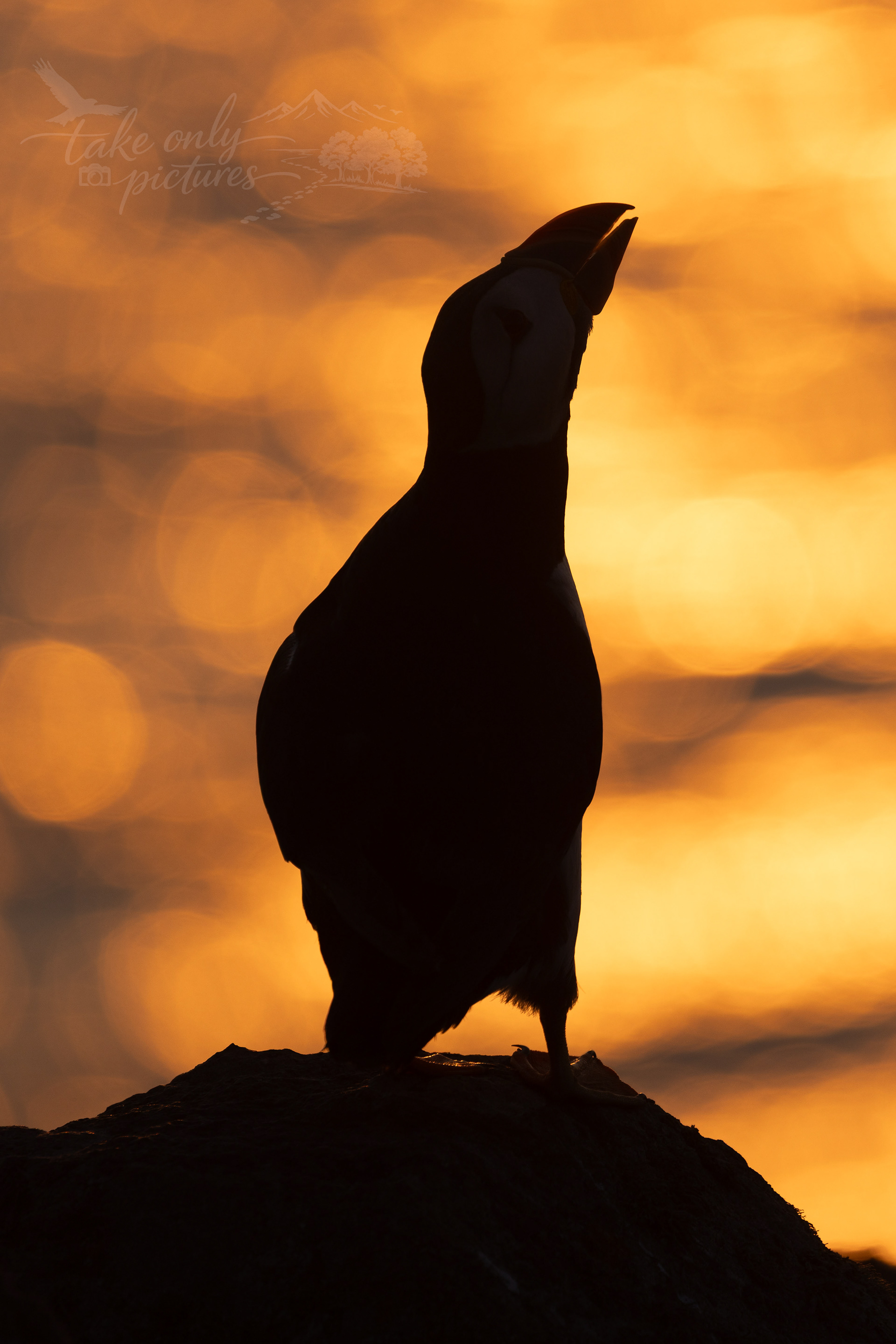
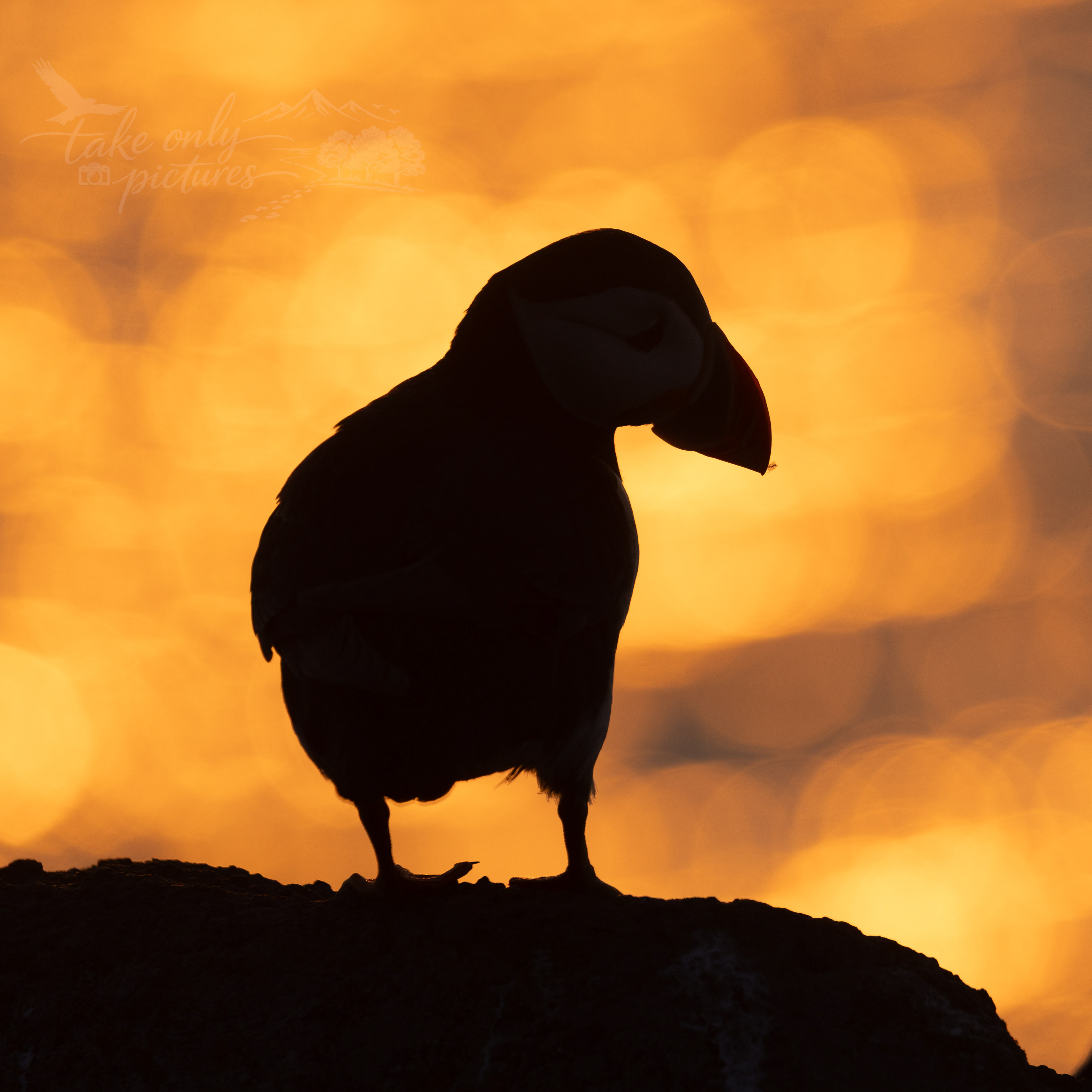
The light was very harsh for much of the day, making photography difficult, but it did create some nice bokeh where birds were silhouetted against the sea.
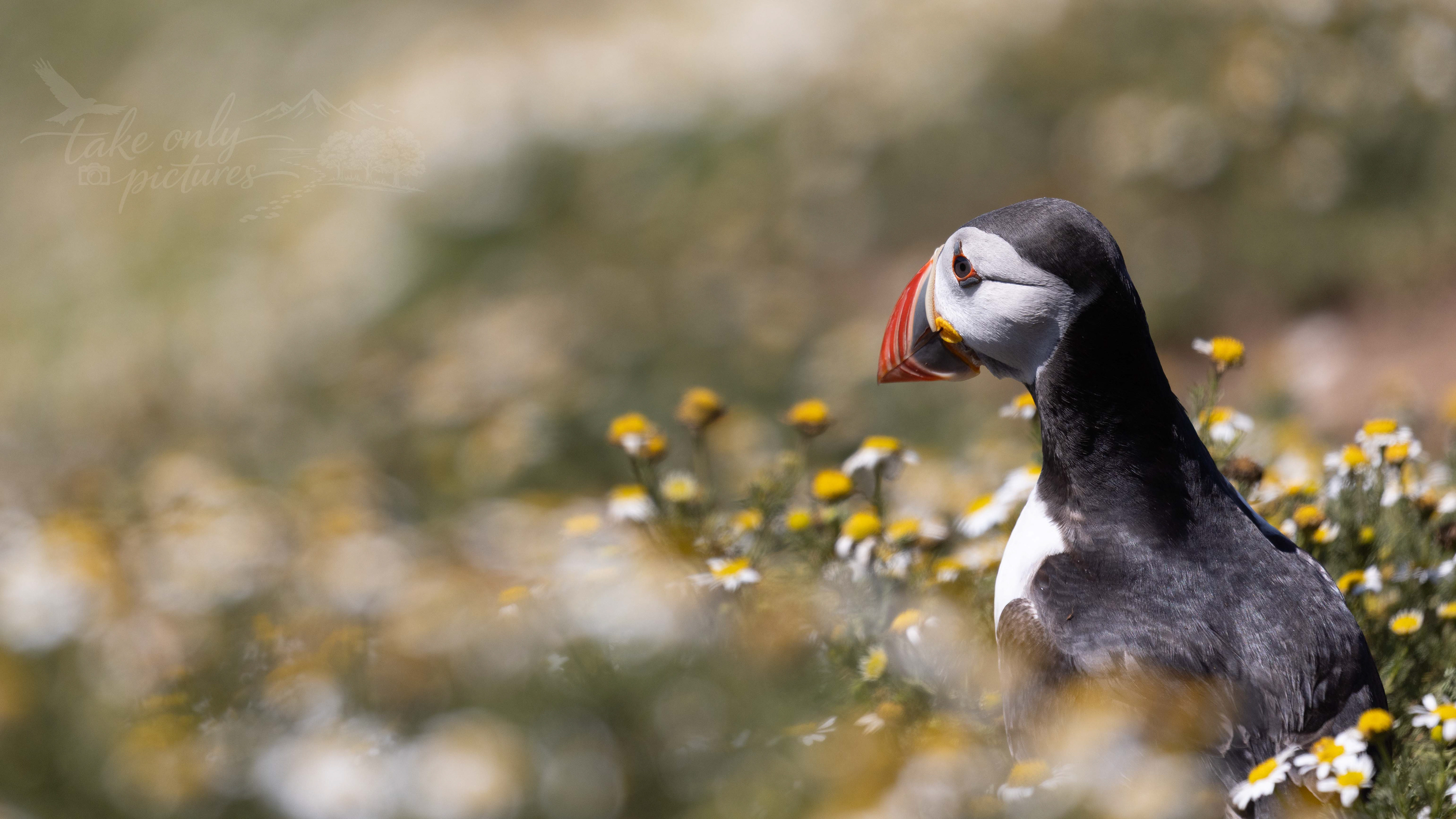
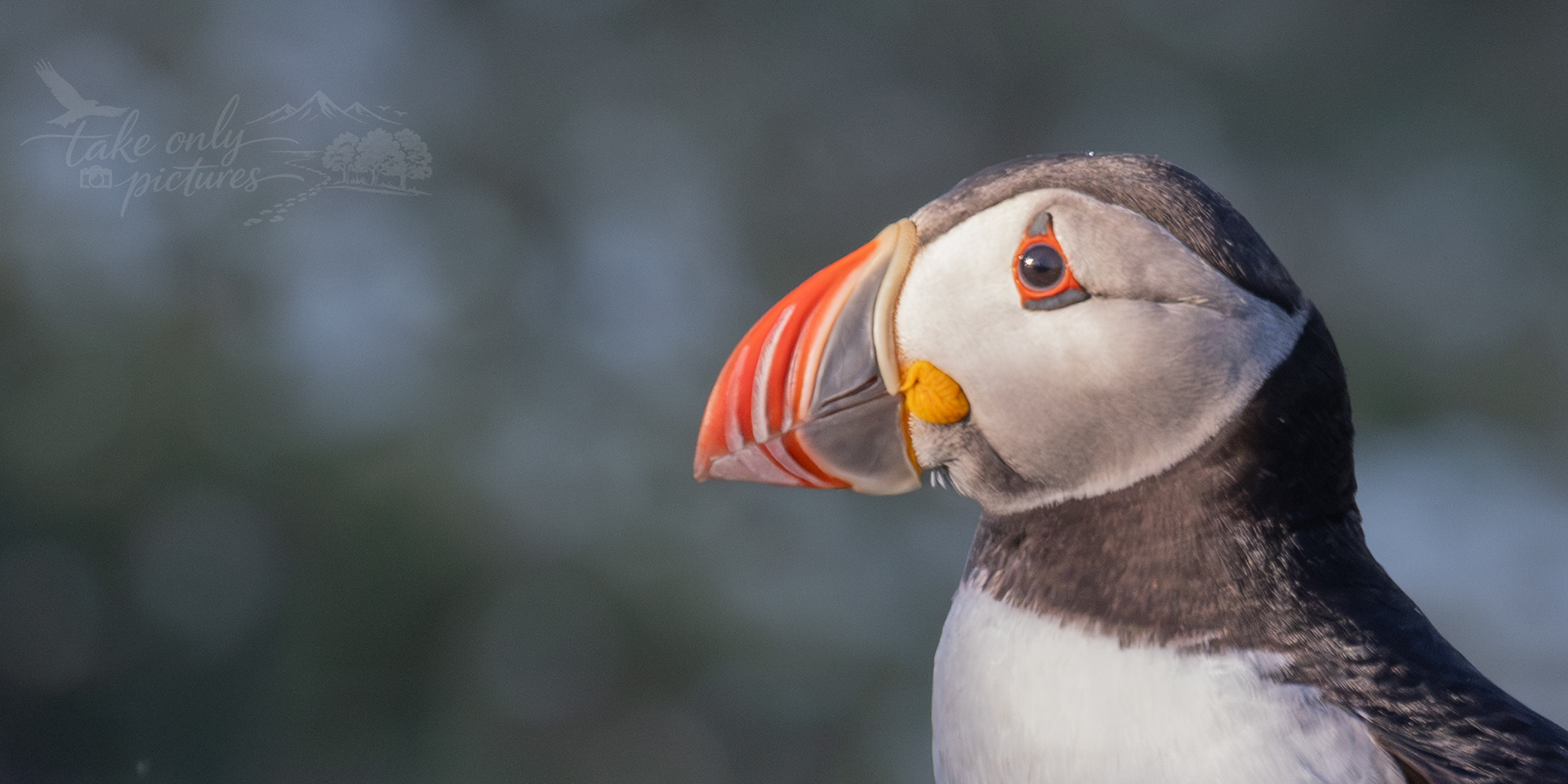
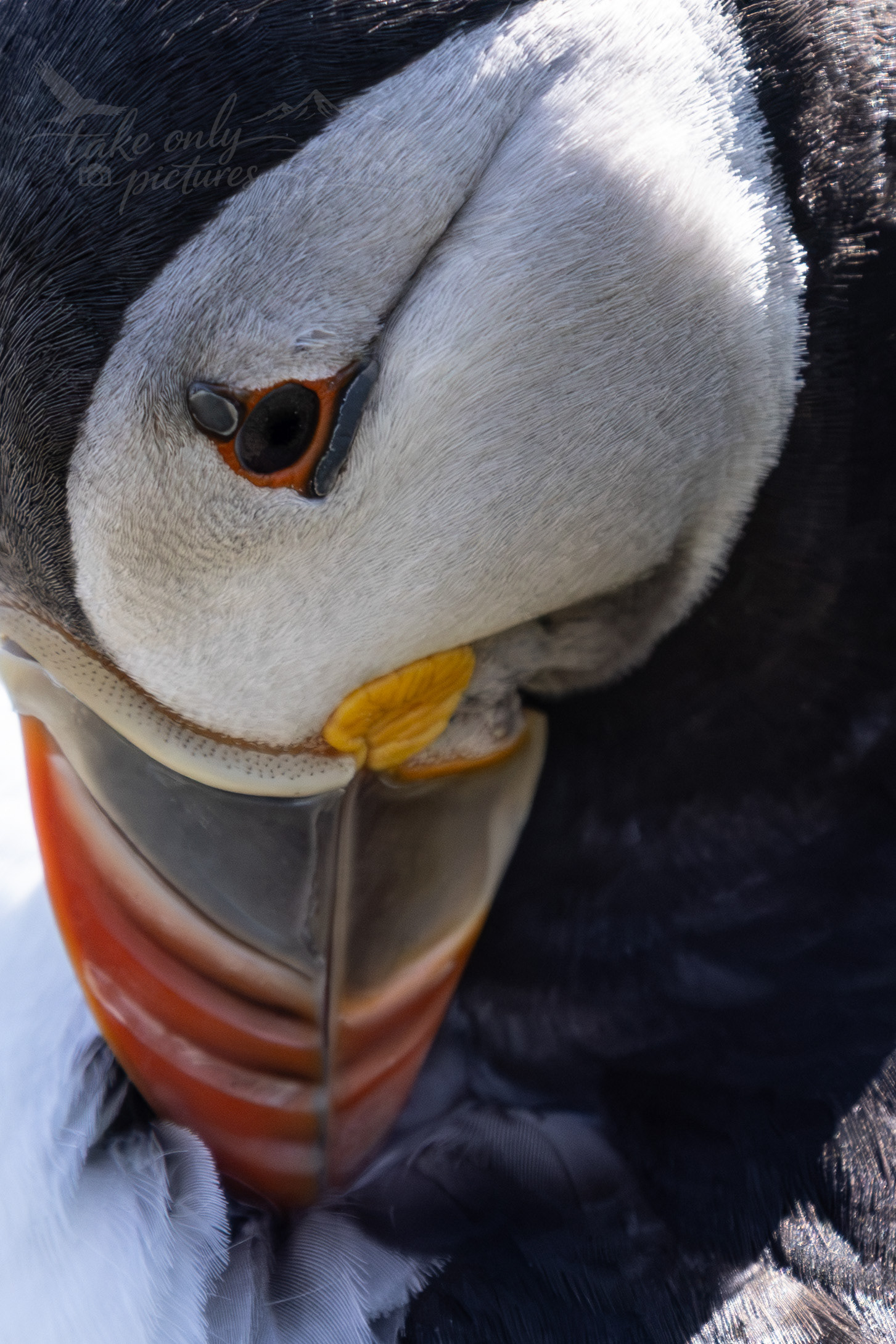
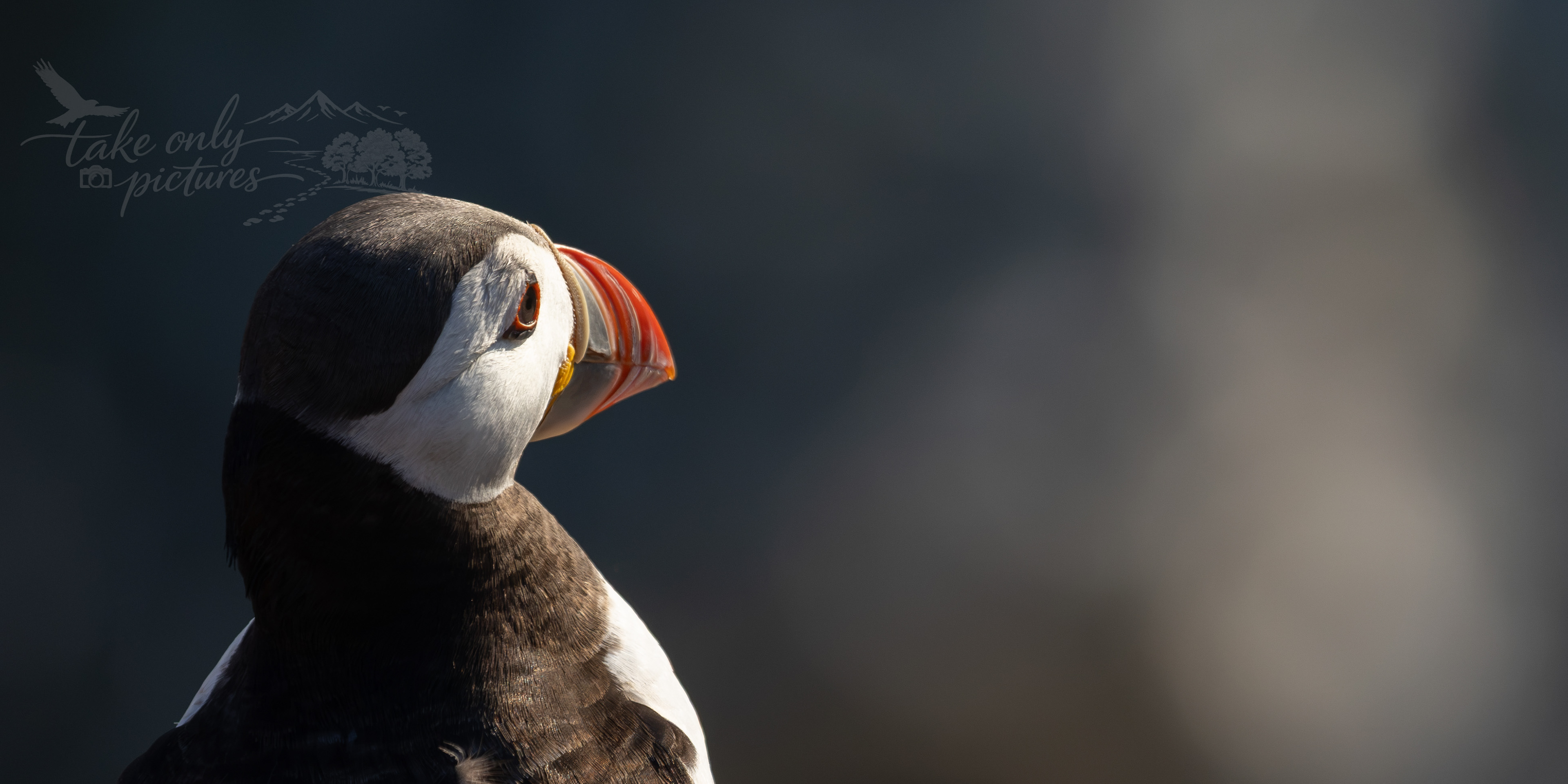
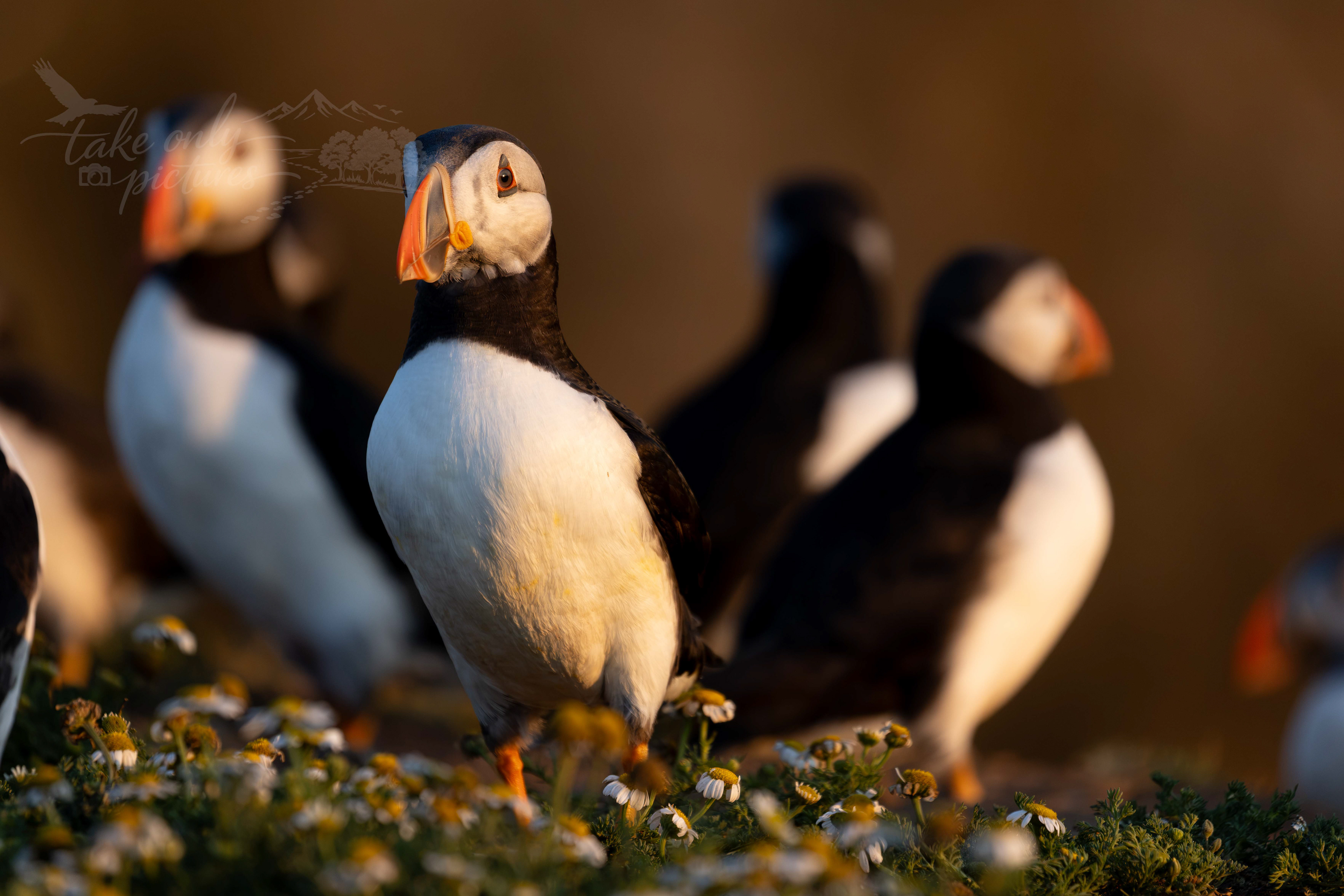
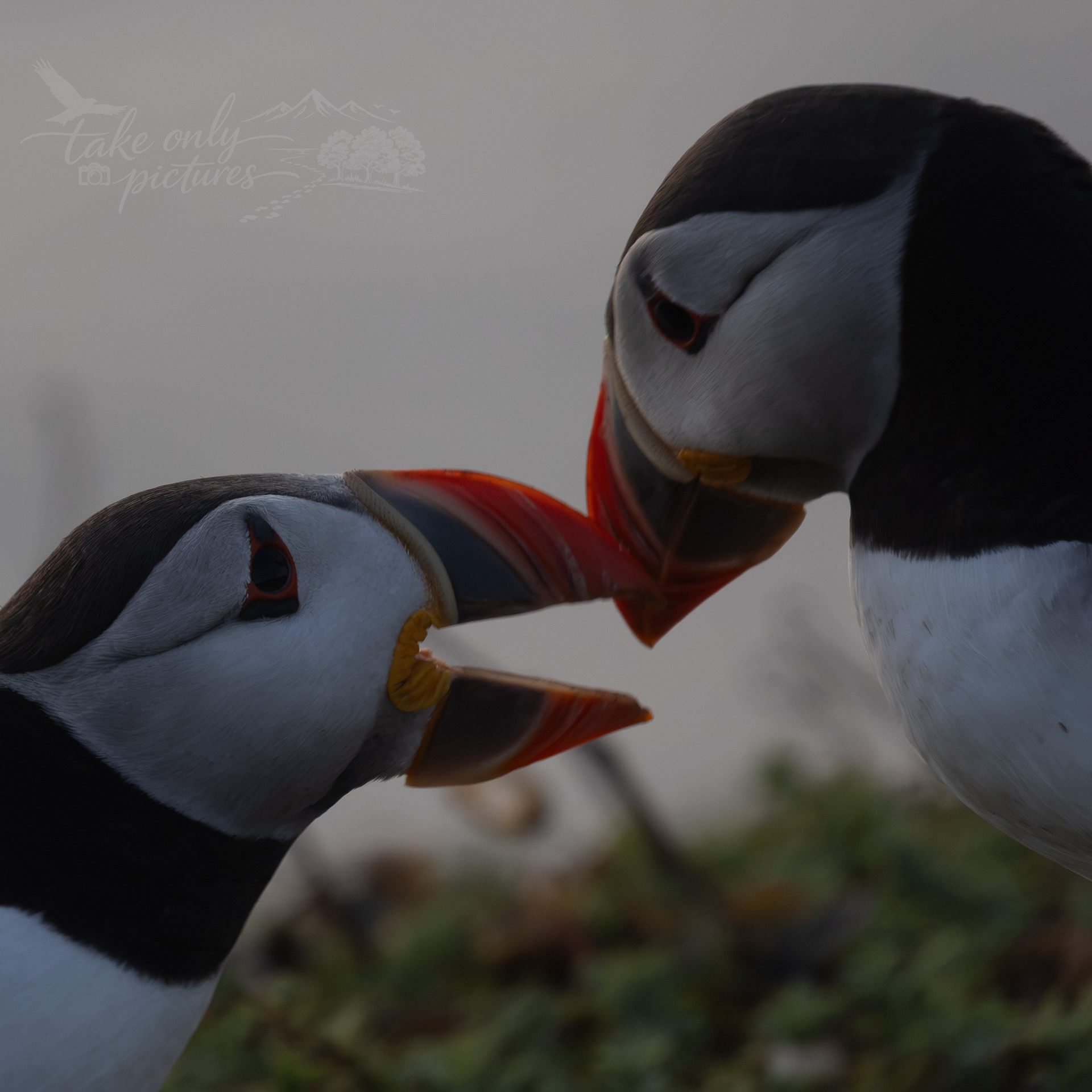
I had made a list of various photos I wanted to take while on the island, among which were various close portraits of puffin heads, beaks and plumage (I would have liked to have done the same for the other auks - guillemots and razorbills, but the chance of getting anywhere close enough was remote.
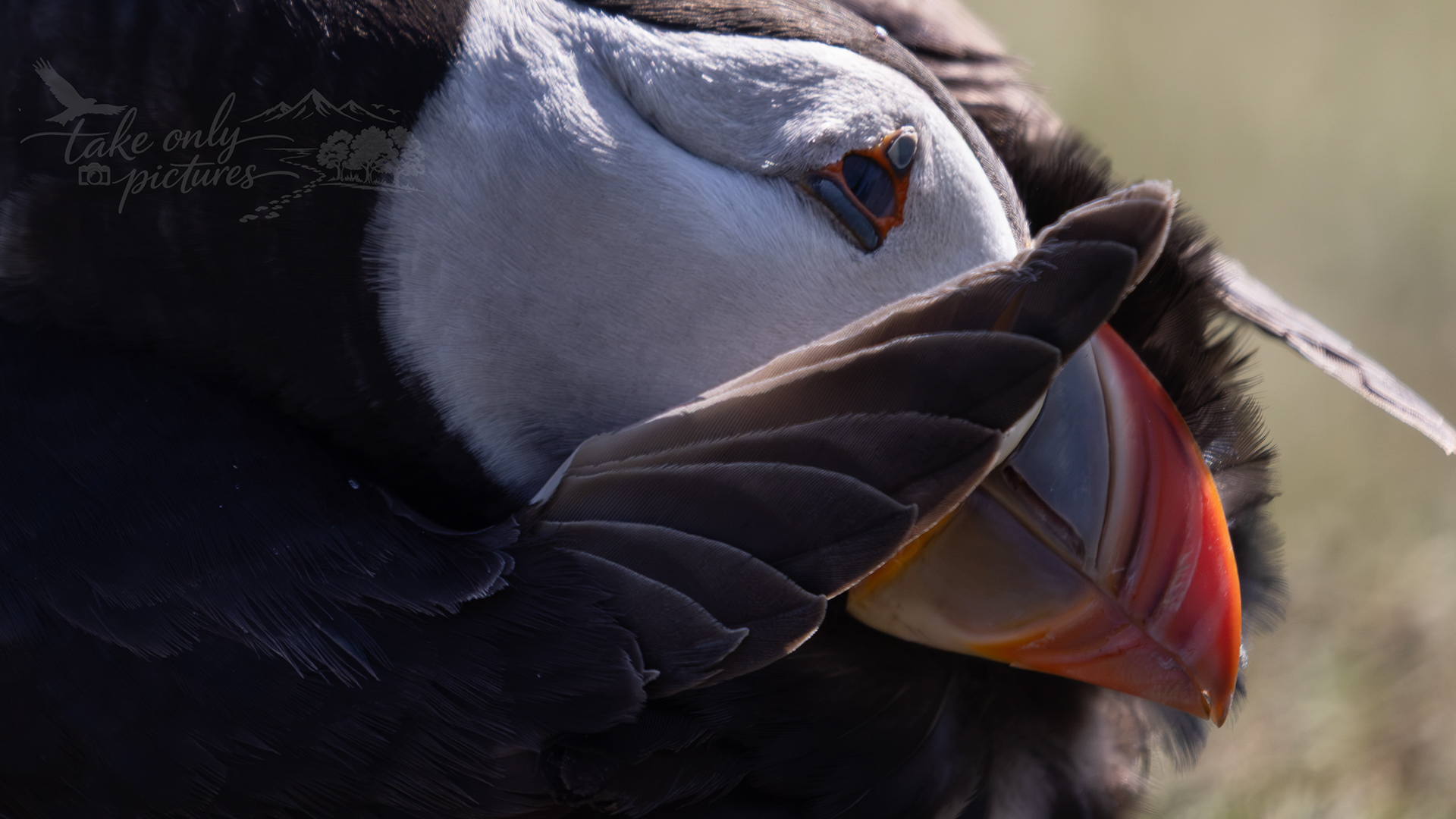
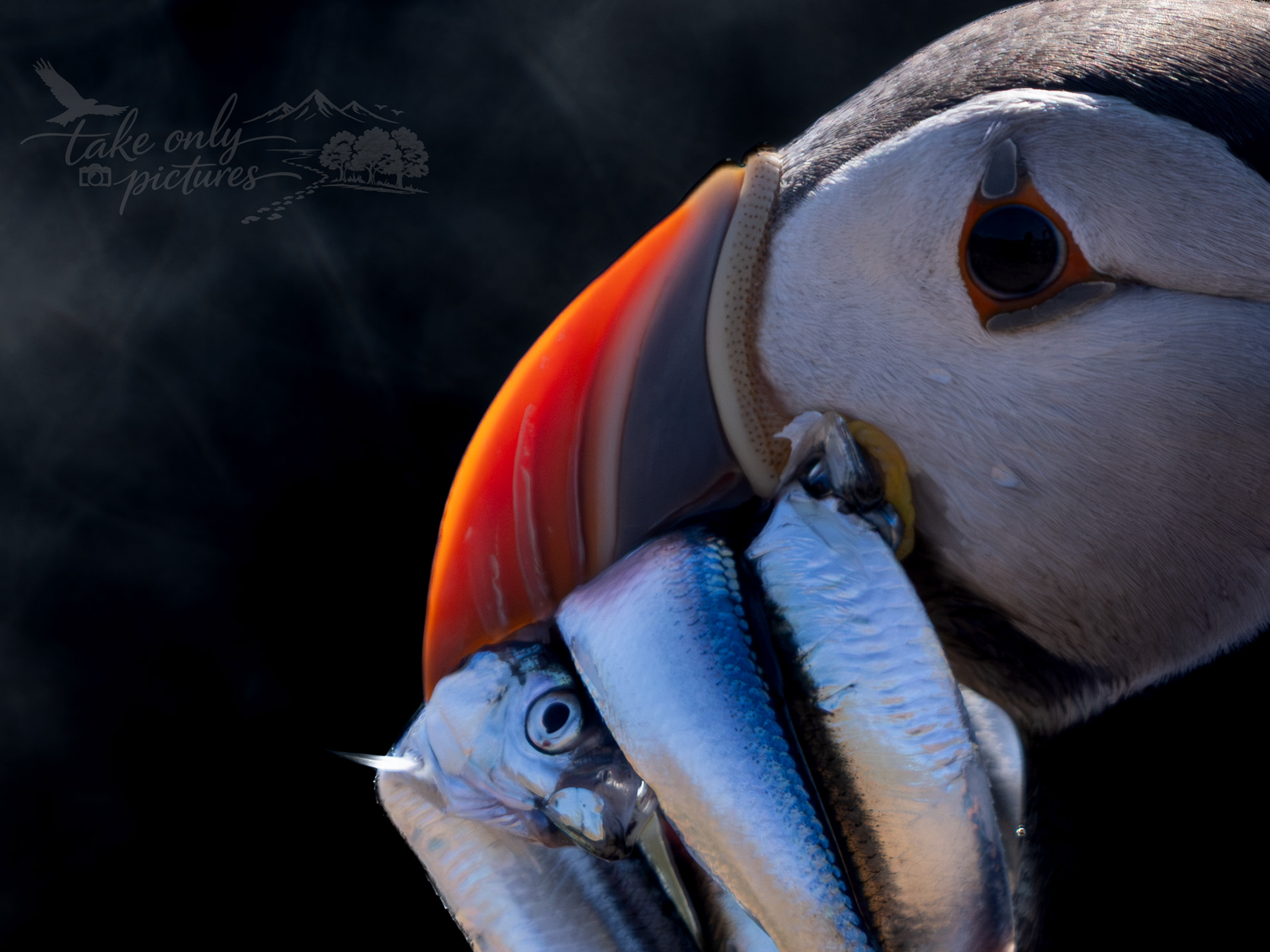
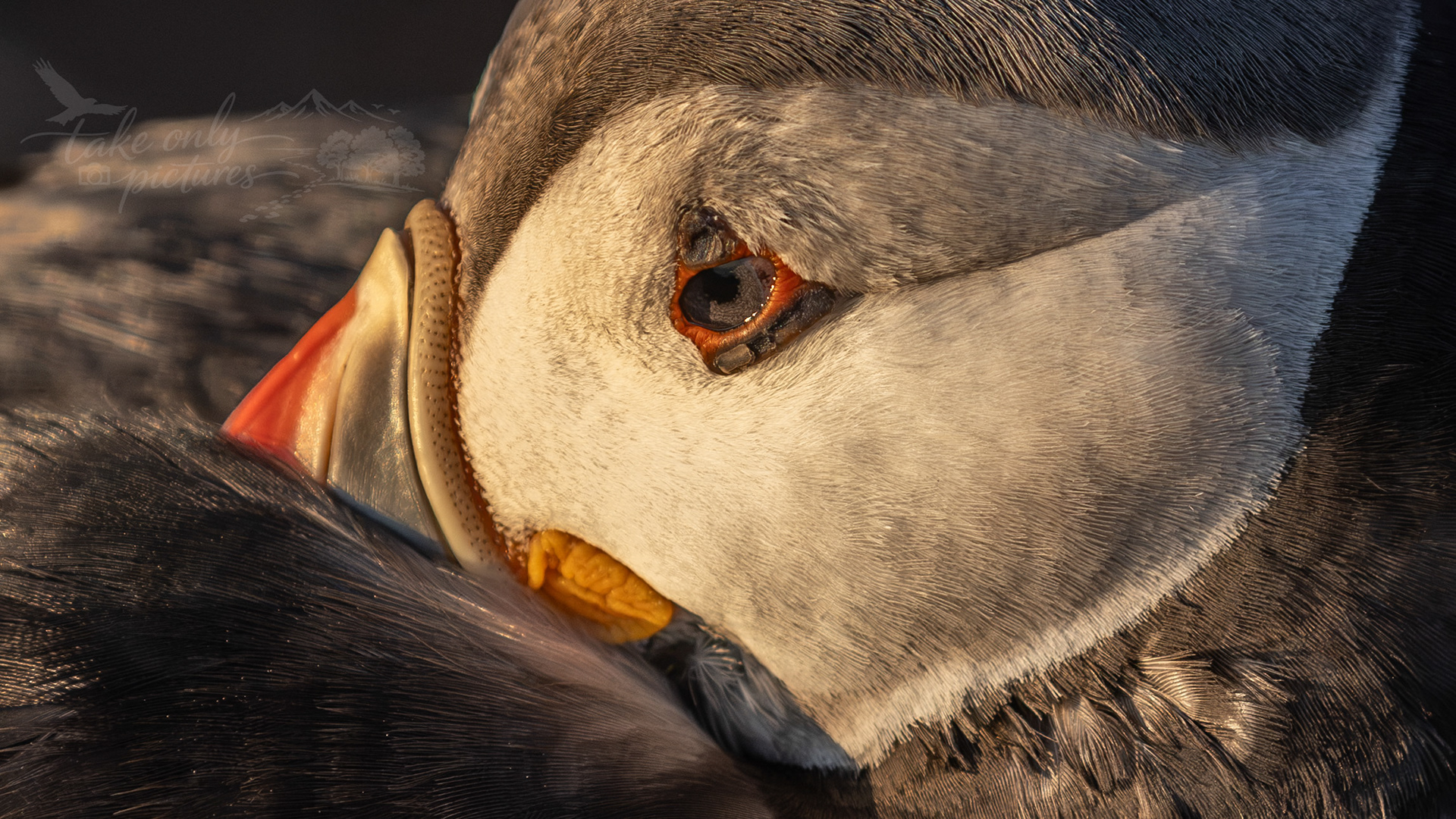
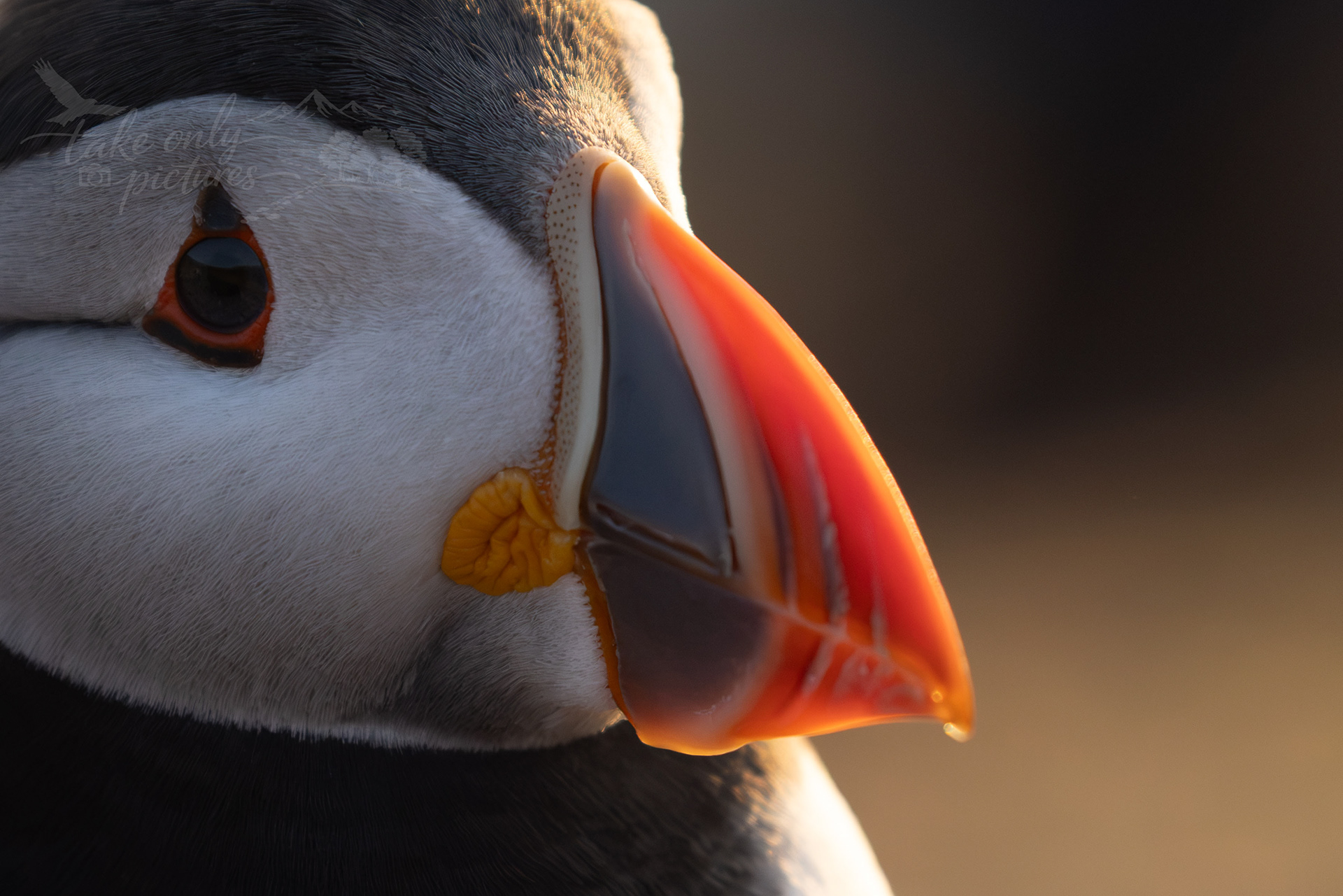
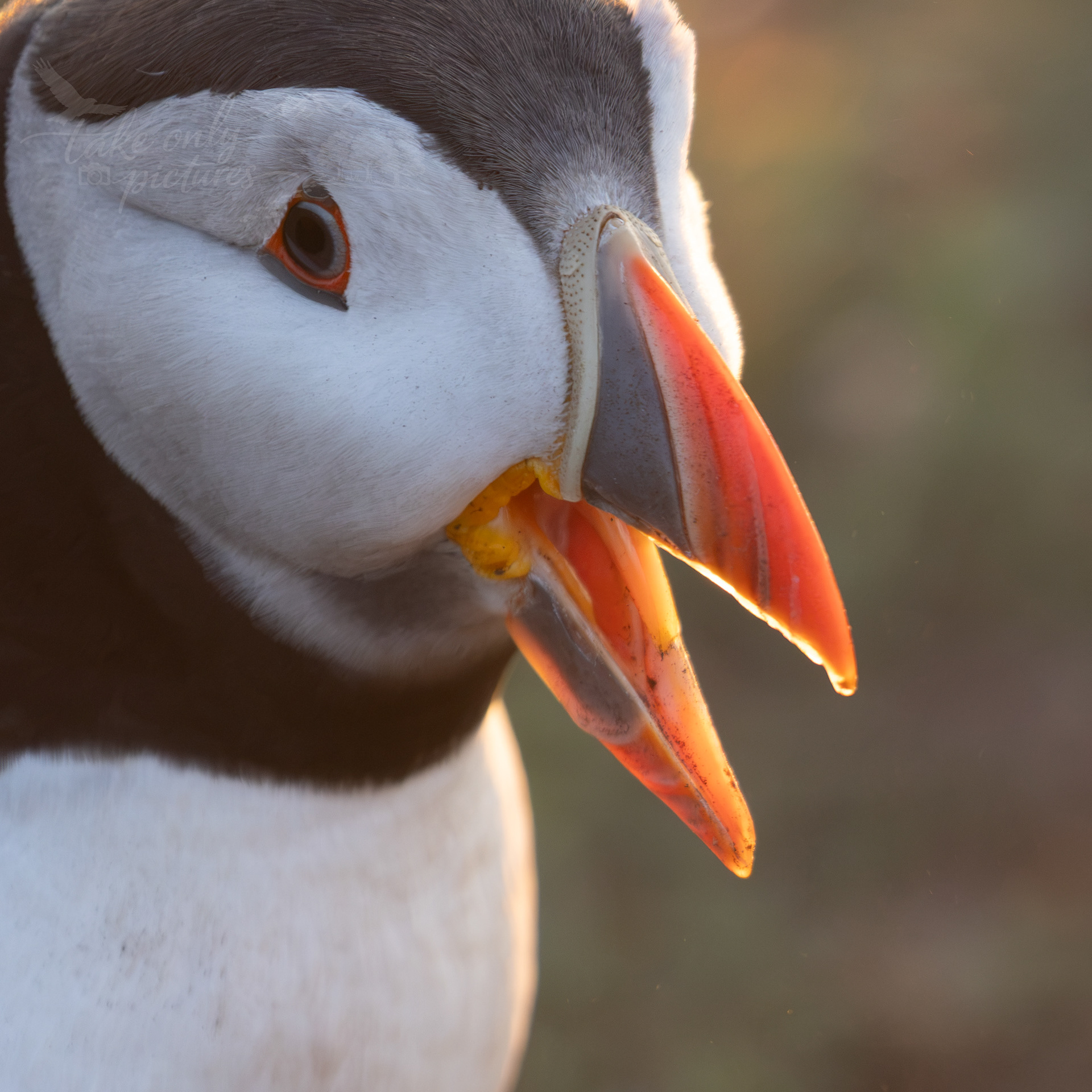
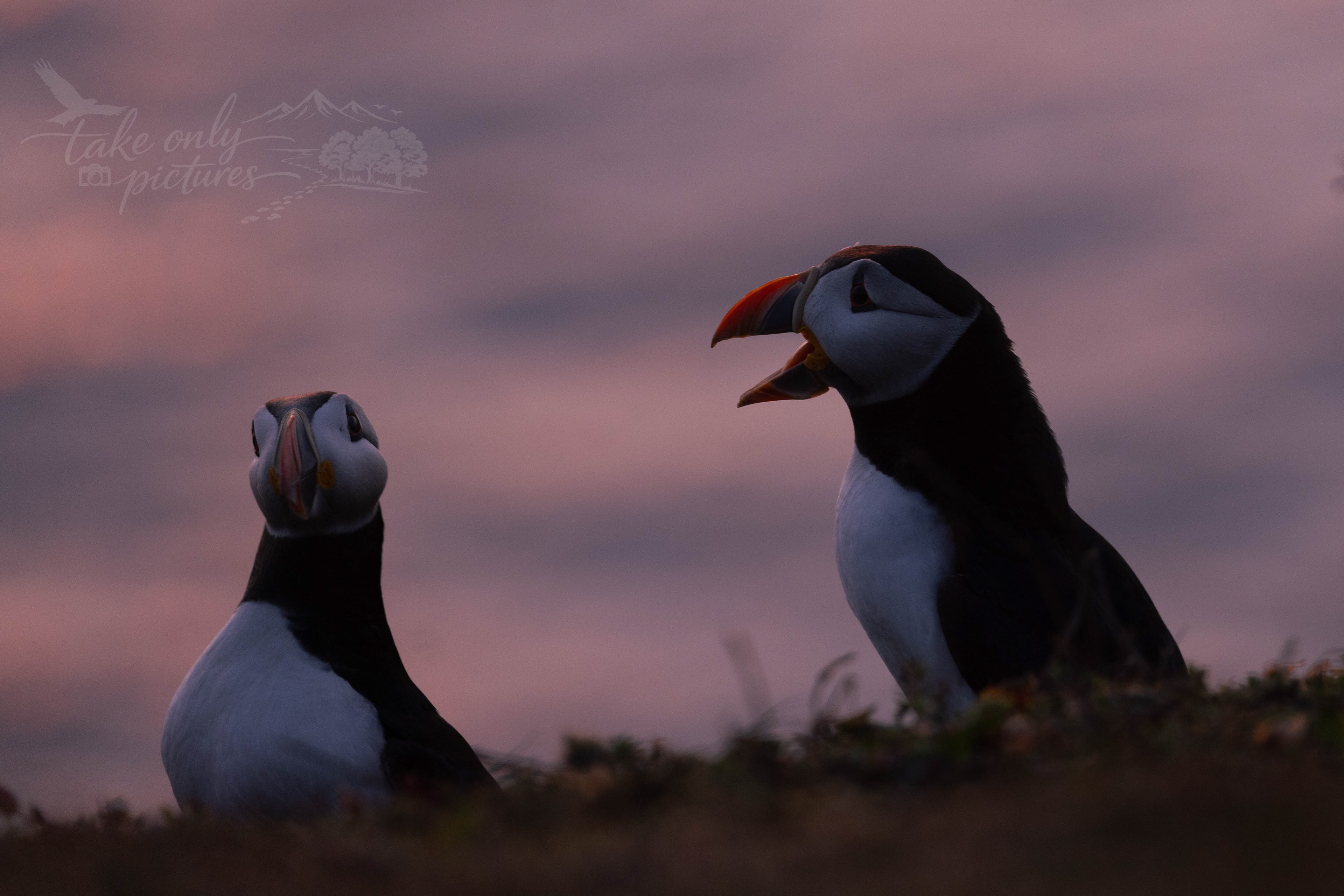
After an early tea, we returned to the island's south coast, firstly to High Cliff, then to Y Wig. The last of the day trippers had left on the 5 pm boat, leaving just three of us where a couple of hours earlier there had seemingly been as many humans as puffins. Now, the birds reclaimed the clifftops, outnumbering us 1000 to 1! By 6 o'clock, the sun's light was beginning to soften and by 7, it was sublime and kept improving until it set behind Wick Ridge. And the birds kept arriving, many with food for their young and many more non-breeding adults simply "hangin' out", chattering in small groups, oblivious of us.
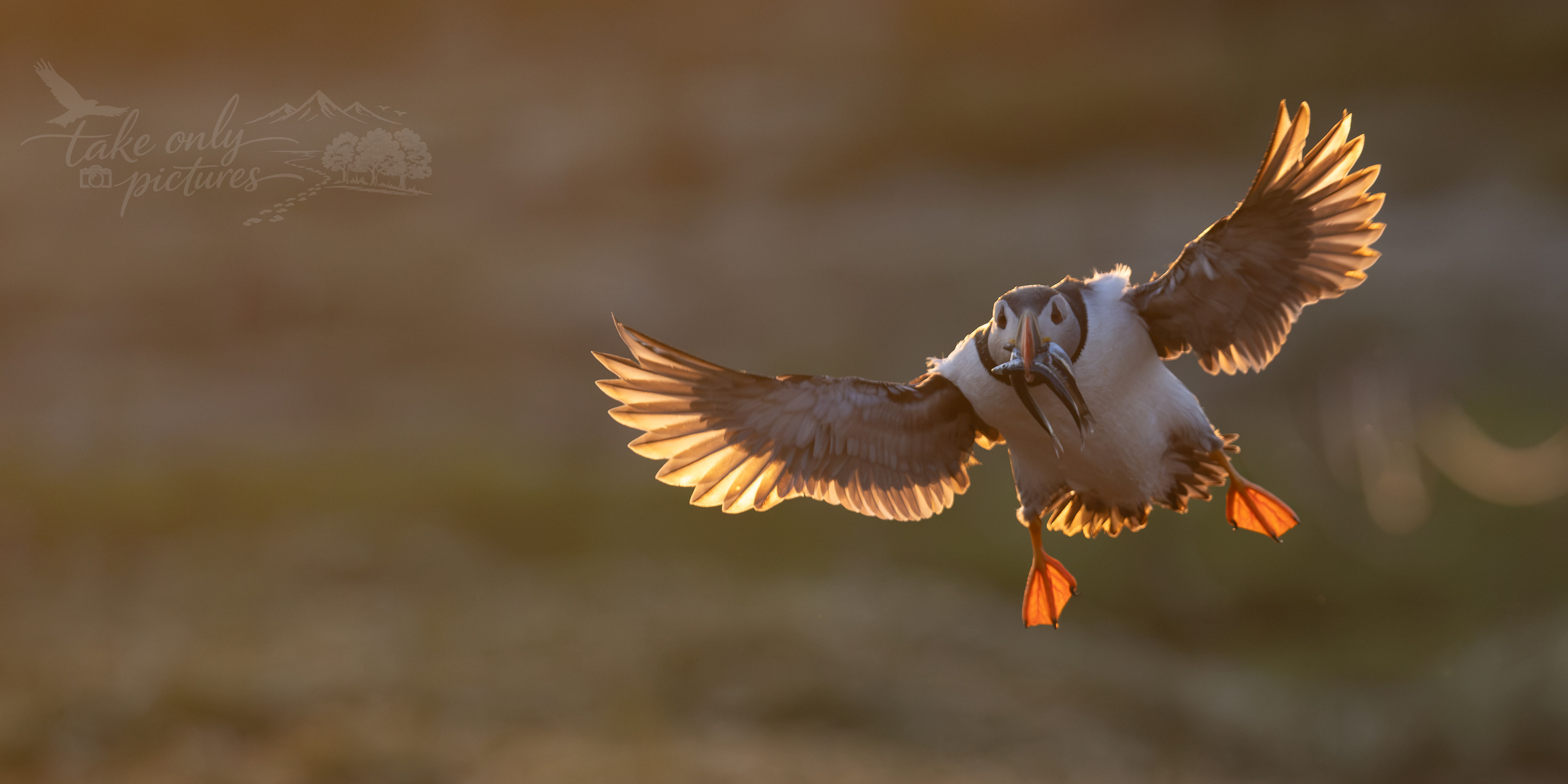
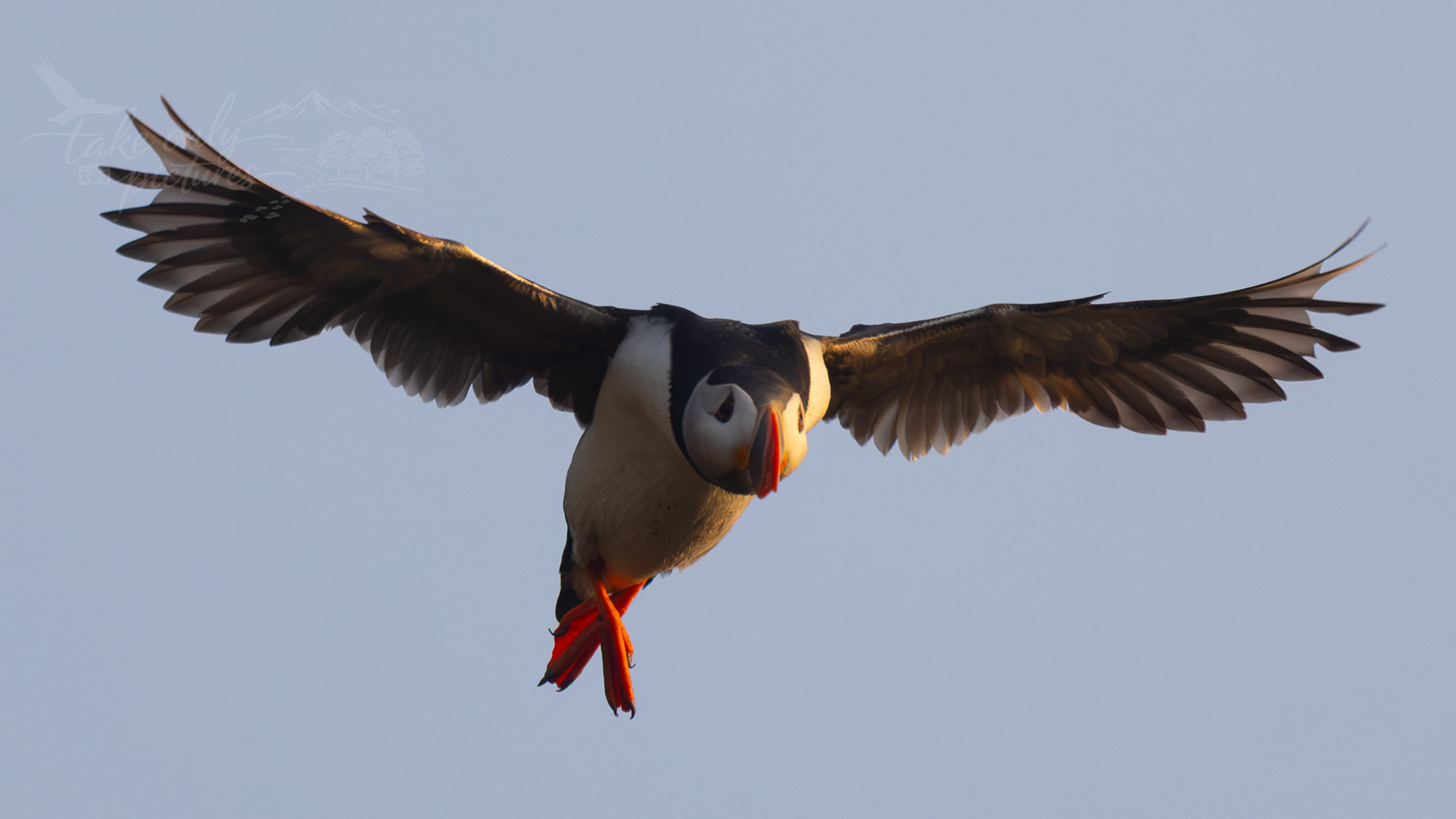
We had 3 hours to take our time, finding the best position to catch birds in flight or take more intimate shots of life in the colony. Puffins fly in fast, really fast, to avoid the attention of the marauding gulls ready to pounce on a slower bird, usually to steal its fish, but occasionally to take and prey on the bird itself. This makes catching them in flight a challenge. I found the best approach was to wait for a bird to pull out of landing and head back out to sea, then follow it as it made a set figure-of-eight loop before making a second or third attempt. If you were lucky, you could follow the bird for a precious couple of seconds and fire off a sequence.
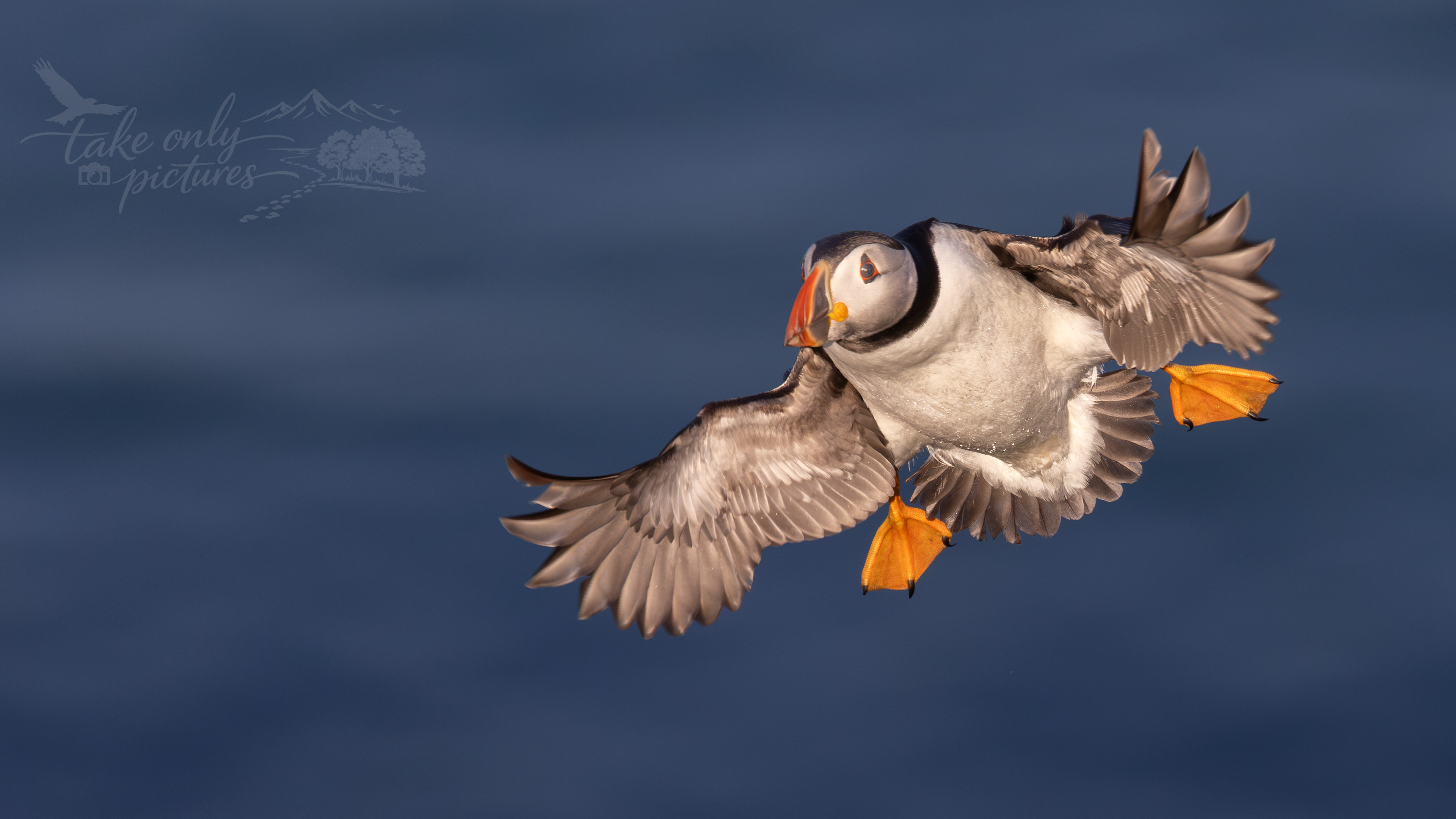
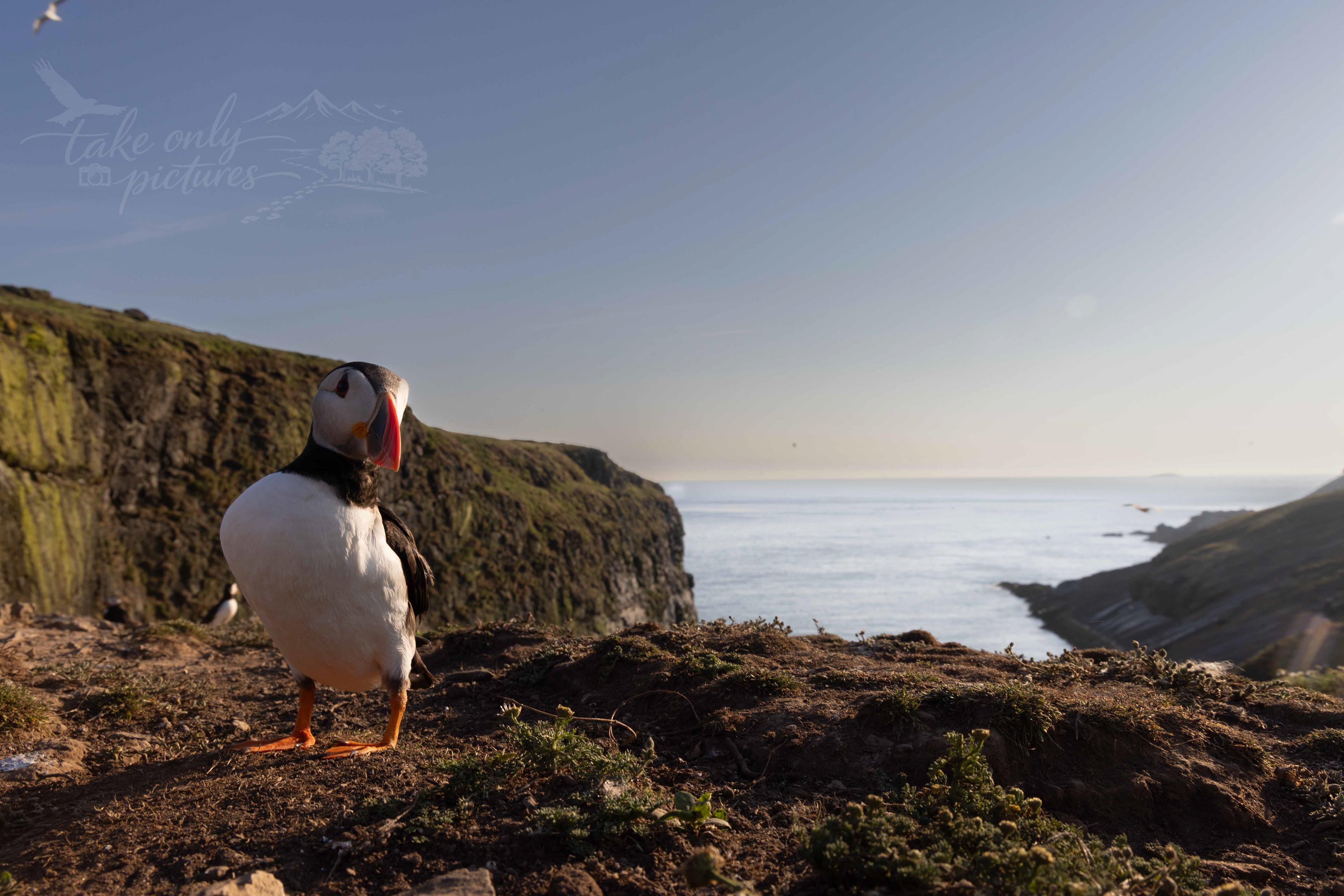
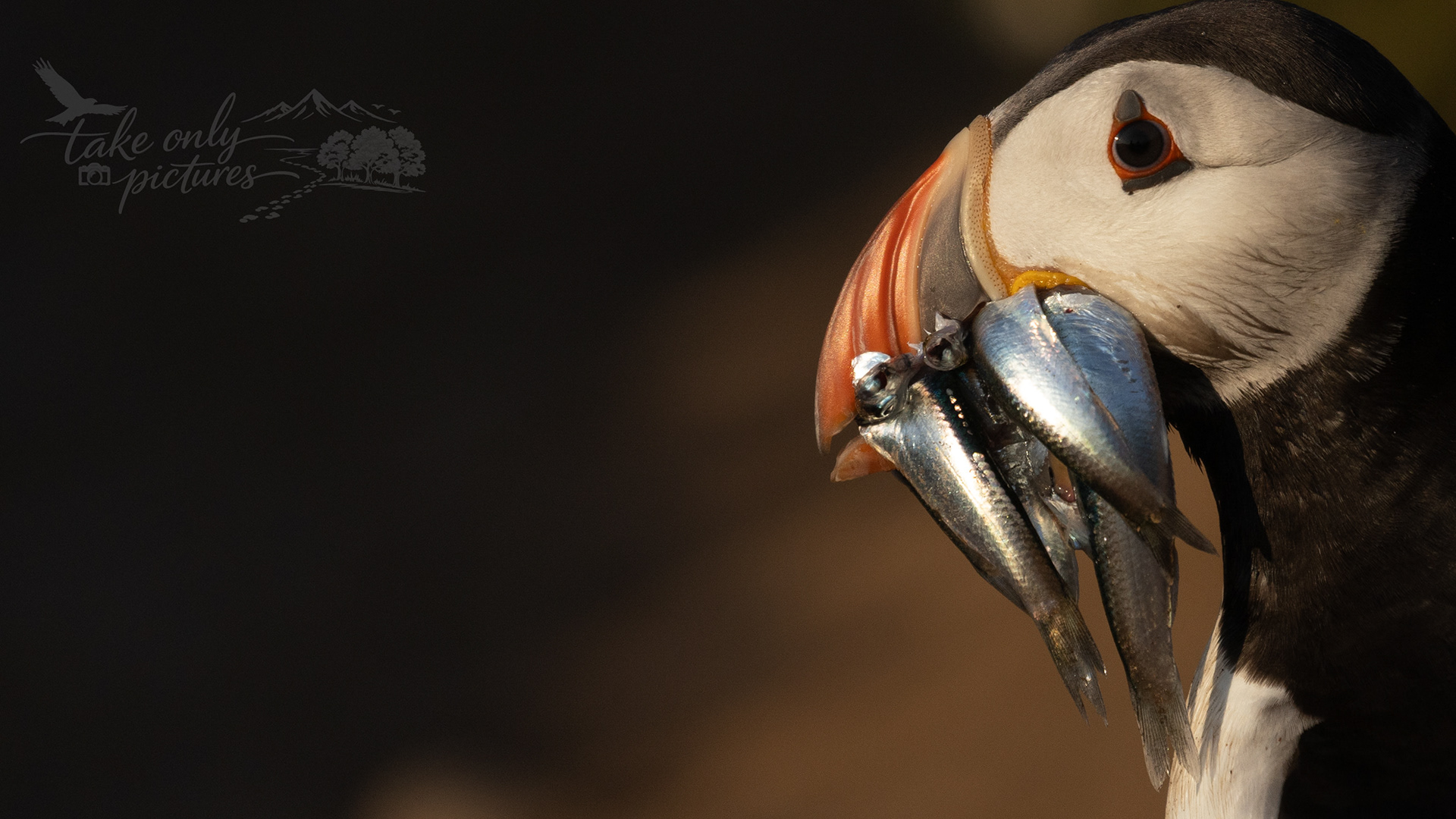
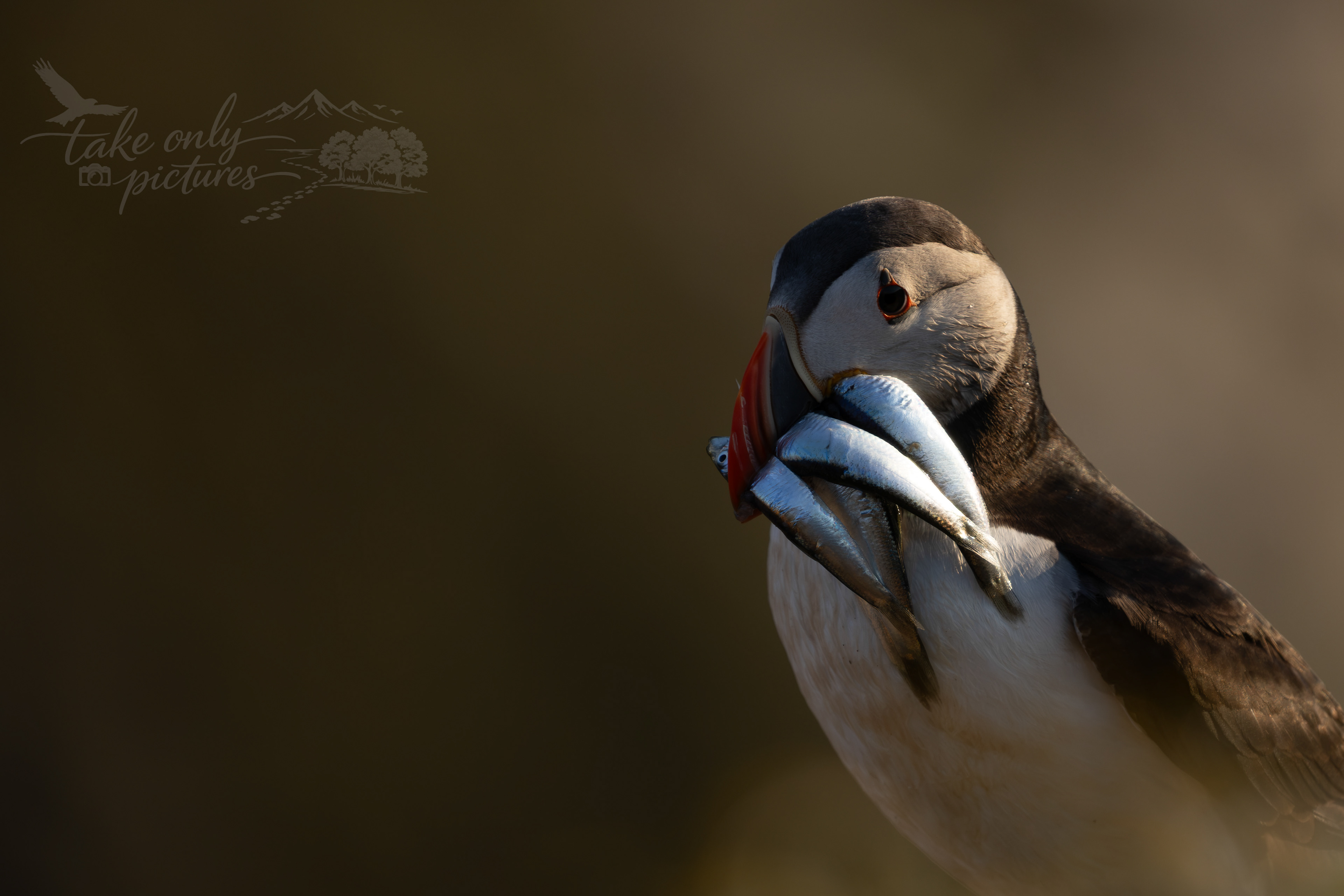
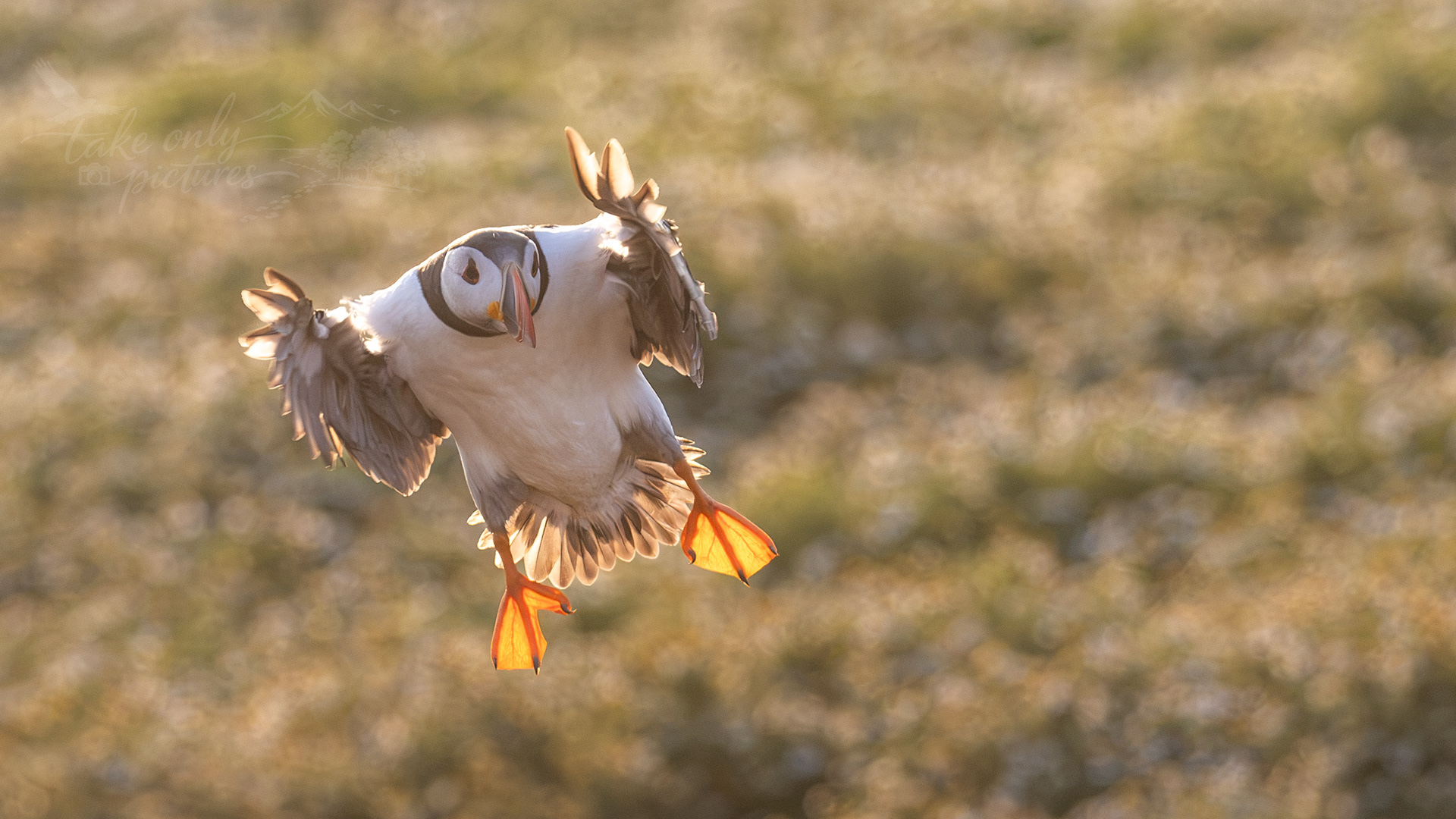
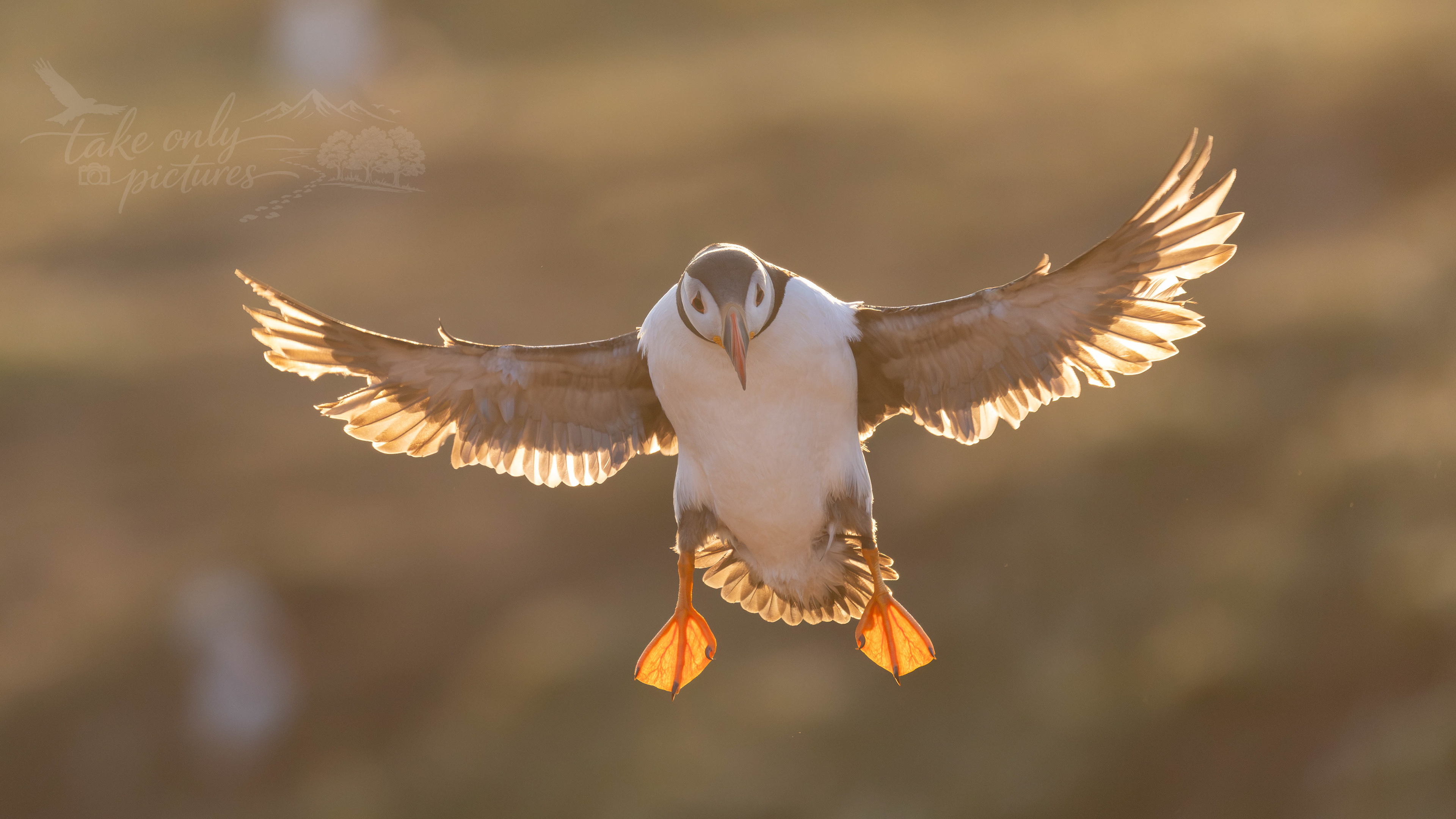
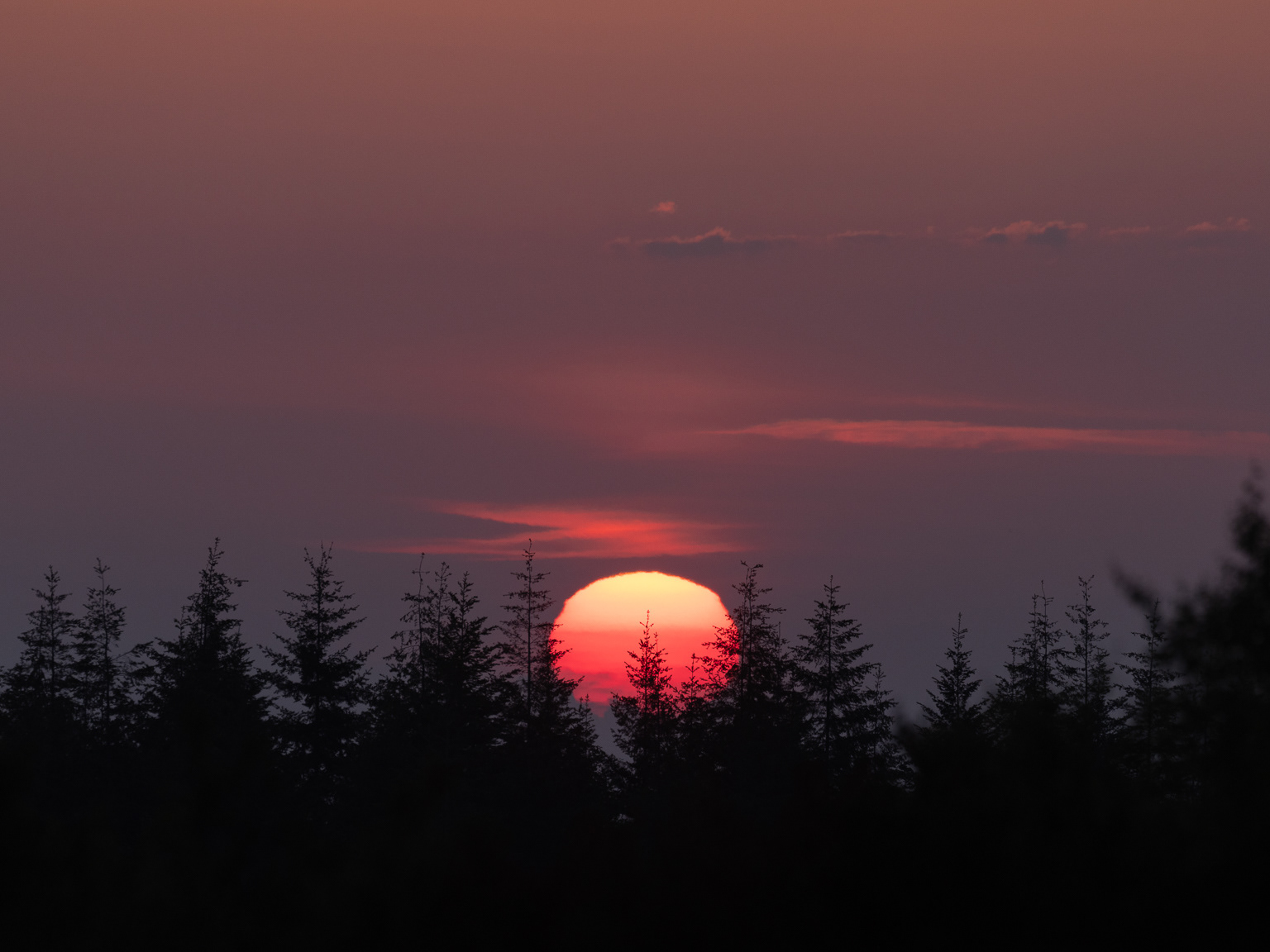
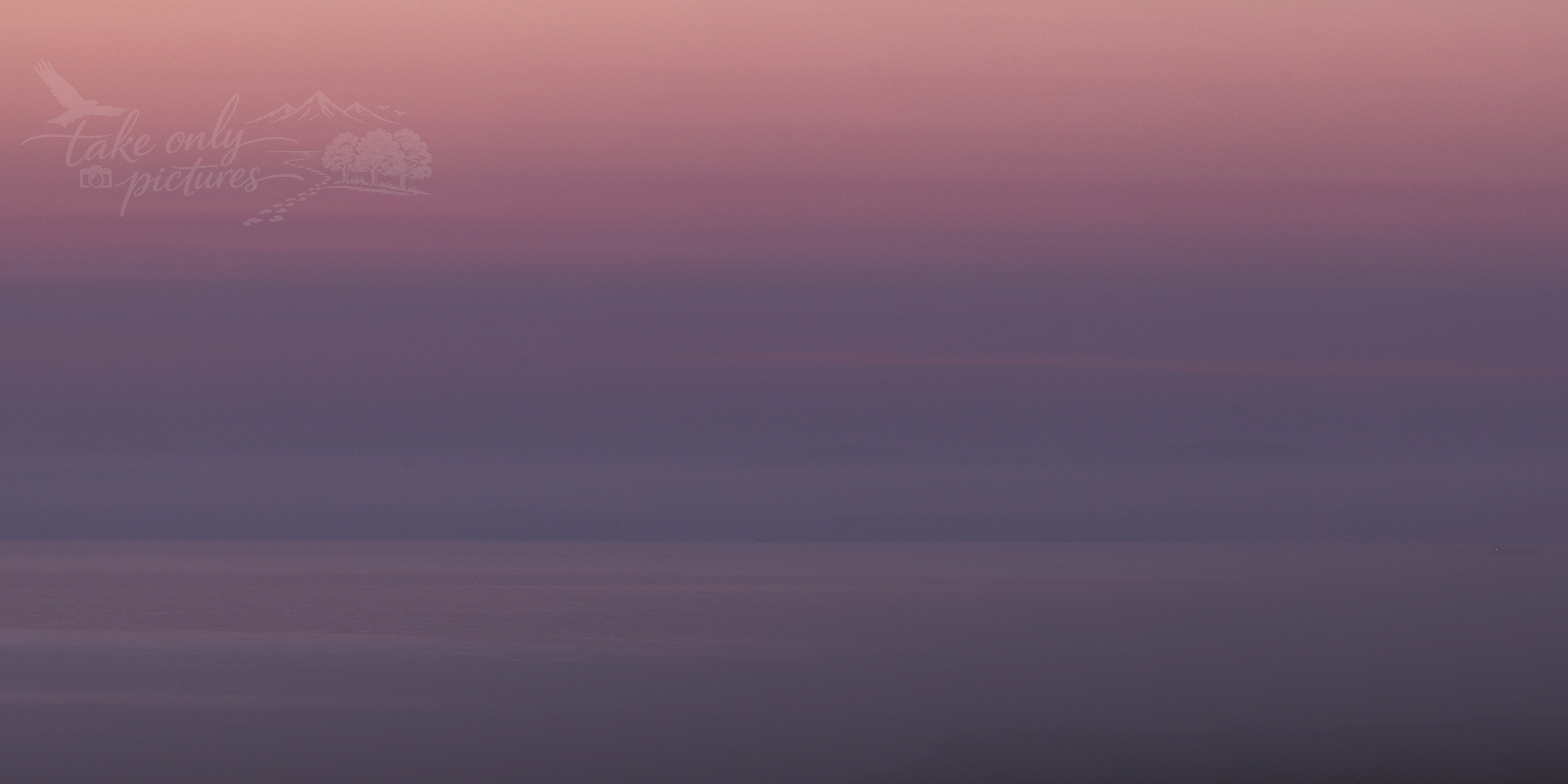
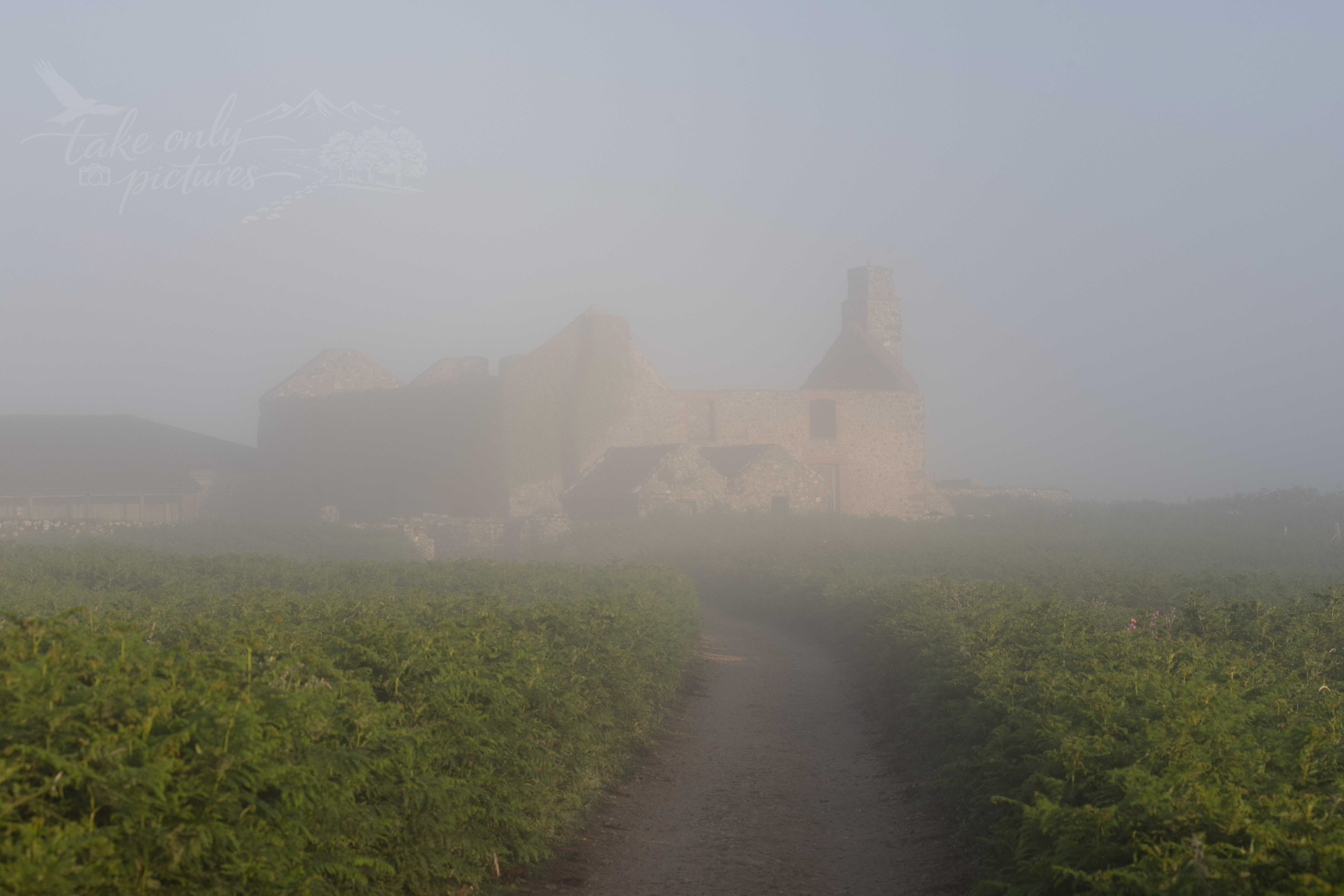
The next morning we woke early... "20 minutes before sunrise" early! But it was worth it! From The Farm, sea and sky to the northwest were a diffuse blend of hues - blues, purples, magentas and pinks - with no distinct horizon between them. And as we walked down to North Haven, a thick sea mist was rolling in, masking Wooltack Point on the mainland. The mist also softened the sounds of the island, but as we started descending the path to the water, we were met with the cacophony of the colony as it woke up and started the daily routine of washing, preening and feeding.
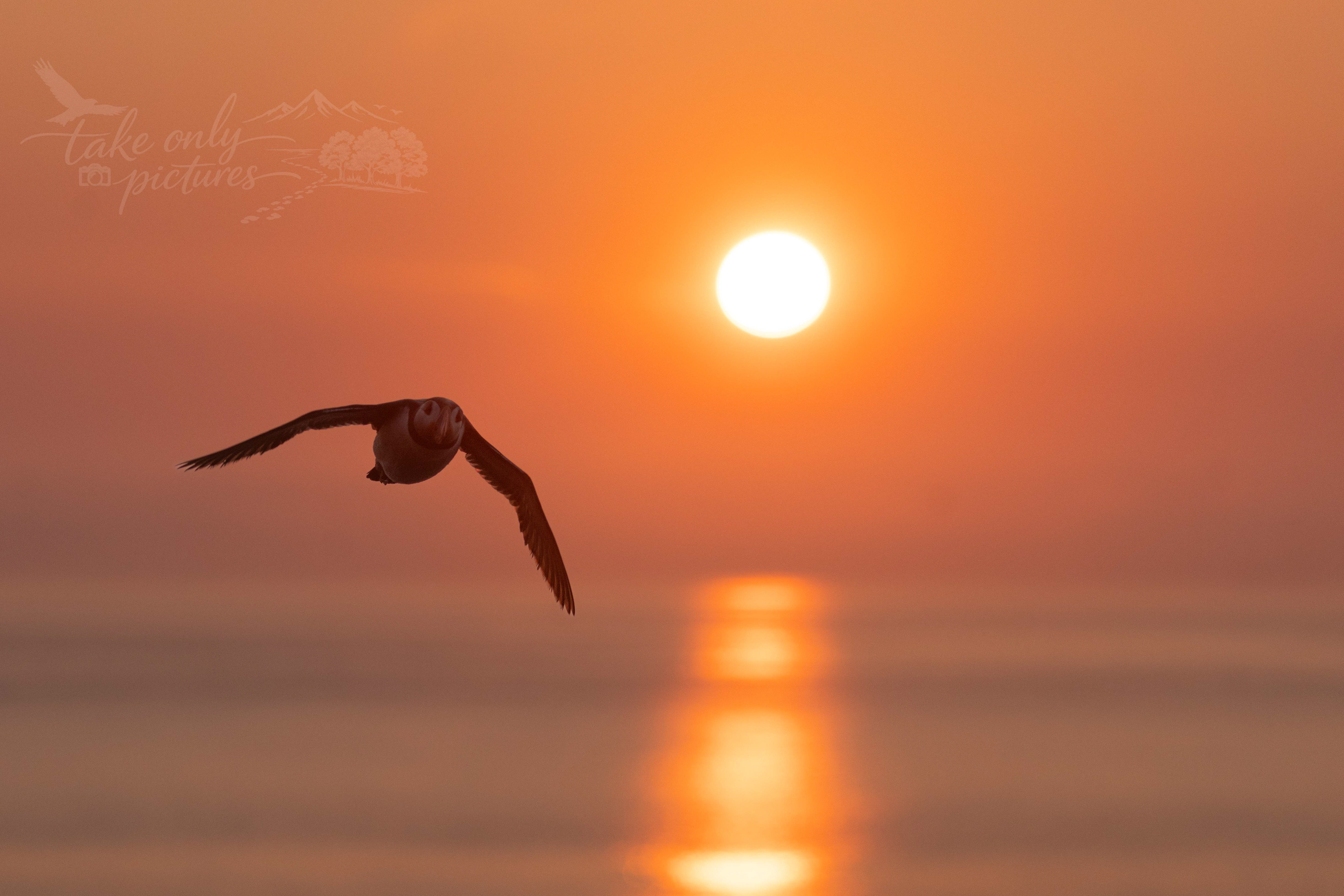
I'd been keen to get some photos of birds on the water, especially in dawn's early light, but it proved impossible - the birds never came in close enough, but more importantly, it wasn't possible (without going for a dip) to get the camera low enough for a water level shot (and being pedantic, the water was just not smooth enough for what I was after). So, I contented myself with more in-flight shots, of birds flying along the headland, silhouetted against the sum.
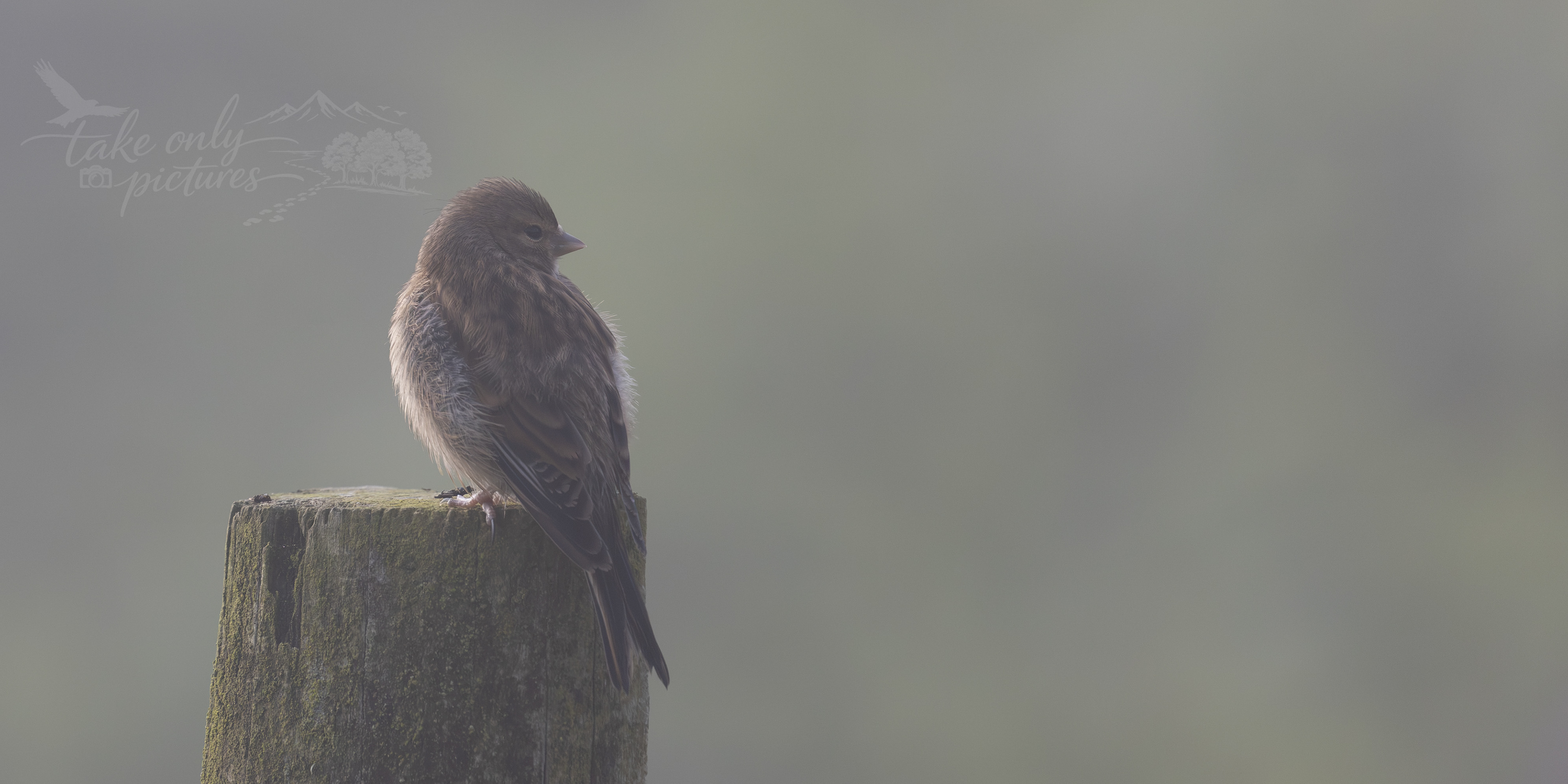
The early morning mist that had obscured the mainland now settled on the island, removing a lot of the colour from the land. We walked along the north coast to Bull Hole, hoping to catch another sighting of the SEO. But, while linnets, pipits and skylarks were in abundance, the owls remained elusive.
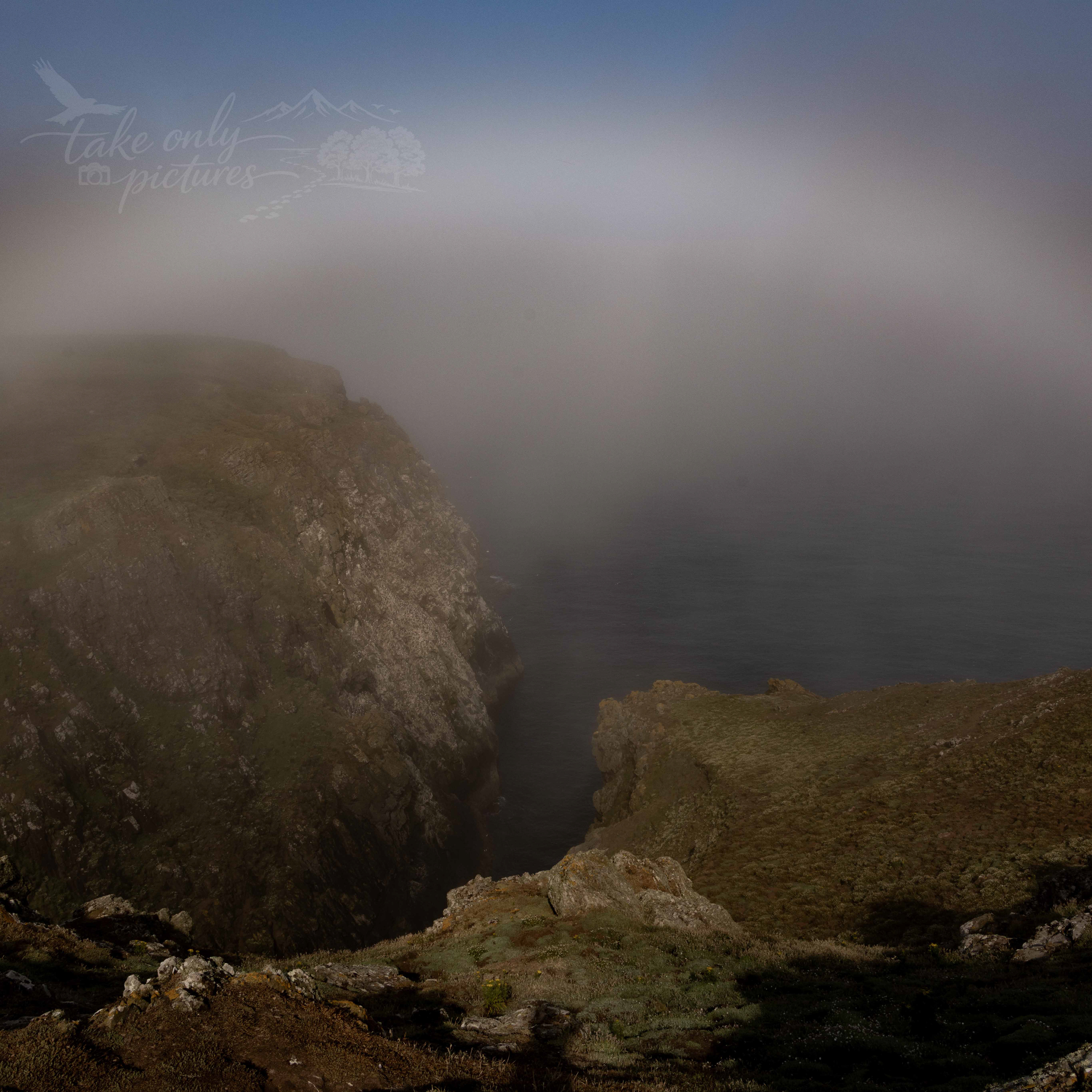
We sat and watched or rather listened to the guillemot colony at Bull Hole for an hour or more. The colony was shrouded in mist, rendering it invisible, but it was no less noisy than usual, with birds flying in and out, calling to their partners and chicks. In between the curtains of mist, we could make out the adult birds on the rocky ledges and, in amongst them, the juveniles or "jumplings". Where other birds fledge, guillemots jump, leaving the safety of their ledge and launching themselves in a controlled fall to the sea and their waiting parent, usually the male. From there they swim out to join a growing parent/jumpling flotilla and spend the next 2 to 3 years at sea. Our "scouring" paid off and a sole distant black ball of downy feathers dropped down the cliff to start the next phase of its long (20+ year) life.
That evening, we had the choice of returning to Y Wig or walking over to the north coast again and the opportunity to photograph puffins with the sun setting behind. But, whatever we decide, we wanted first to visit the wardens house to contribute our sightings to the daily bird count. This isn't a detailed record of every bird seen and counted, but provides a broad picture of what visitors and volunteers have seen, where and in what relative abundance. In particular, it records any unusual or rare sightings. And not just birds, but terrestrial and marine mammals, reptiles, insects and other wildlife. Having been carried out every day for the last four decades, it is a comprehensive data set.
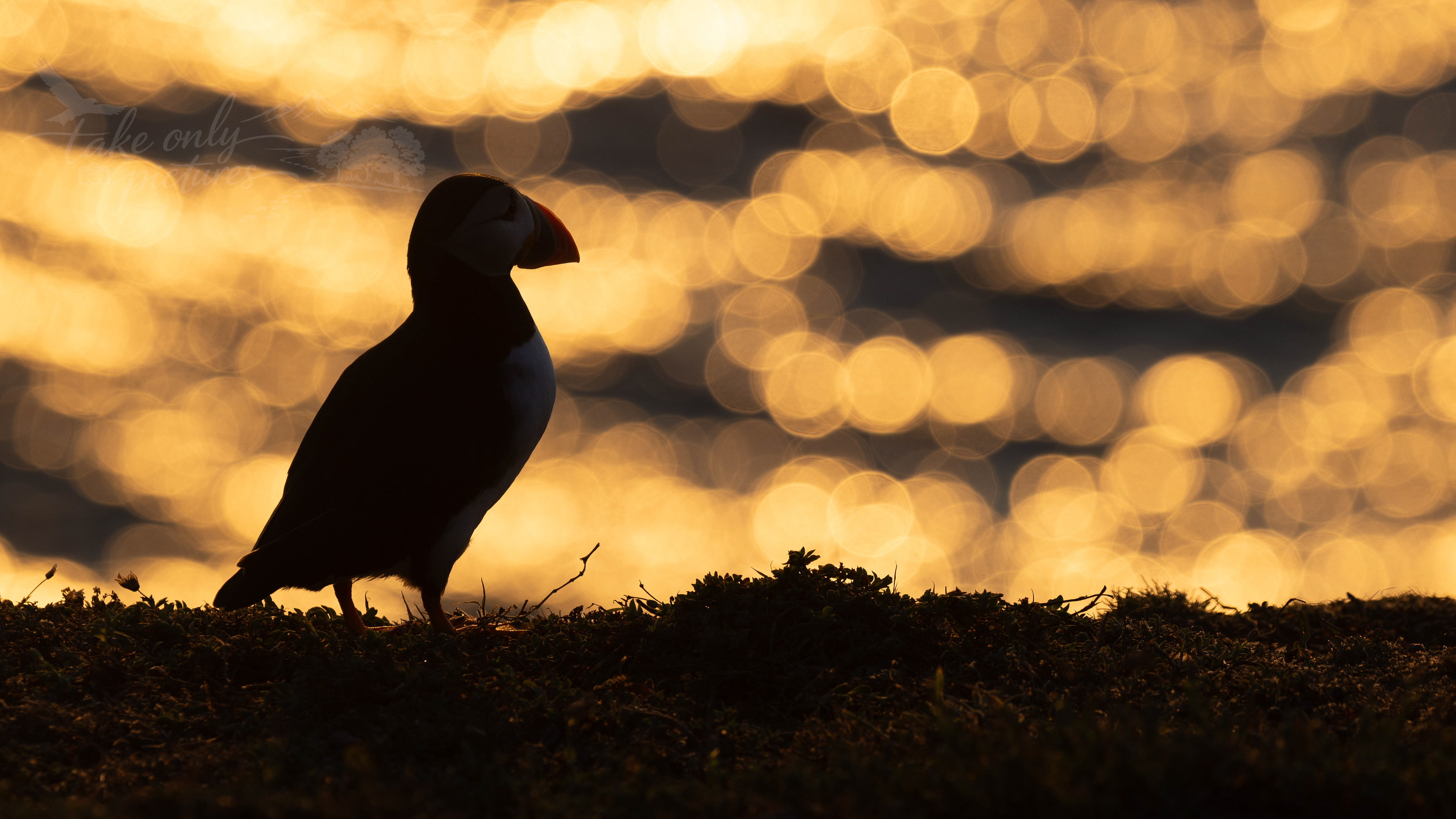
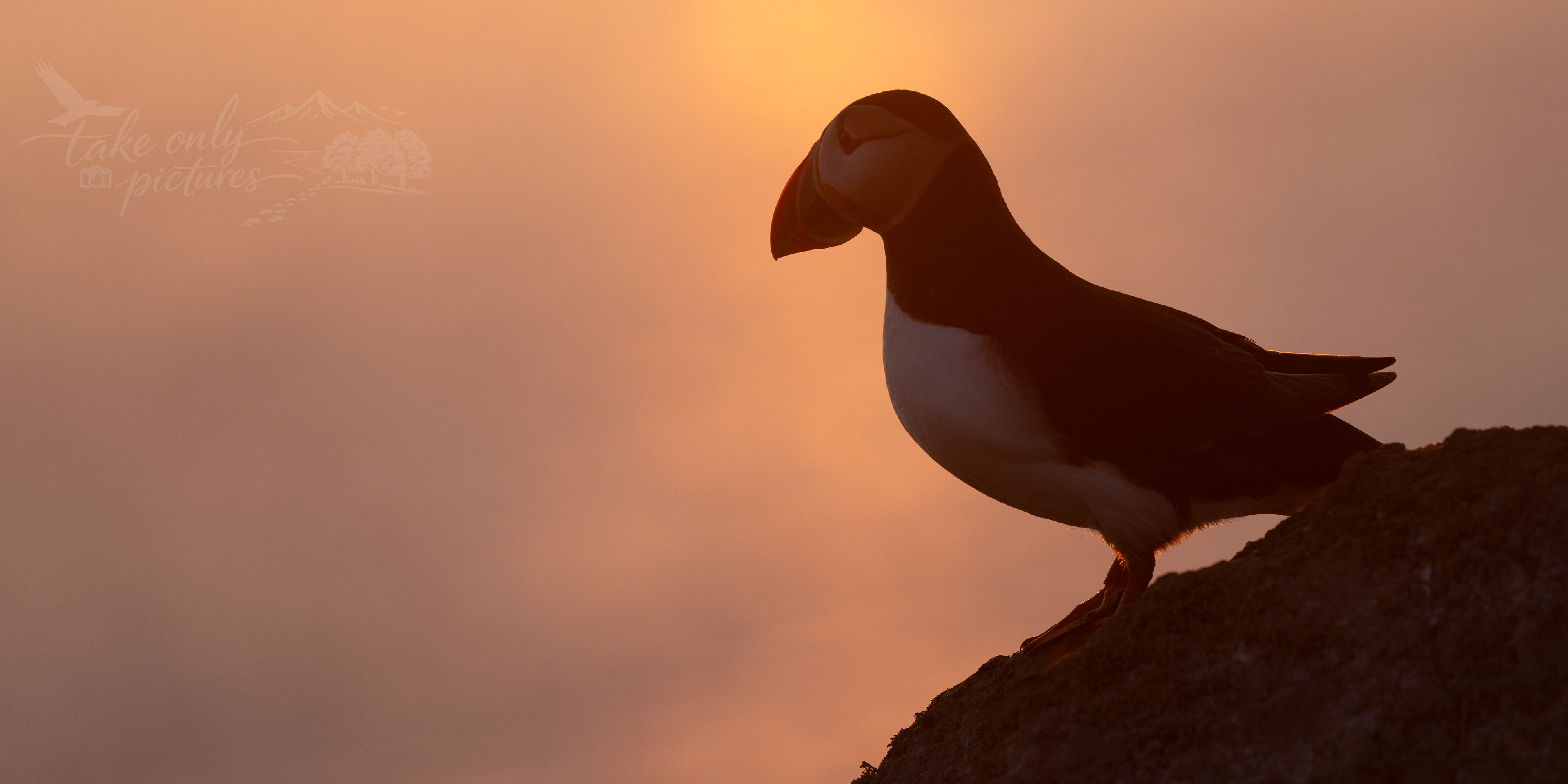
We left the warden's house at 845 and marched the 2 km across the island for sunset at 9.30. We only had about 15 minutes of light before the sun sank below the horizon, but what light it was! With clear skies, the sun reflected a solid column of hot orange light across the sea to the island. Although not a significant puffing colony during the day, tens of non-breeding now dotted the cliff top, talking and arguing among themselves, occasionally escalating into a physical confrontation.
I walked among them, looking for birds perched on rocks, silhouetted against the sea, then by manoeuvring to get the sun's light behind them, was able to take some of my favourite puffin shots from our stay, if not ever.
We awoke early again, hoping for another great sunrise, but thick mist shrouded the island. Having had several early mornings and late nights, I was secretly relieved to have the extra sleep!
And so, it was time to leave! We packed our bags, tidied what we could and walked slowly down to North Haven and the boat. Birds were everywhere, perhaps n greater numbers than we had seen in the previous 48 hours, flying around the haven in an enormous whirlpool. Some would land, others take off and, when a patrolling gull got a bit too close, perhaps a hundred birds would erupt from the cliff and join the fray. While the collective noun for a group of puffins is a circus (with them being the clowns), perhaps a maelstrom is more fitting.
With that, we boarded the boat, sad to be leaving, but happy to have been.
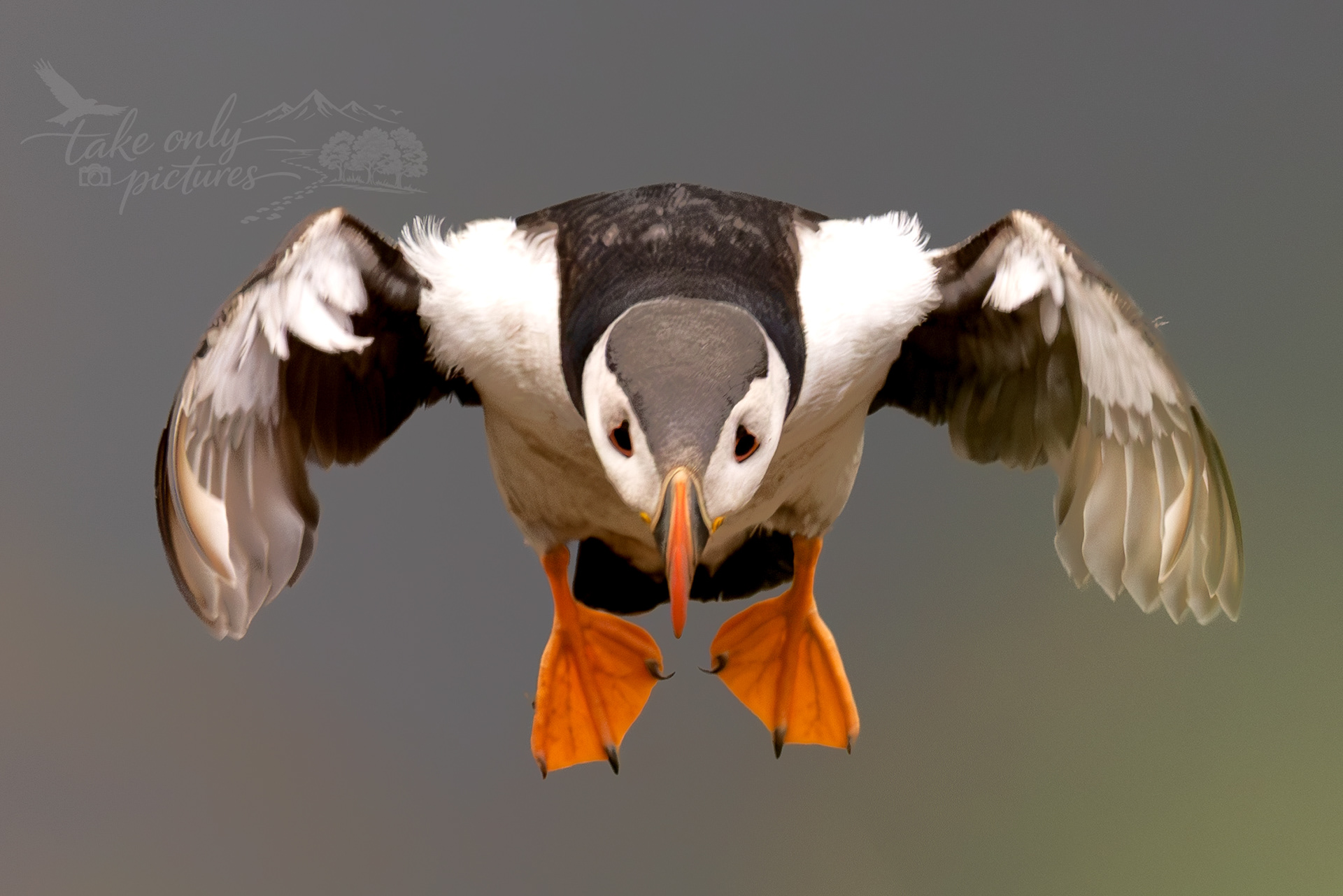
Always time for one more photo!