I hadn't intended to head out so early, but the previous day's heat woke me at around 3.30 and left me wondering about options for sunrise. An hour later saw me driving the 10 km up the Coleford Road to the Gloucestershire Wildlife Trust reserve at Poor's Allotment. It was half-light by the time I arrived, with a magenta glow of the rising sun on the northwest horizon and a light breeze keeping the heat in check.
Poor's Allotment is a mosaic of heathland, grassland and scrub, with a spring-fed pool in one corner. At this time of year (late May), the gorse and birch are alive with calls of greater whitethroat, stonechat and linnets, which I was hoping to photograph in the early sunlight.
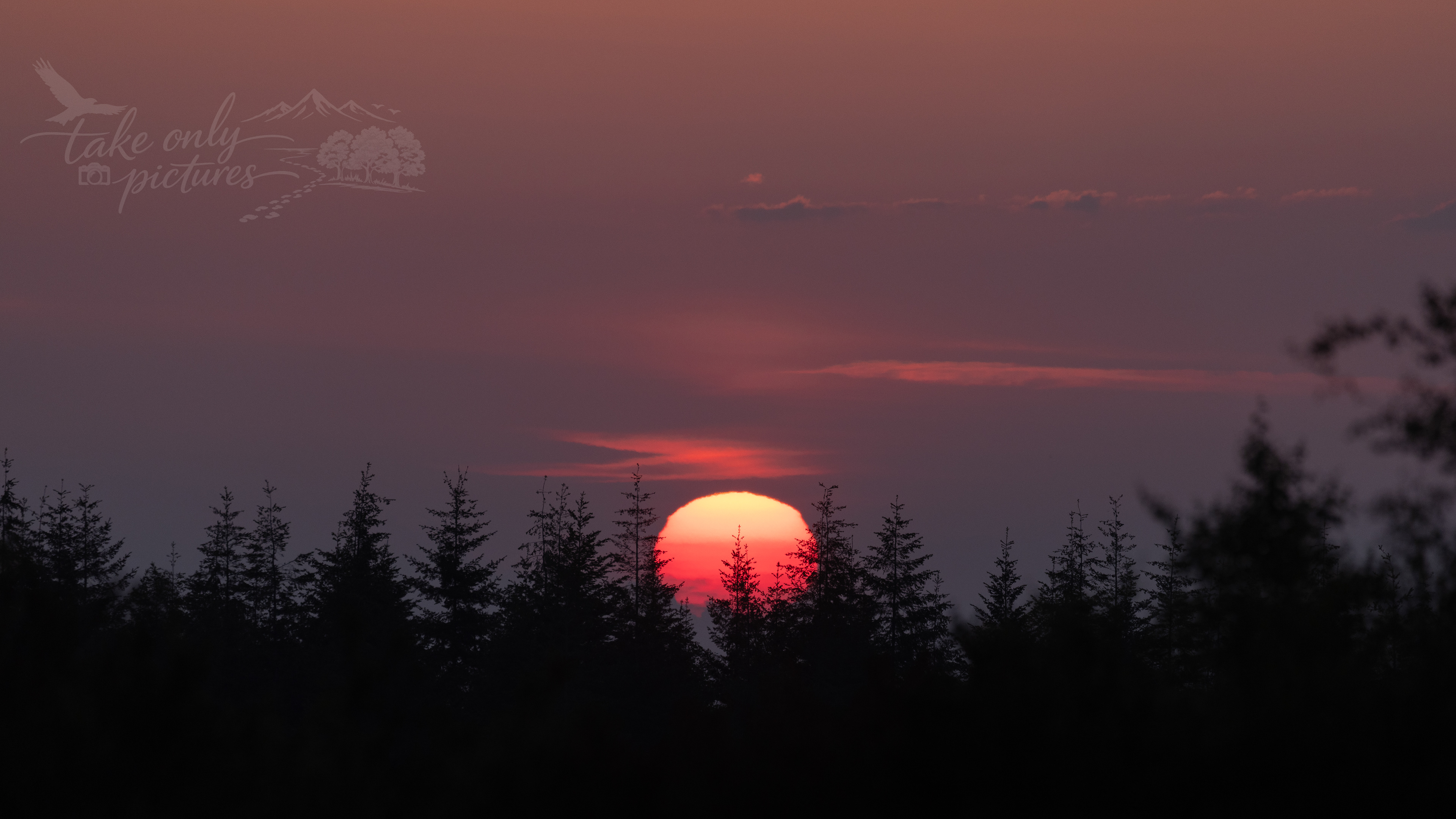
I spent half an hour or so scouting possible subjects, as the sun started to rise. And what a sunrise it was - a blood-orange ball lit up the sky across the Severn, although try as I might, there was no opportunity to catch it reflecting in the estuary.
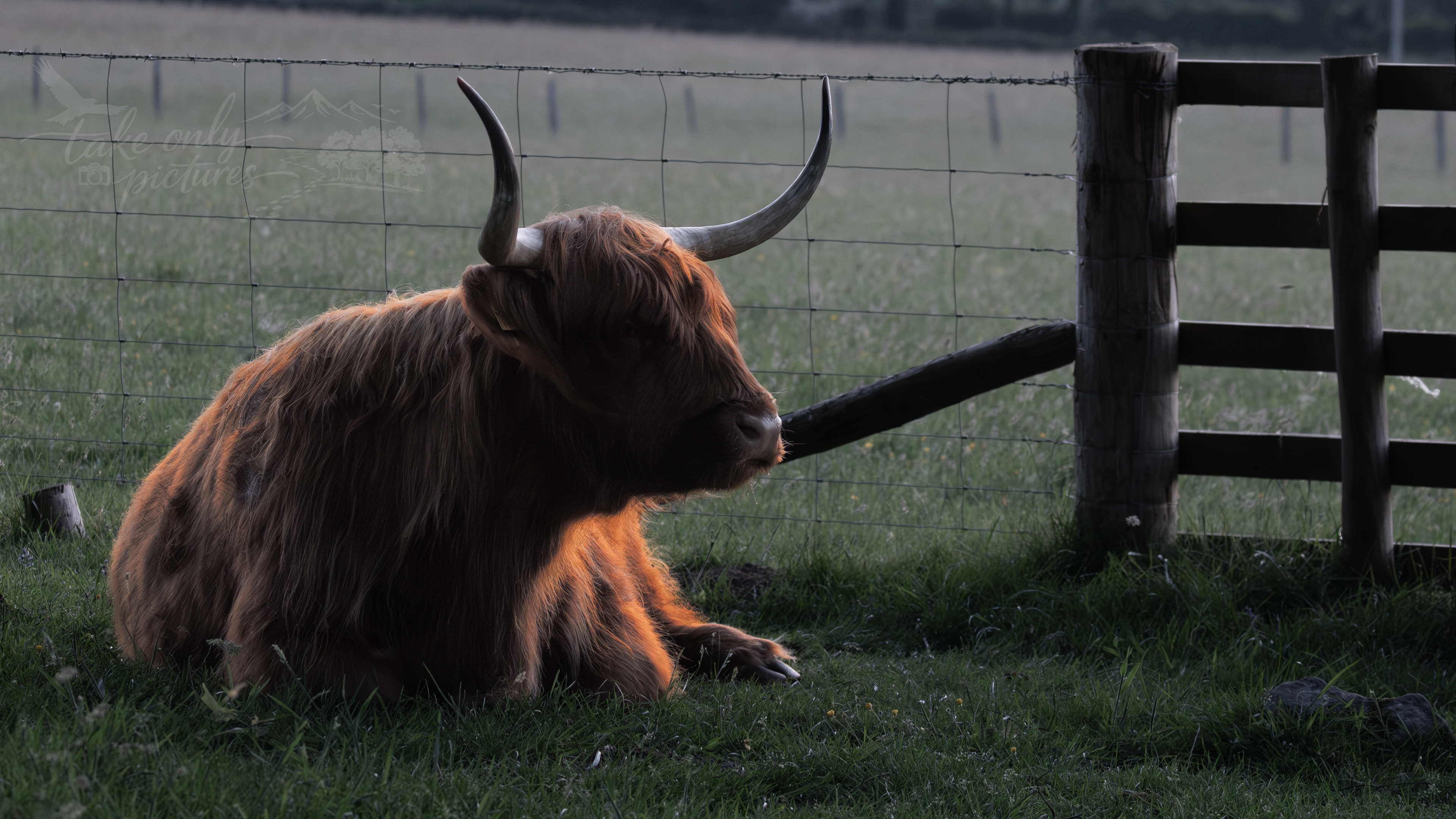
At the far end of the reserve, three shaggy highland cattle, "employed" by the Trust to help with vegetation management, were contemplating starting their day.
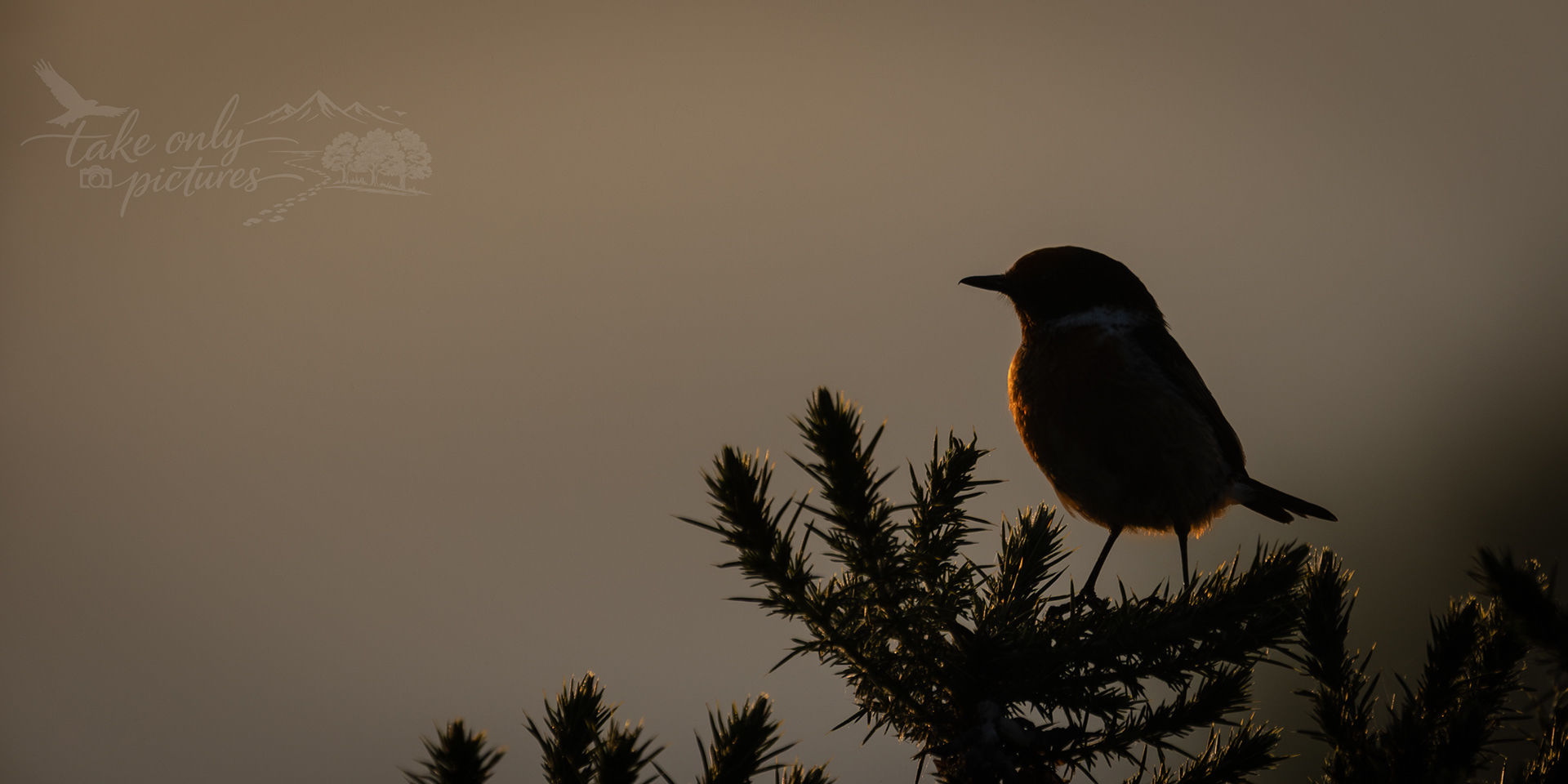
Although there were birds everywhere, it was the stonechats, as usual, that provided the best compositions. As the sun rose above the treeline, it raked across the top of the gorse and bracken, turning the tops of the plants a beautiful golden yellow.
Stonechat pairs will typically flit from one perch to another around their territory, often returning to one of several favoured vantage points, "chatting" to each other as they go. It was just a case of finding a comfortable patch and focusing where they were likely to perch.
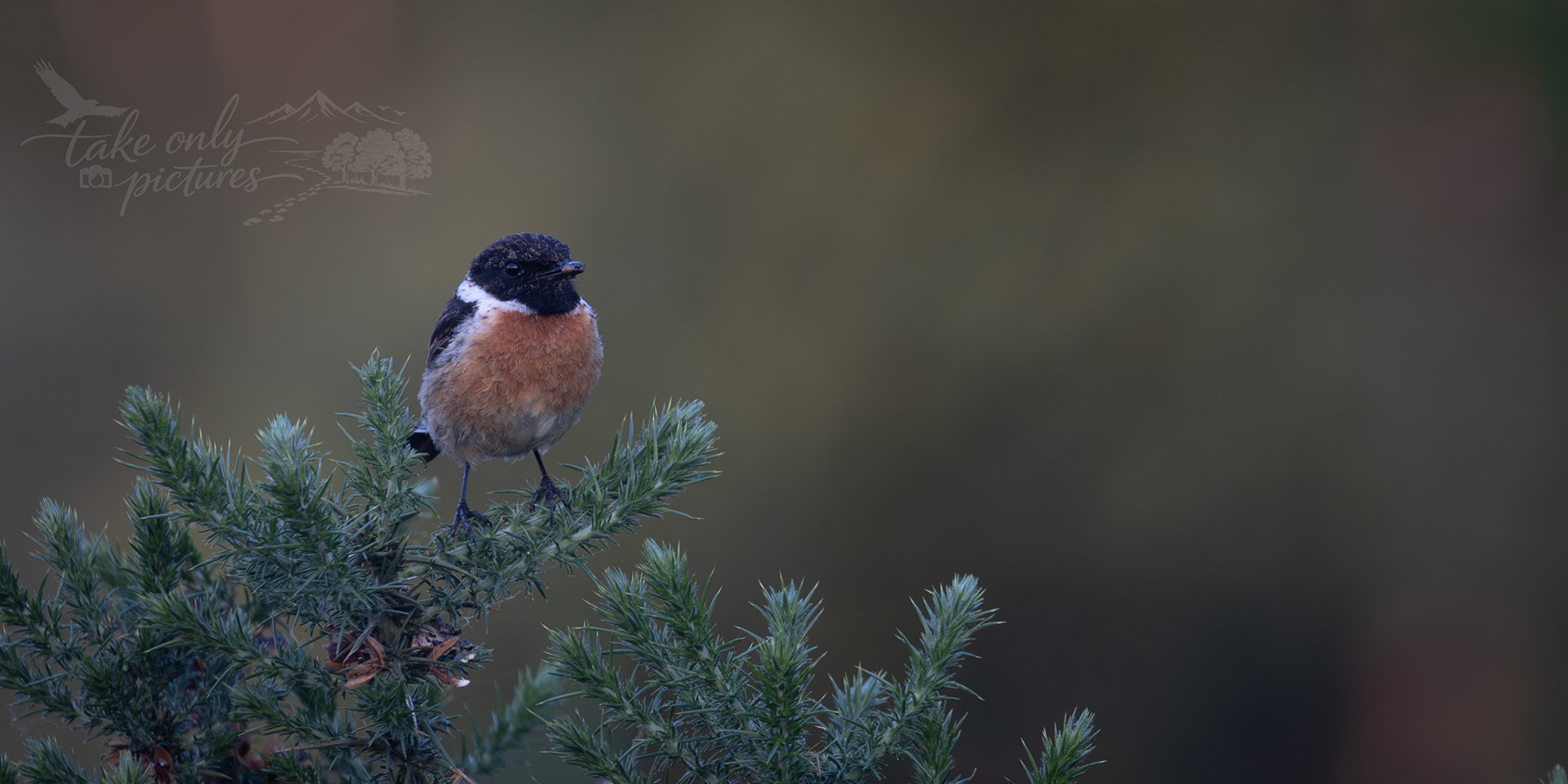
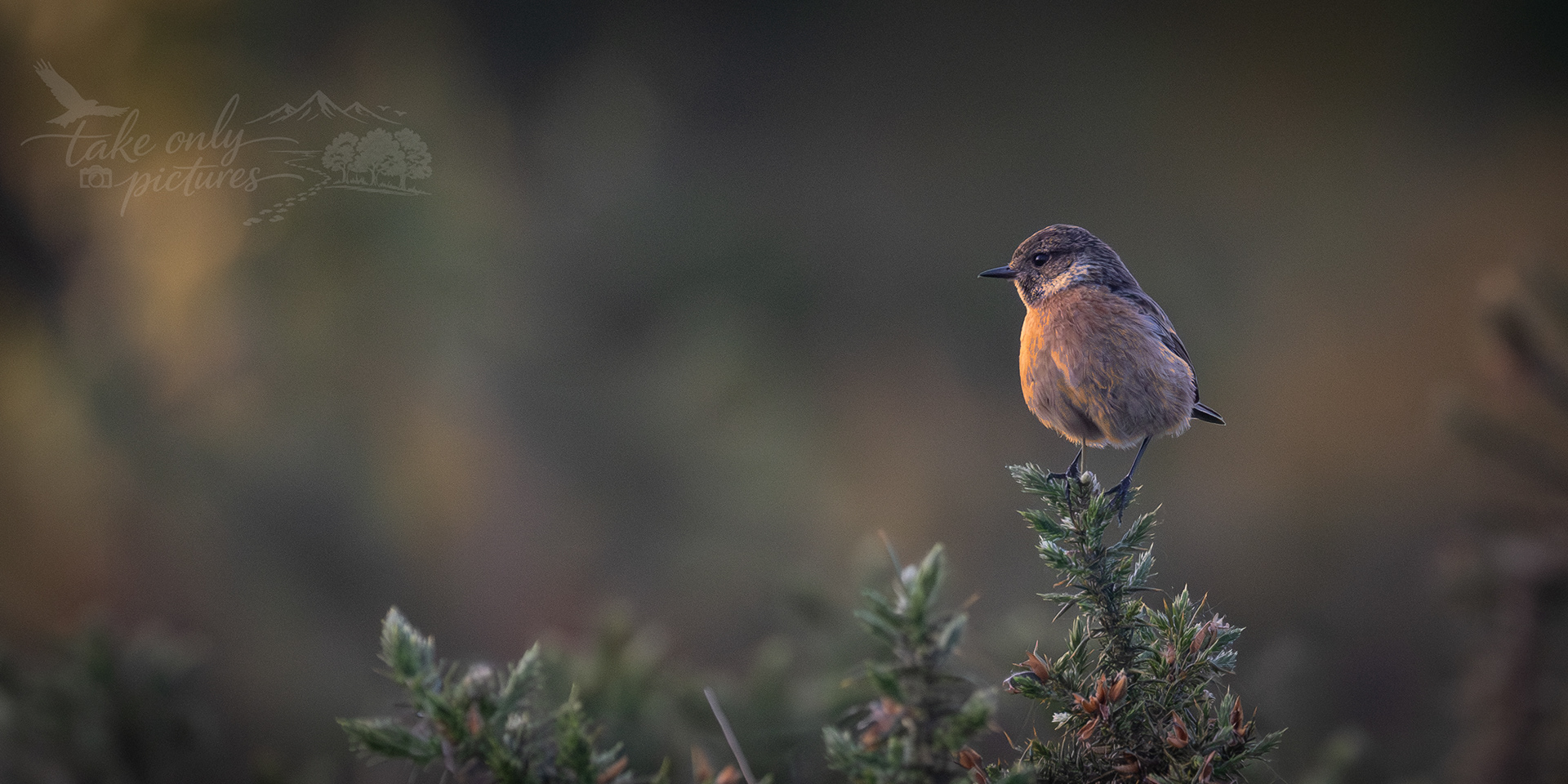
Stonechats are abundant and widely distributed in Wales (and the UK as a whole). But, this wasn't always the case. Severe winter weather and habitat fragmentation was thought to be the main factors behind a substantial contraction in their numbers and range in the second half of the twentieth century. Fortunately, populations have rebounded in recent decades and, with 68,000 breeding pairs estimated from the last survey (2016), the species has now moved from the amber to green list (UK Birds of Conservation Concern) - see British Trust for Ornithology.
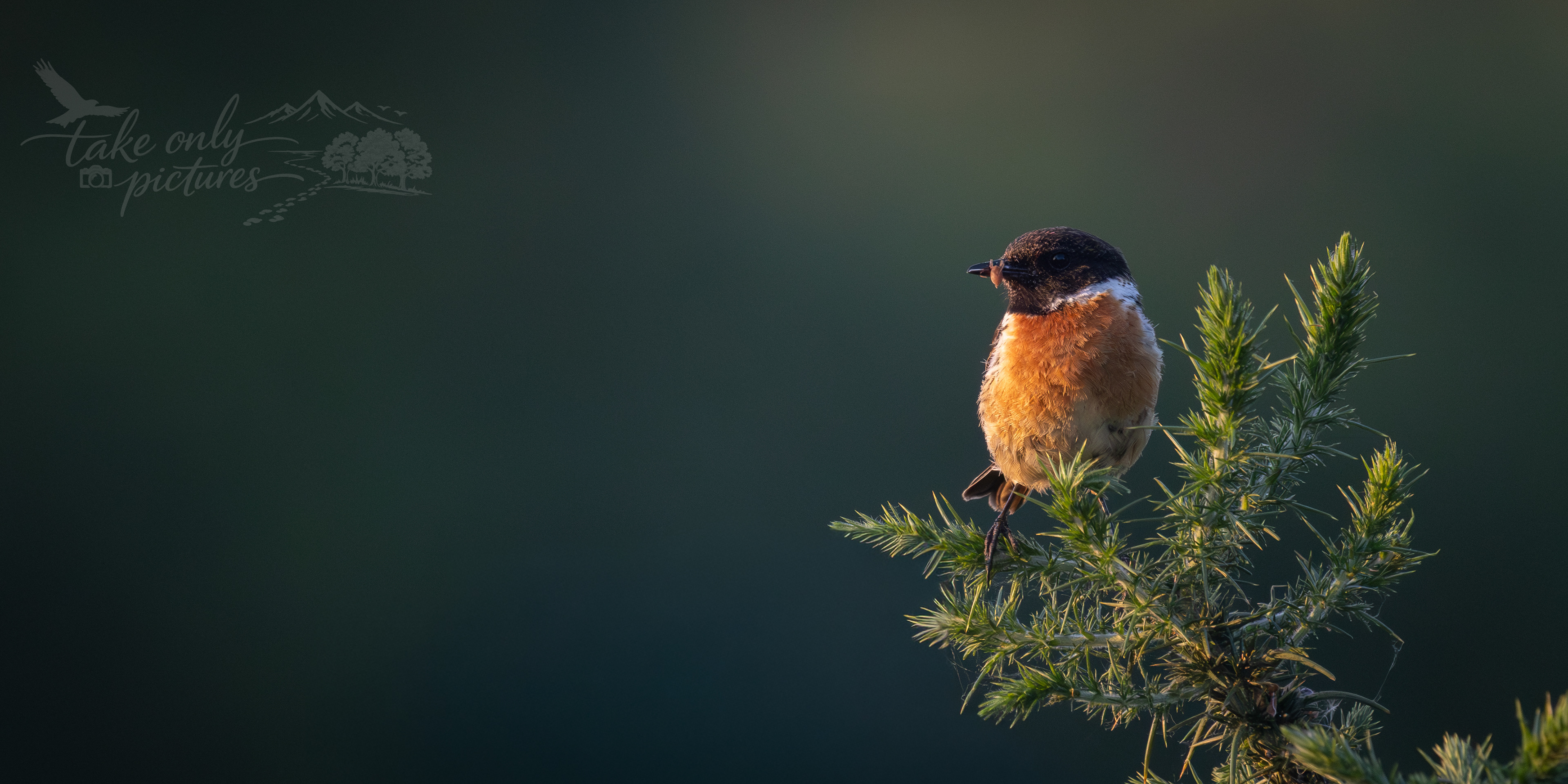
Stonechats' favoured habitats are coastal areas and heath/grassland. Poor's Allotment certainly falls into the latter, with thick stands of gorse, interspersed with heather and (increasingly) bracken, and it was in amongst these these that I was able to position myself to make the most of "golden hour".