Although it's been on our list of places to visit for quite a few years, Bempton Cliffs has always seemed just a bit too far. But, having cancelled a trip to mid-Wales, we were hankering for some time away in the van, so we bit the bullet and headed northeast.
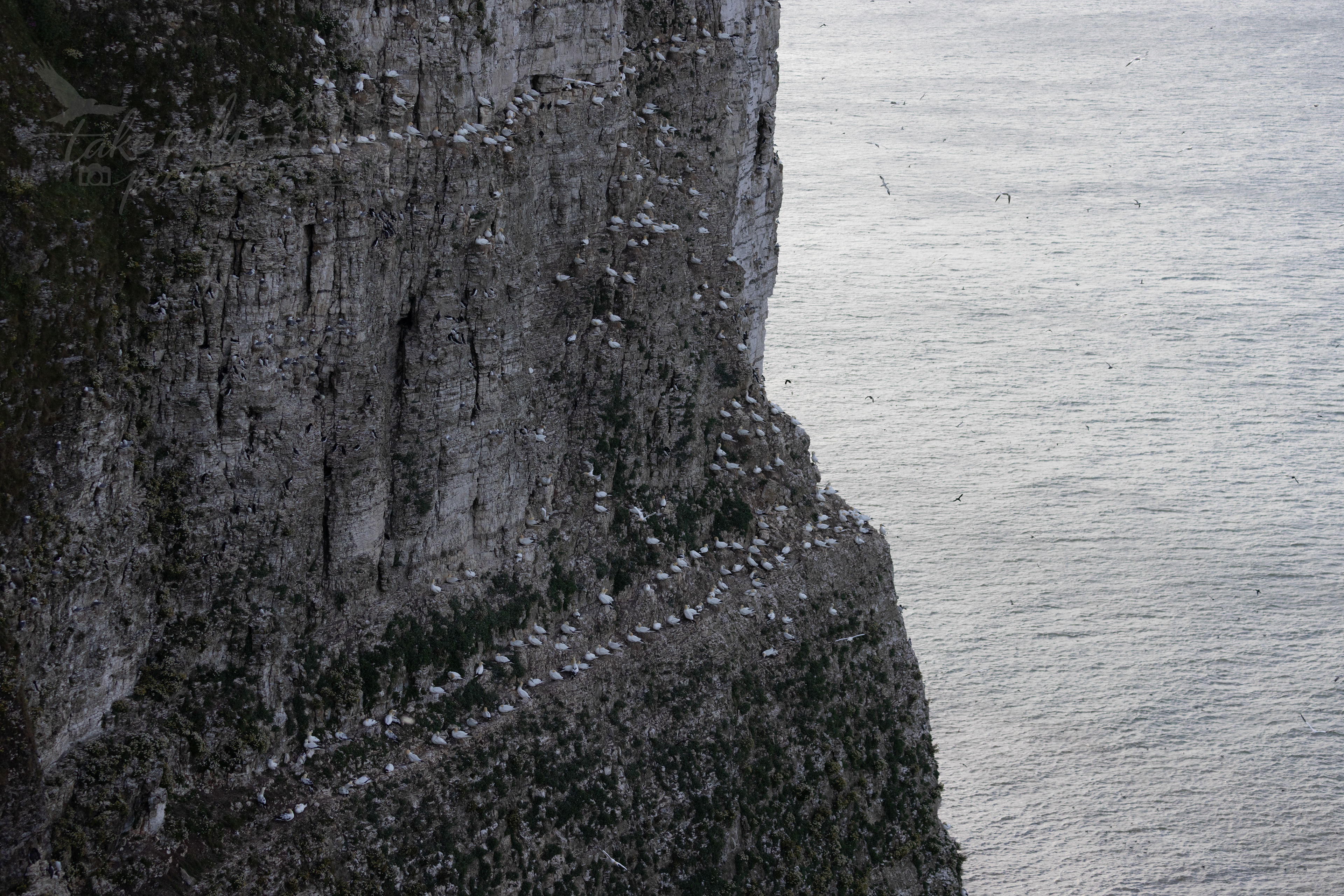
After a 4 1/2 hour drive and staying ahead of the early July heatwave, we arrived at Wold Farm. While the south and west of the country baked in 30+ degC, the Yorkshire coast was a much more civilised 10 degrees cooler. We parked the van and headed straight out to the cliffs to orientate ourselves. Wow! What a place! Although the setting is not as dramatic nor the environment as wild as the other gannet colonies we've visited on Shetland, Bempton more than made up in terms of variety - gannets, guilimots and razorbills in equal numbers - and proximity - you could almost reach out and touch them. But the one thing it had in common with Hermaness and Noss... the ubiquitous trimethylamine smell and the "back-of-the-throat" taste that comes with half a million fish-eating birds!
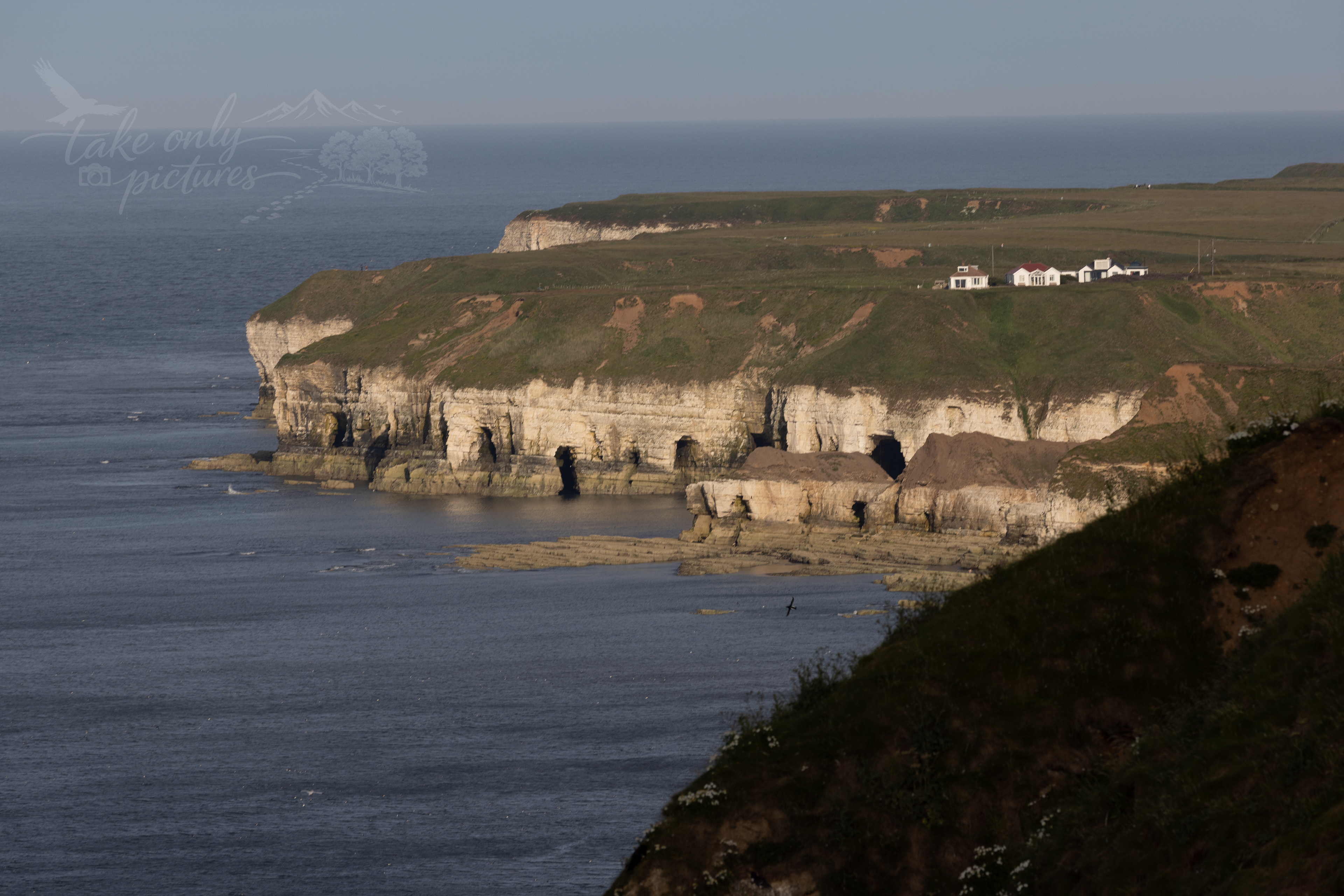
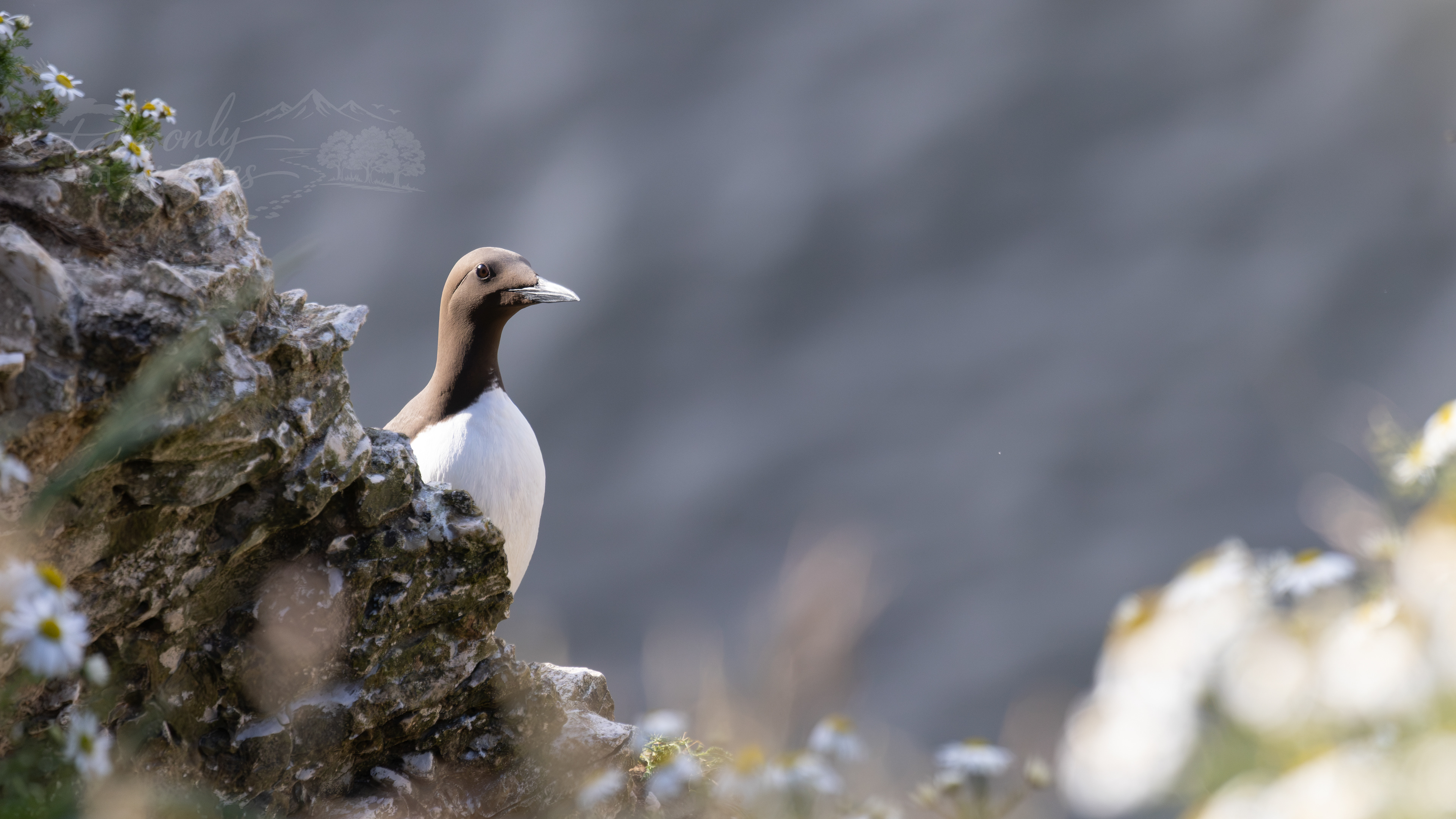
We walked a fair way north, towards the RSPB centre. The light was fairly flat, but also soft, allowing for a couple of nice shots before we returned to the van. A guillemot was perched in a gully just below the cliff top, half in shadow, half illuminated by the warm evening sun.
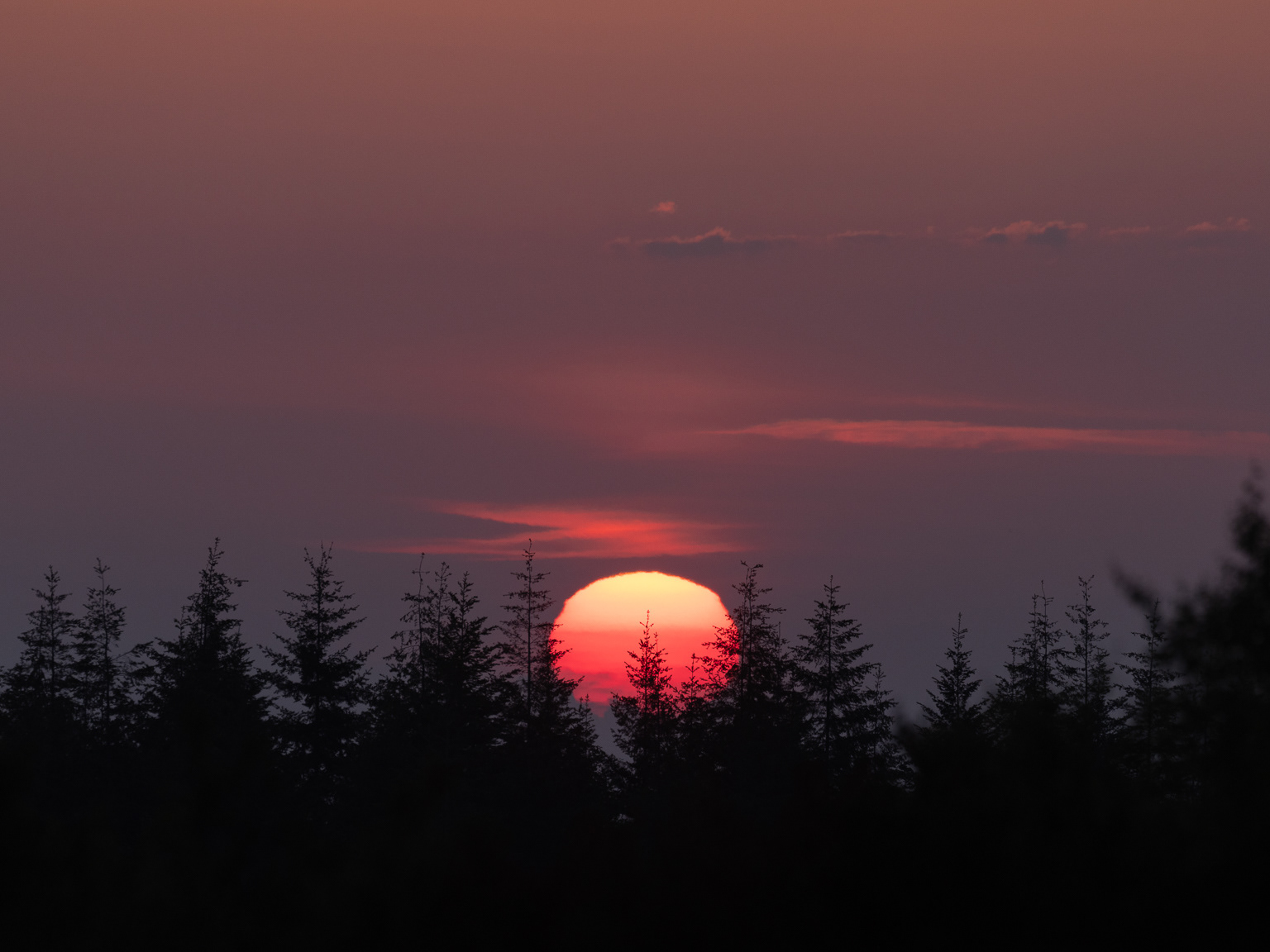
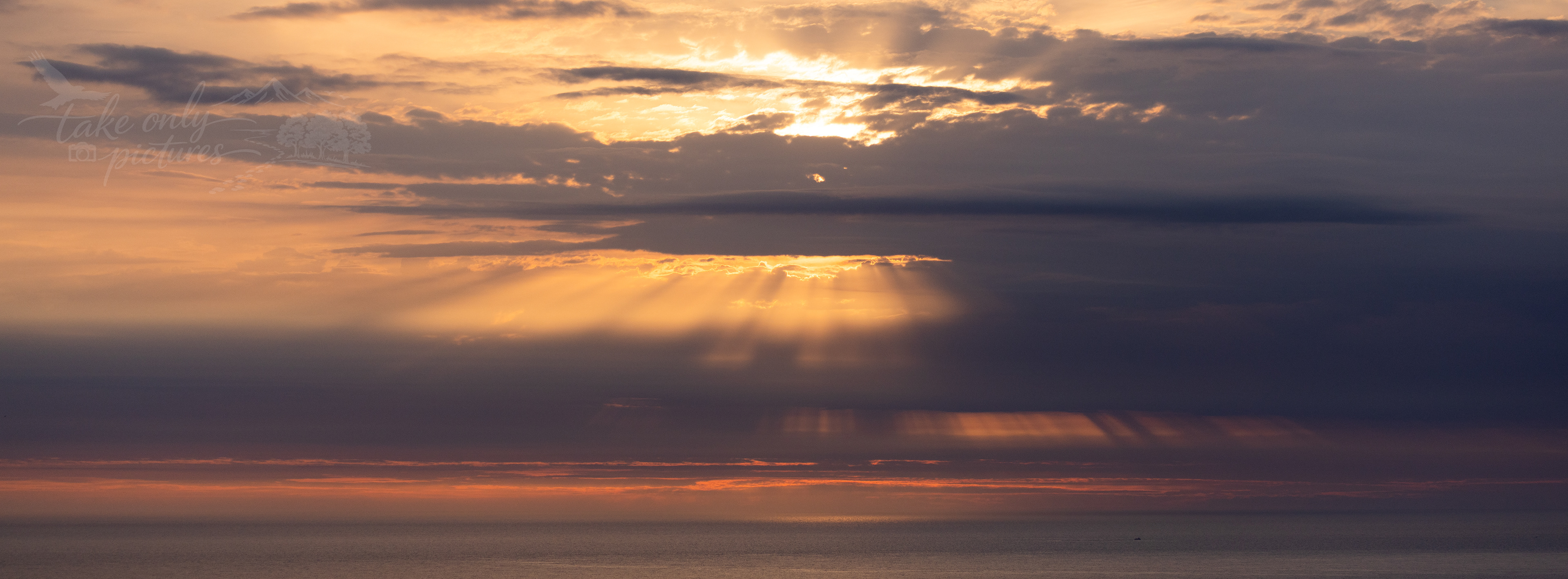
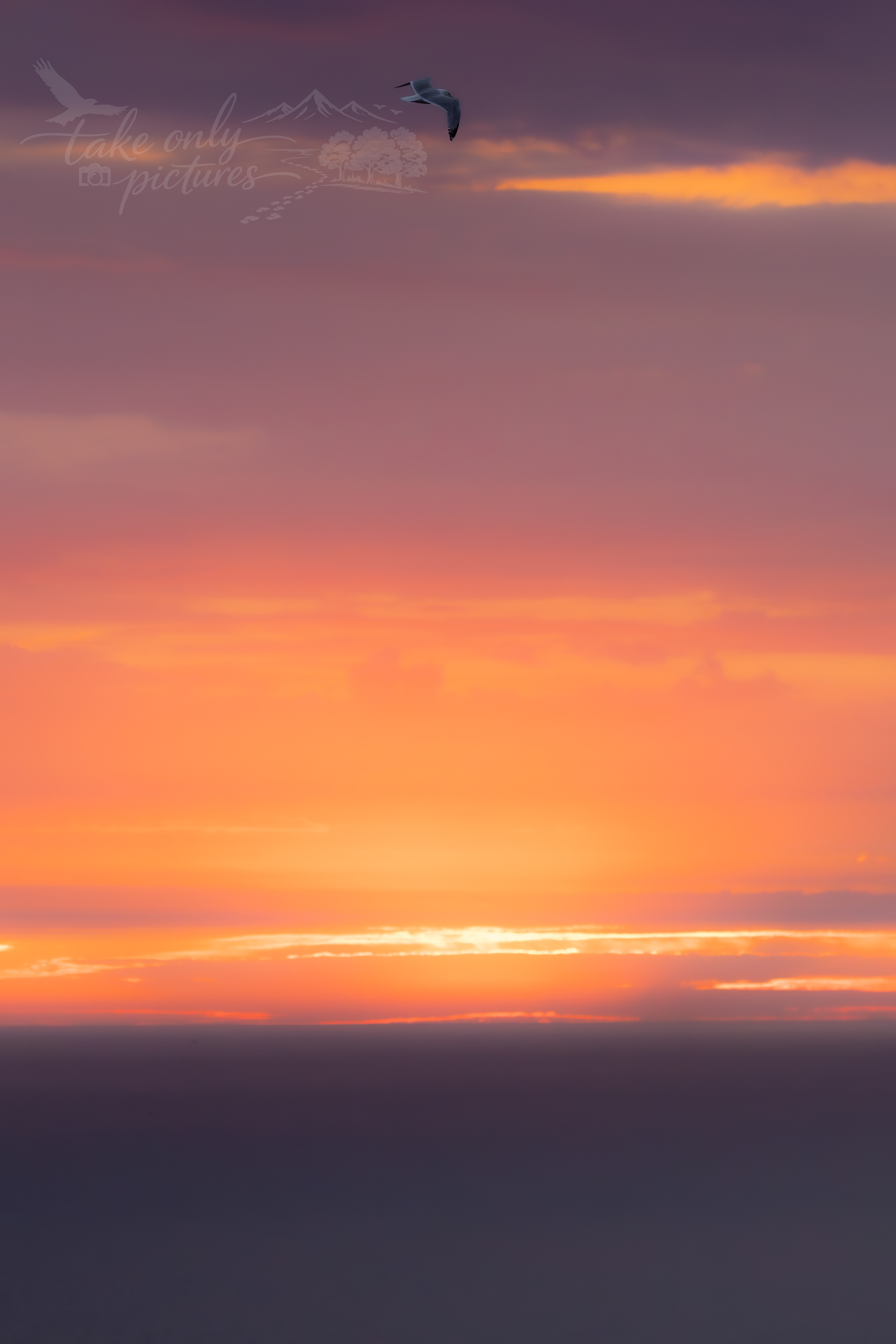
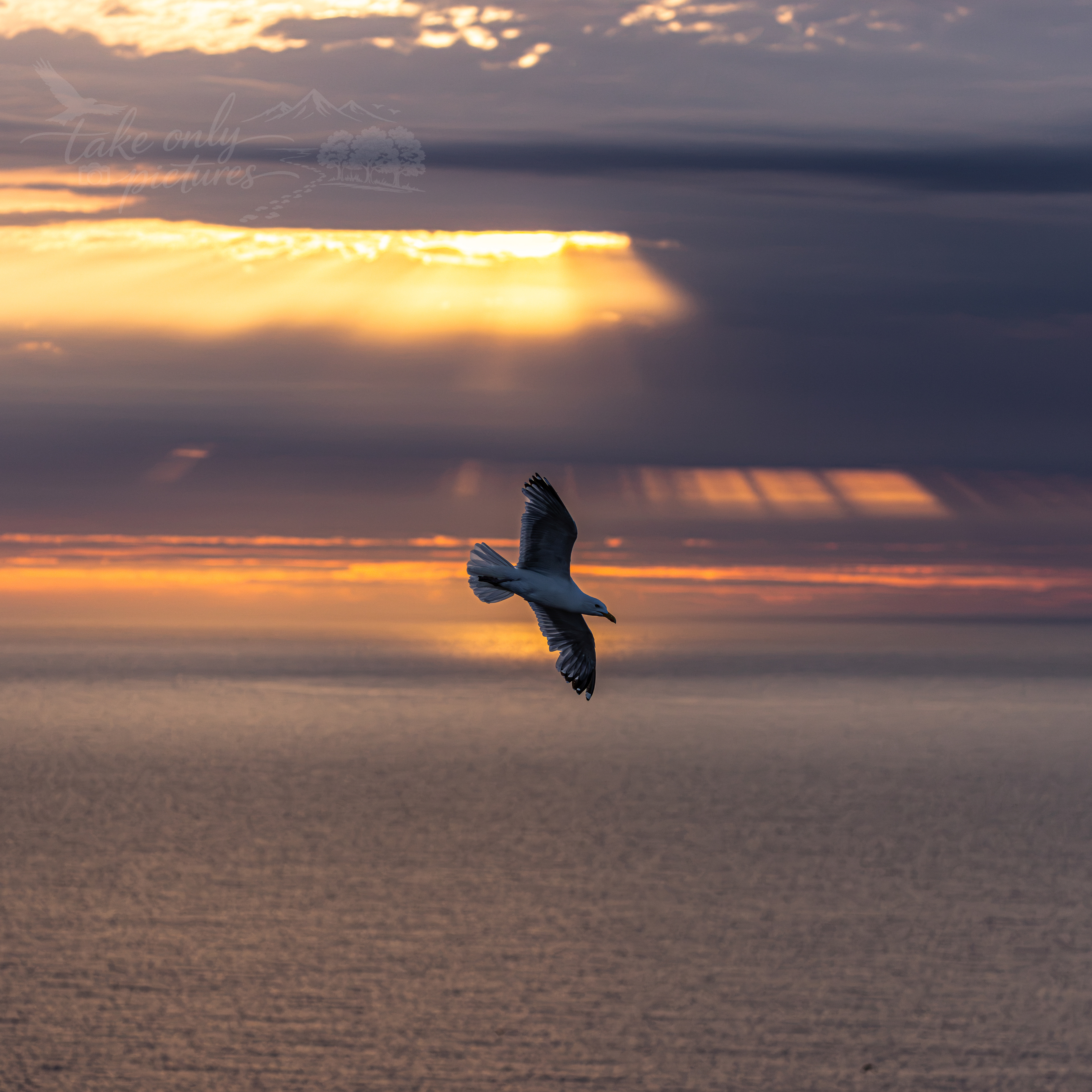
As soon as the alarm went off, I questioned the wisdom of setting it for 4 a.m! The sunrise was bound to be rubbish and shouldn't I grab another couple of hours sleep and get up with the rest of the campsite? Curiosity got the better of me and I was halfway to the cliff edge by 4.10. Sunrise was at 4.27, so I perched myself on a protruding ledge and waited, hoping for that shot I had planned in my head of three gannets perfectly placed in front of the rising sun! Suffice it to say, that didn't happen, but the sunrise was worth getting up for. Initially, just a golden orb, as it rose between bands of cloud, it sent out some of the best sunbeams I've seen in years. With or without a line of gannets, it was stunning.

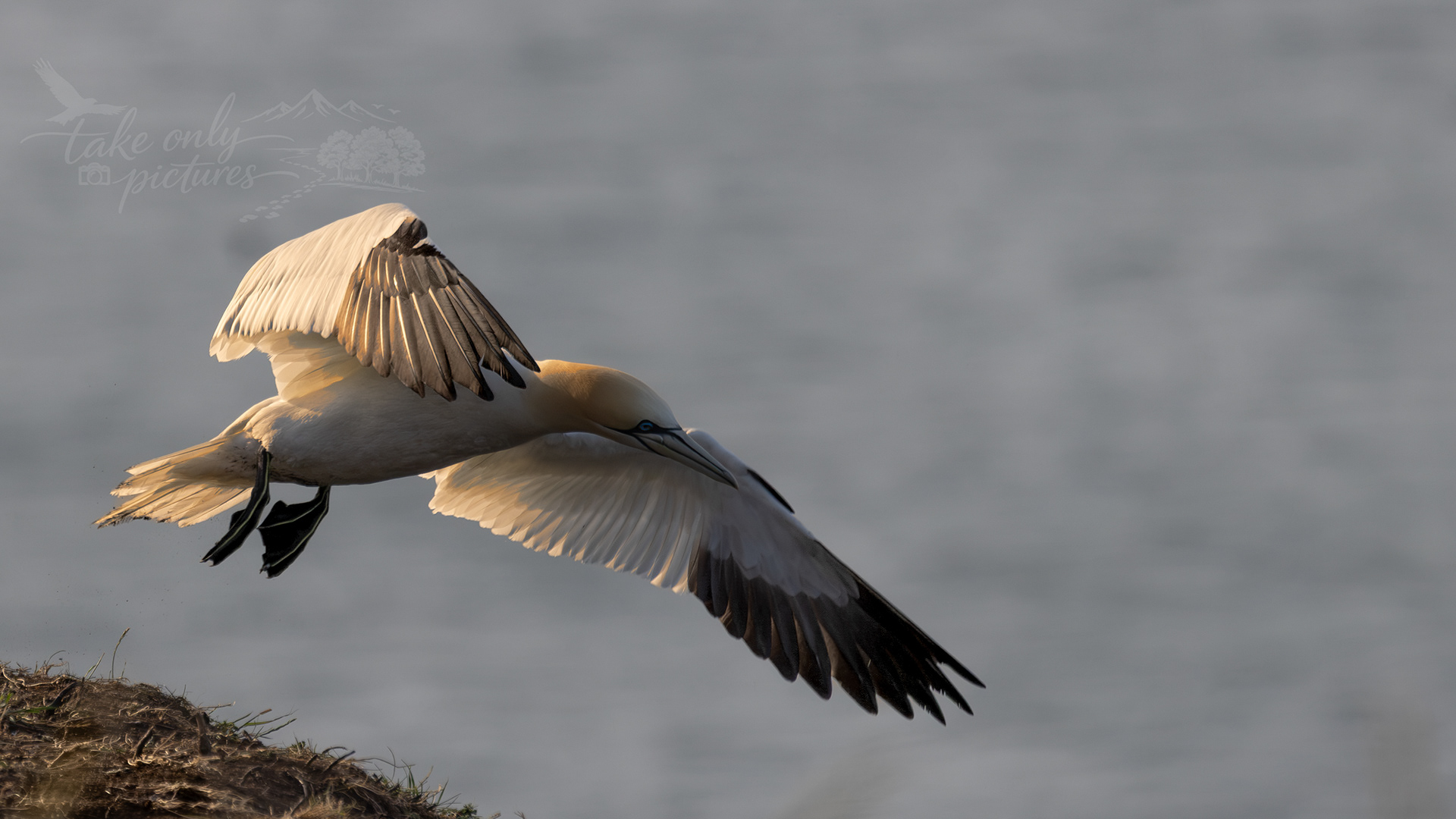
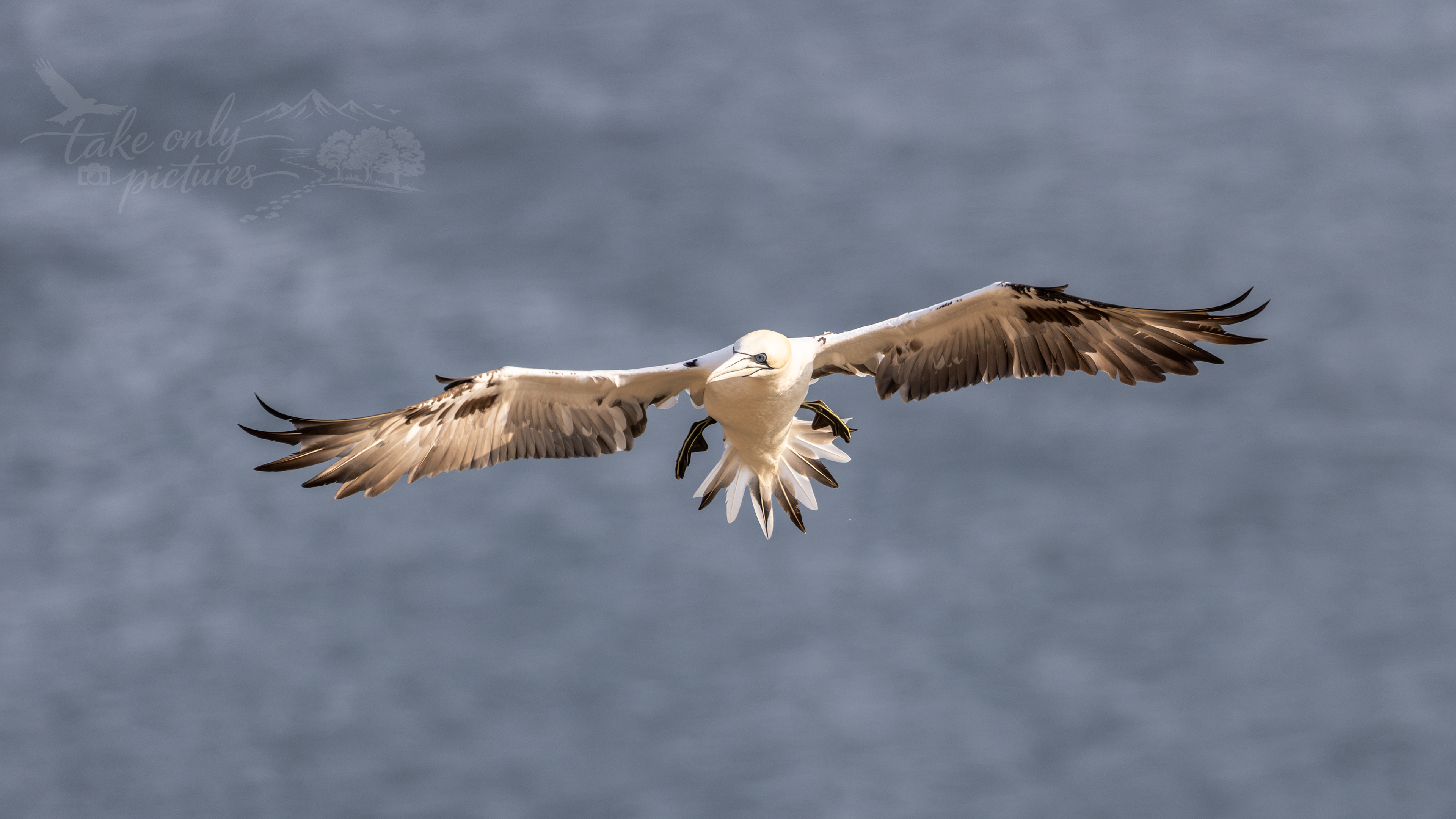
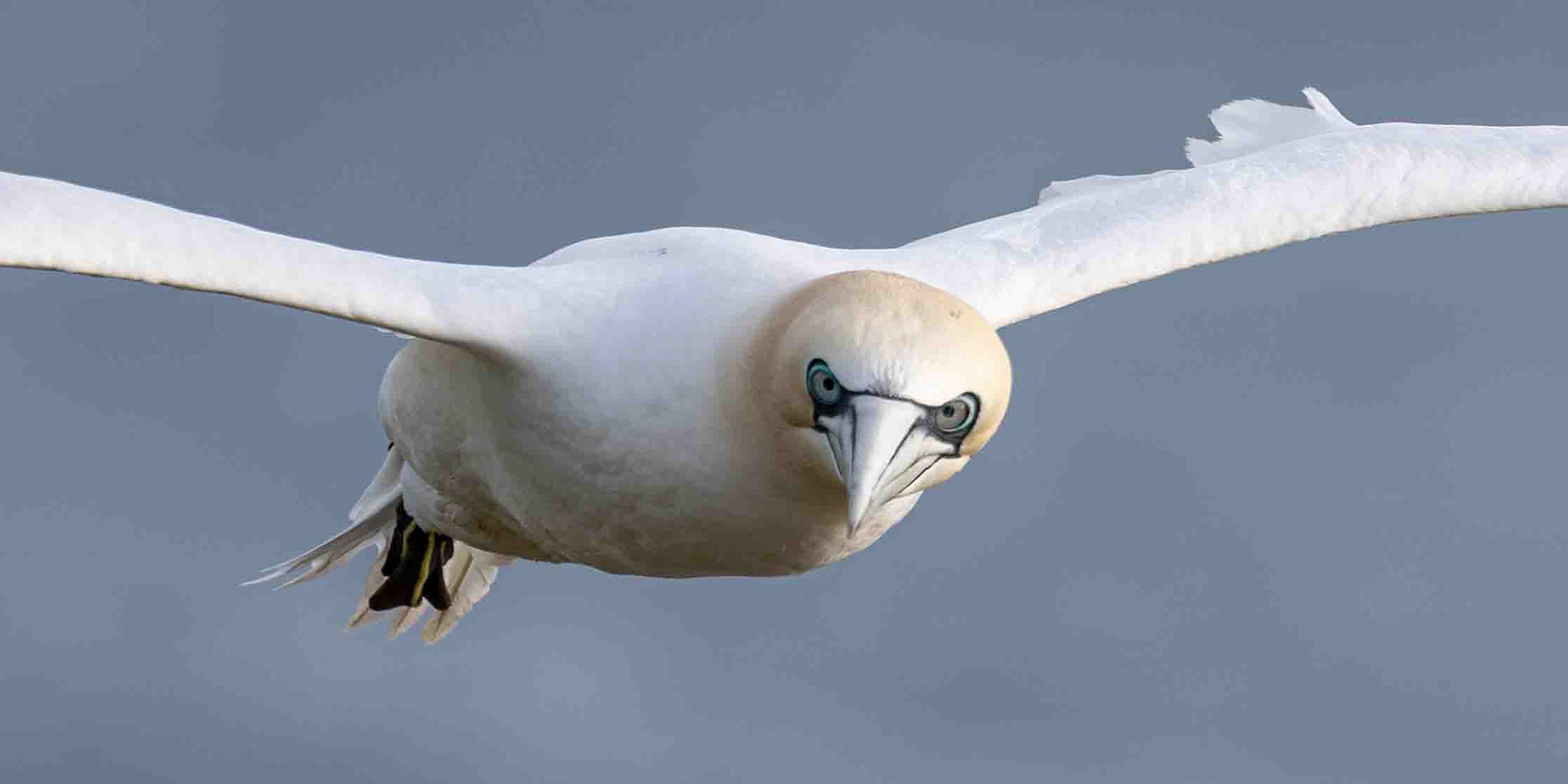
I moved further along the cliff to where the birds were more active and closer into the cliff face. Just like any city in the human world, Bempton Cliffs was waking up, with each of the residents going through their noisy morning routine - the razorbills and guillemots were already dropping from their narrow ledges and joining huge awk-rafts a hundred or so metres out; the rock pigeons gathering in clusters and scattering at the slightest disturbance; and all the while, gannets flying up and down the cliffs, playing on the updrafts and eddies. And, all the while, squawks, shrieks and cried making up a wall of sound, punctuated by the whirring of wingbeats as birds took off or landed.
As I sat, partly taking photos, partly just sitting enjoying the spectacle, I spotted one silhouette that stood apart from the hundreds of others milling around. A patrolling peregrine falcon glided past, looped out to sea few times in from of me and continued on its way - absolutely magical.
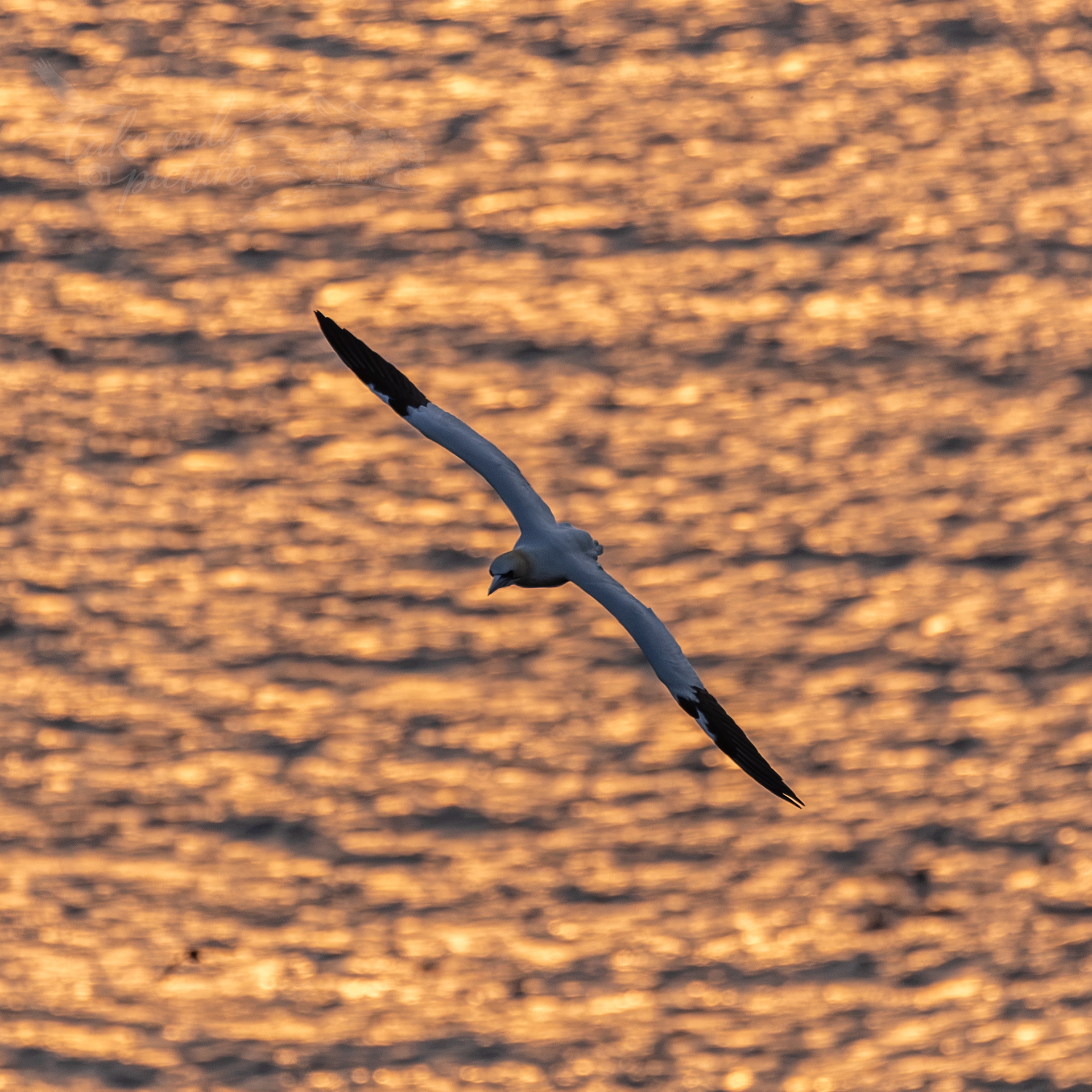

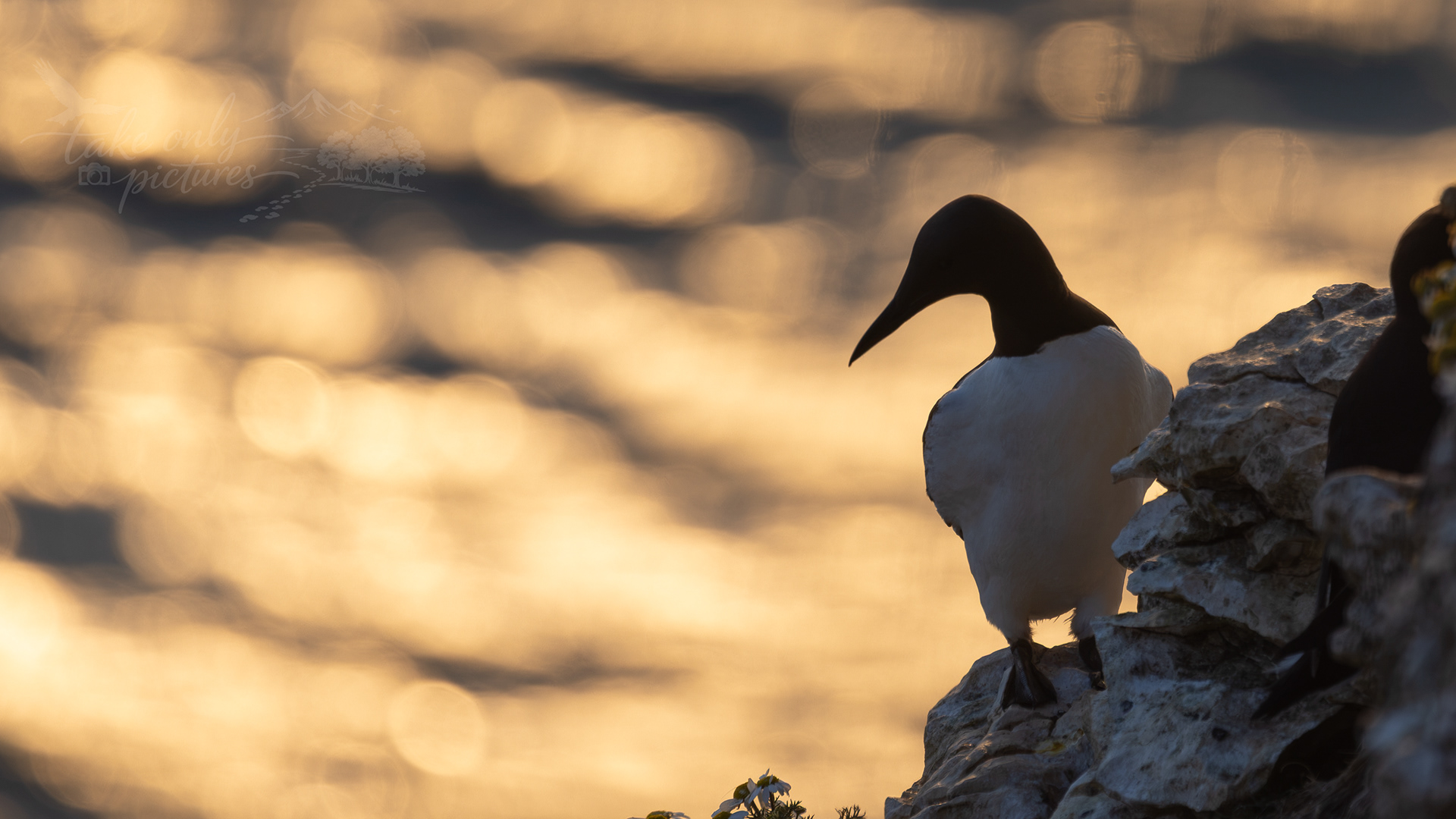
We spent the rest of the day walking along the cliffs, up to and beyond the RSPB visitor centre. The path hugs the cliff top for most of the way, allowing you to get fairly close to birds resting on the edge or floating on the updraft just a few metres off.
While most of the cliff top was covered in a summer crop of grass, in several spots, sizeable areas have been "mown" where nesting gannets have plucked beakfulls of vegetation to line their nests, leaving nothing but stubble and bare soil. There was a continuous through put of birds - as one left with a clump of grass dangling from its beak, another joined the end of the queue and started "mowing".
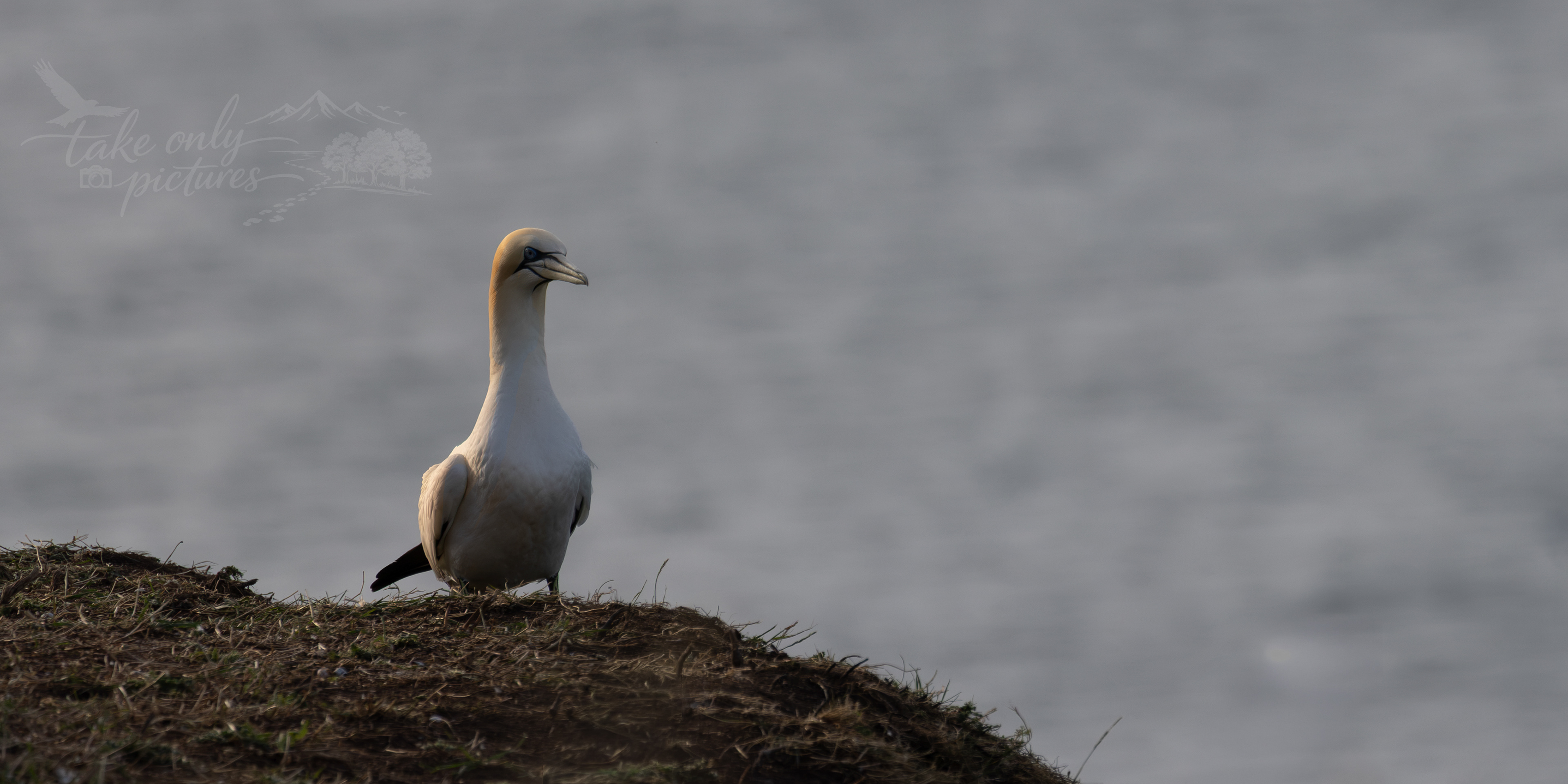
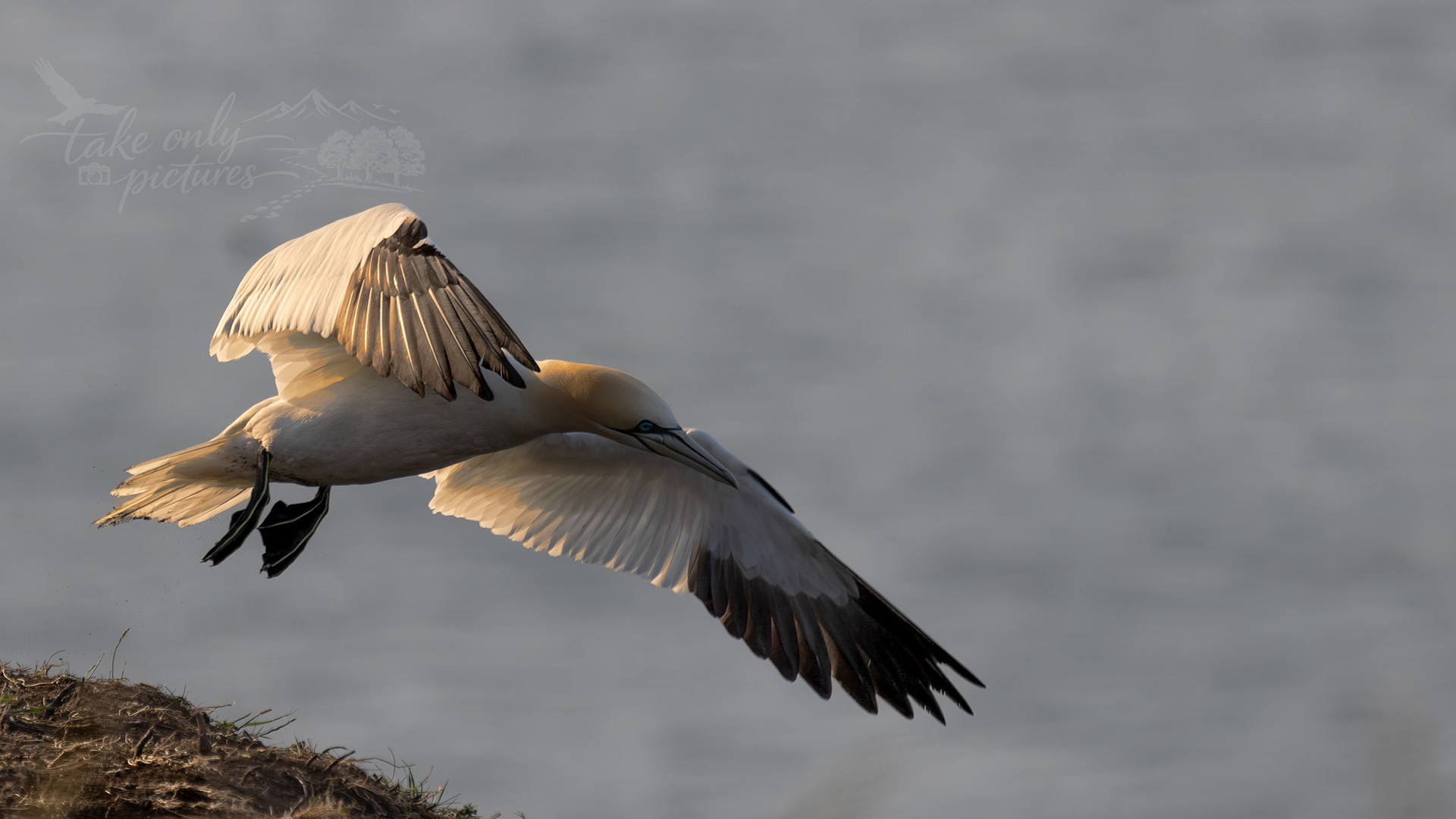
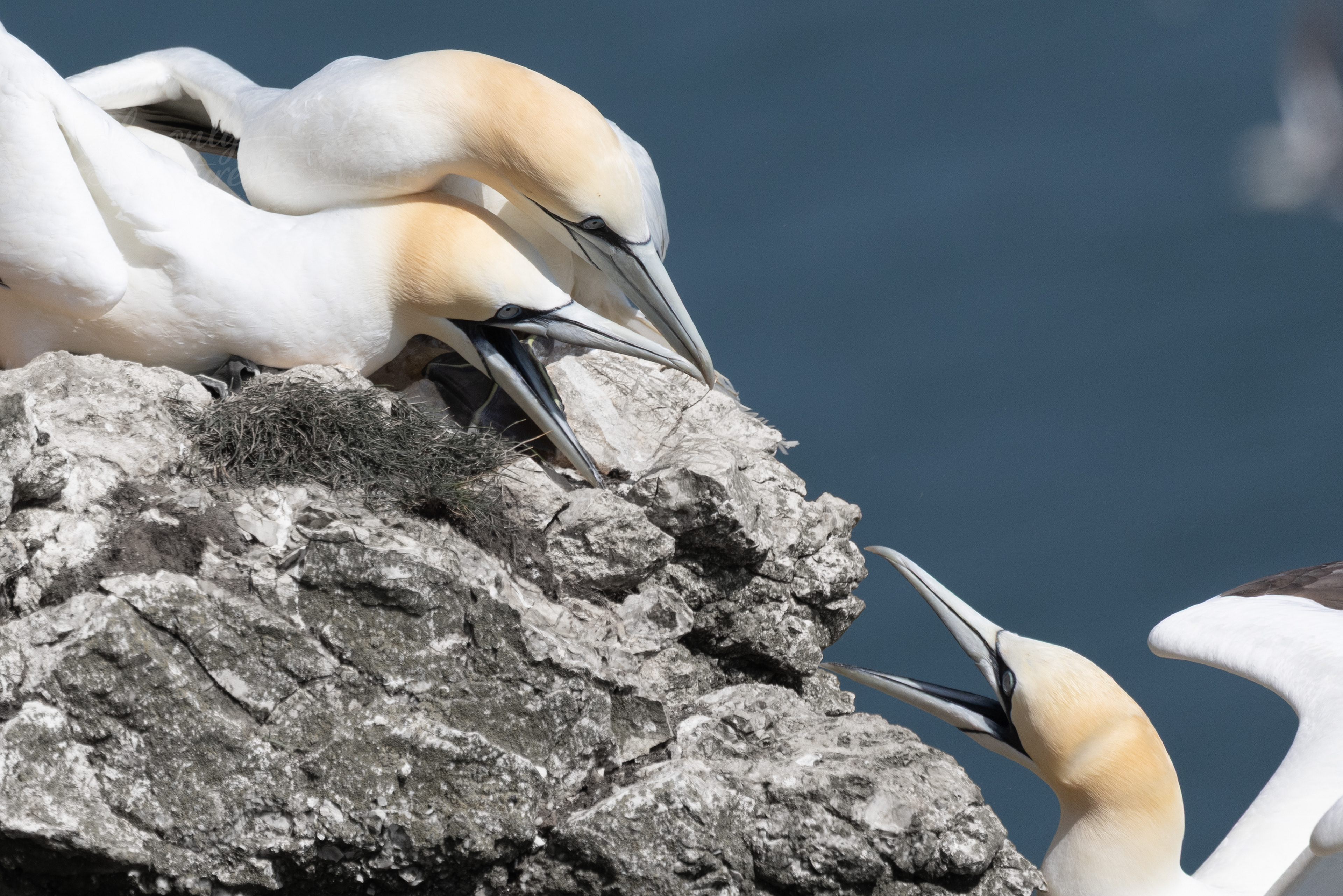
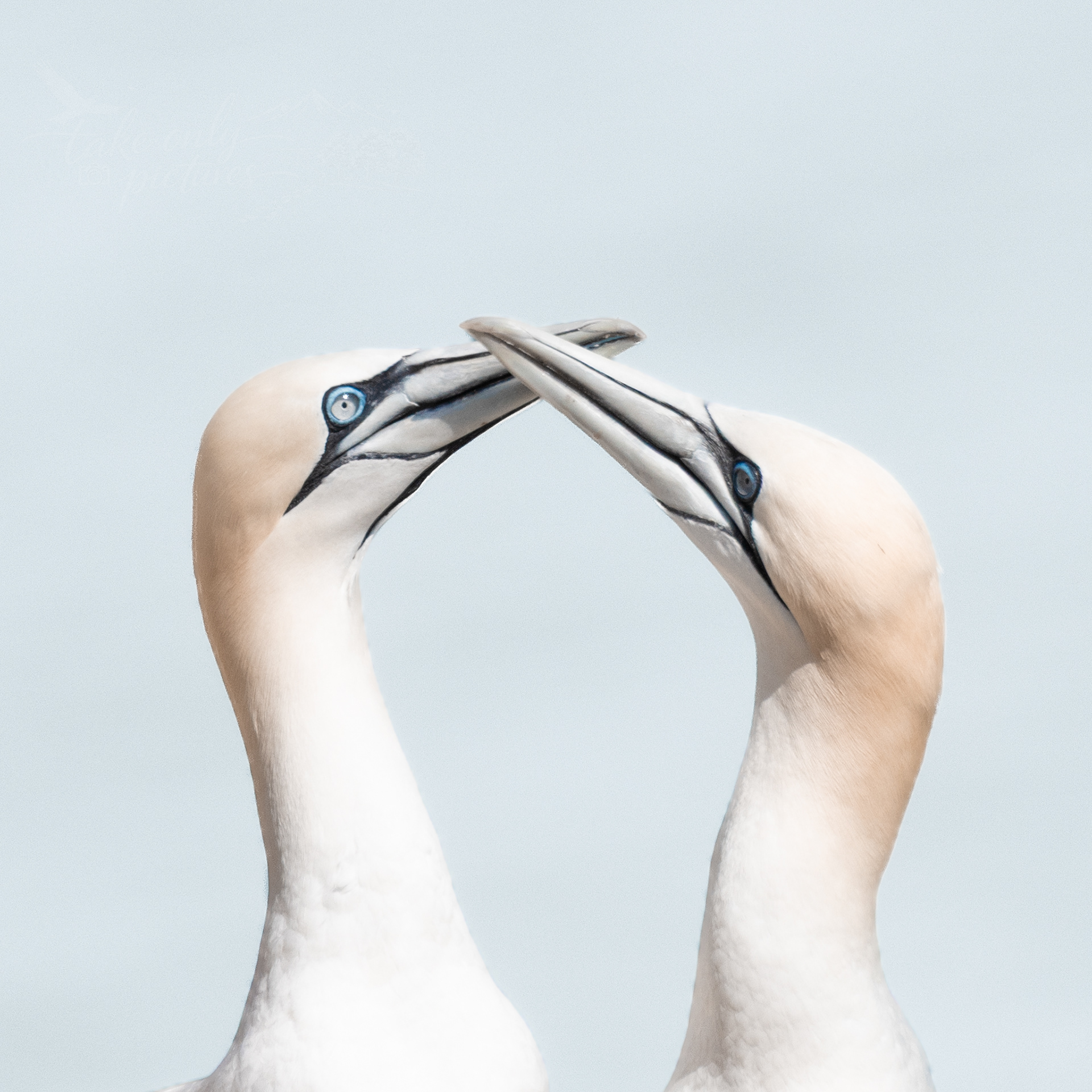
Gannet colonies always amaze me - the sheer density of nesting birds and utter cacophony of their calls. But there is order in the chaos - each nest is never closer than an outstretched neck and beak. If a bird encroached on another pair's patch, it would literally get the sharp end of its neighbours' beaks. Arguments were always short and they had seen the intruder off, the defending pair would reaffirm their bond with extensive allopreening, neck stretching and beak tapping.


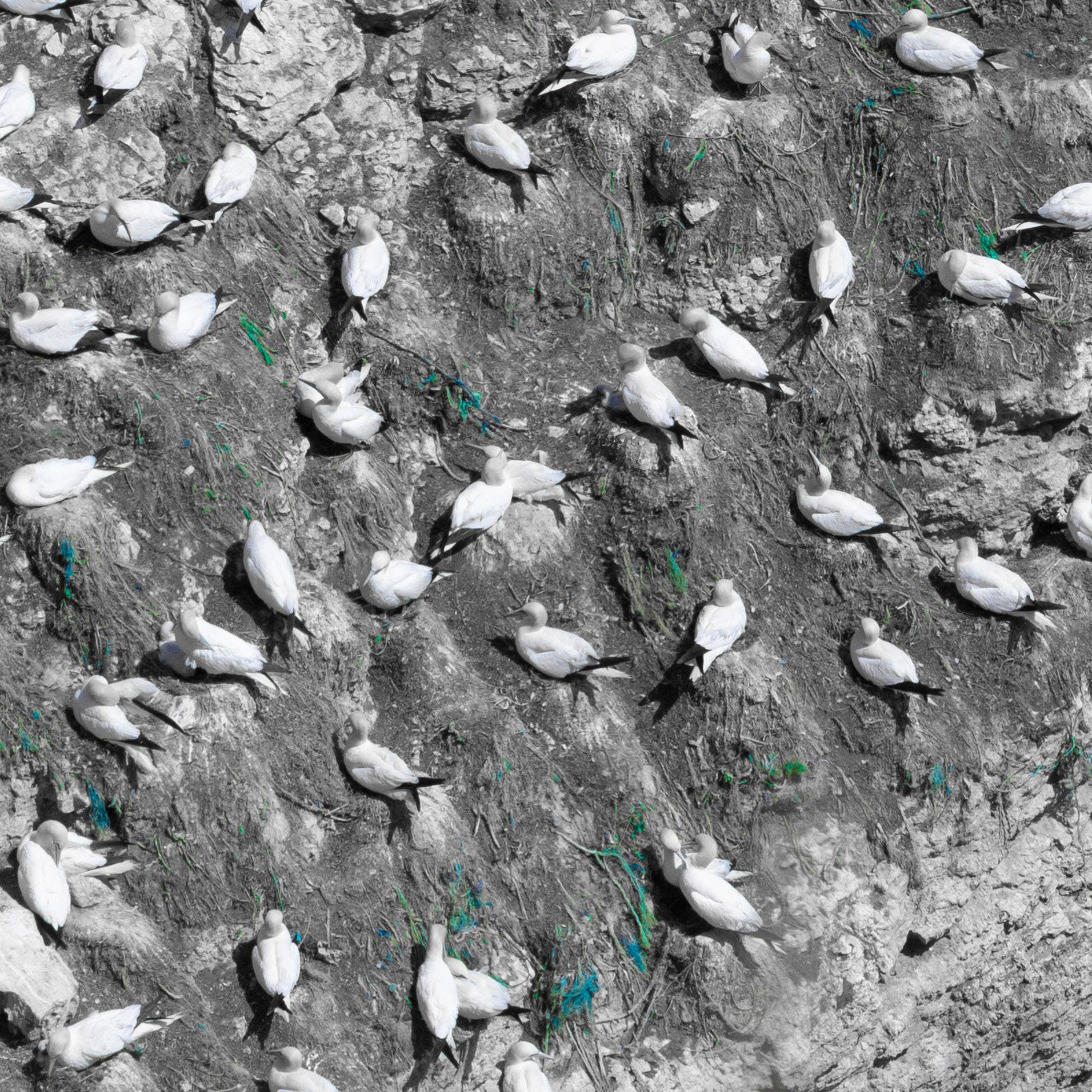
While there is no doubt the gannets are flourishing at Bempton, like all colonies, there was a constant reminder of one of the major threats we pose to sea birds and the marine environment as a whole - the scourge of plastic pollution. Where they should have been built entirely of vegetation, many/most/virtually all (?) gannet nests contained lengths of plastic polymer fishing net. As far as the gannet is concerned. why not? It's strong and plentiful, ideal for nest building. Unfortunately, it is also consumed by the chicks (or guga in Scotland) as they feed on fish regurgitated from their parents, either damaging their digestive tissues or, if the plastic has disintegrated (microplastics), passing into their bodies, damaging the kidneys and other organs. The UK's National Oceanographic Centre estimates there are already 200 million tonnes of plastic in the world's oceans, this figure increasing between 10 and 20 million tonnes each year (equivalent to a full rubbish truck dumping its load each minute).
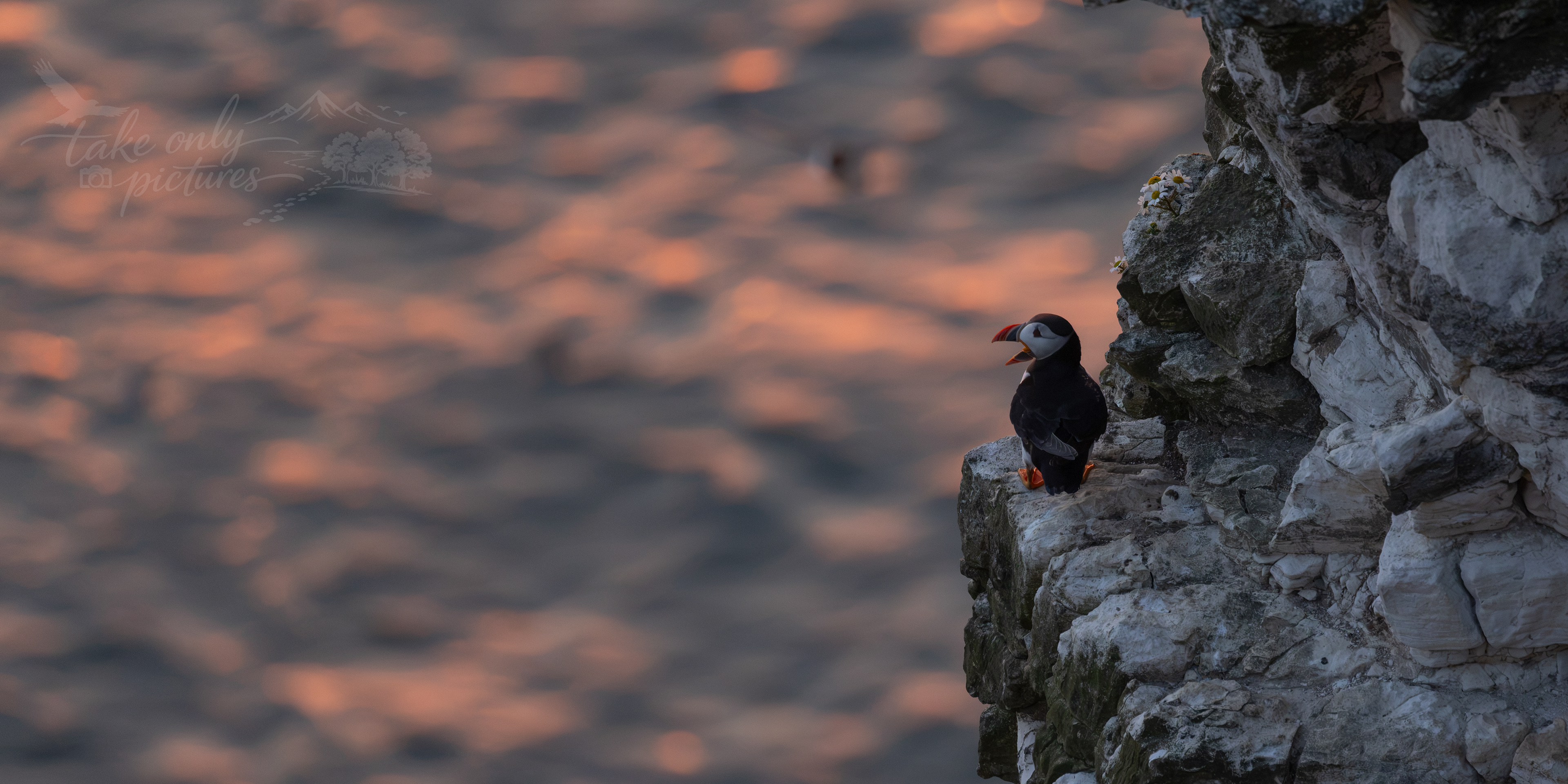
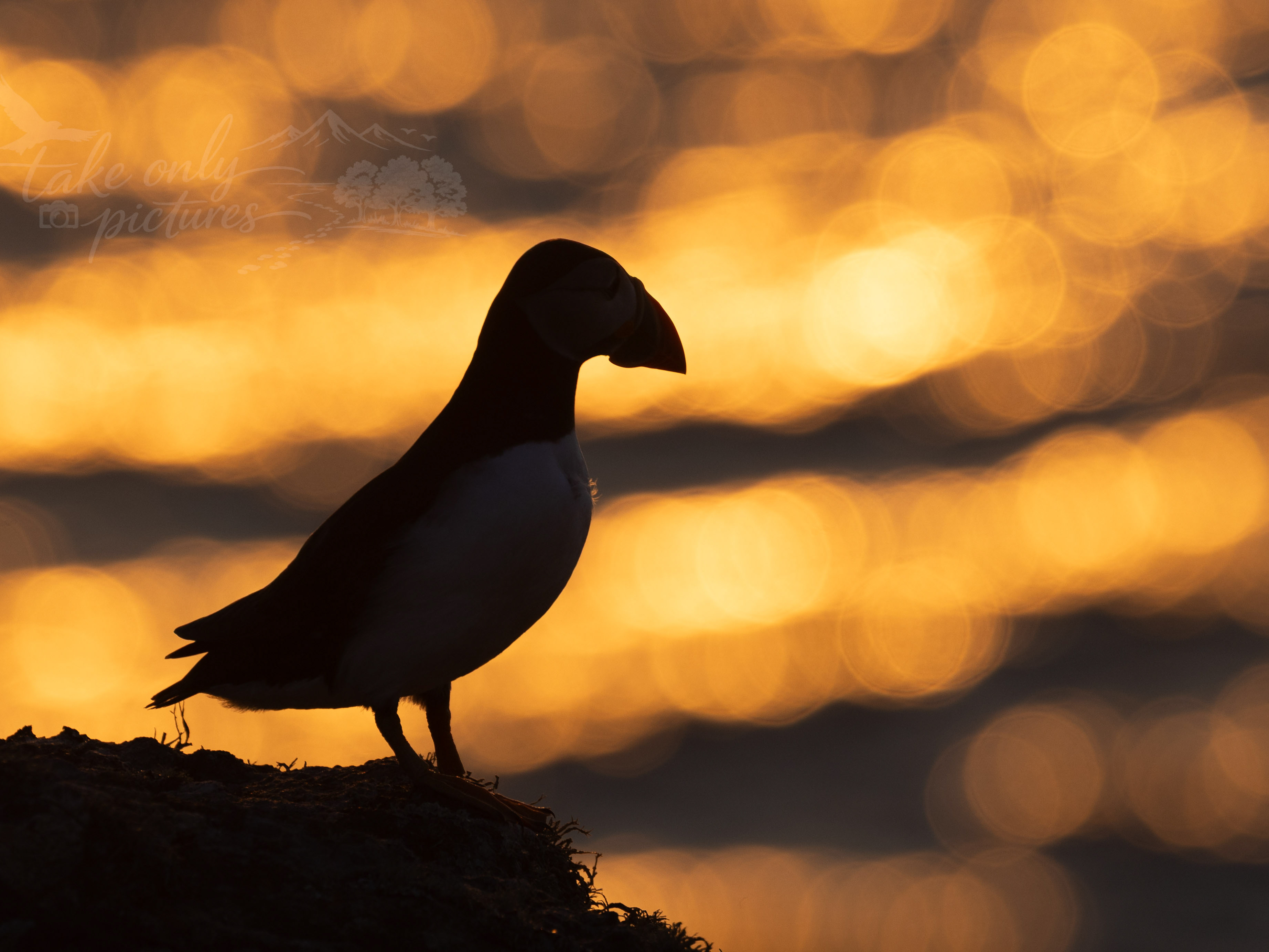
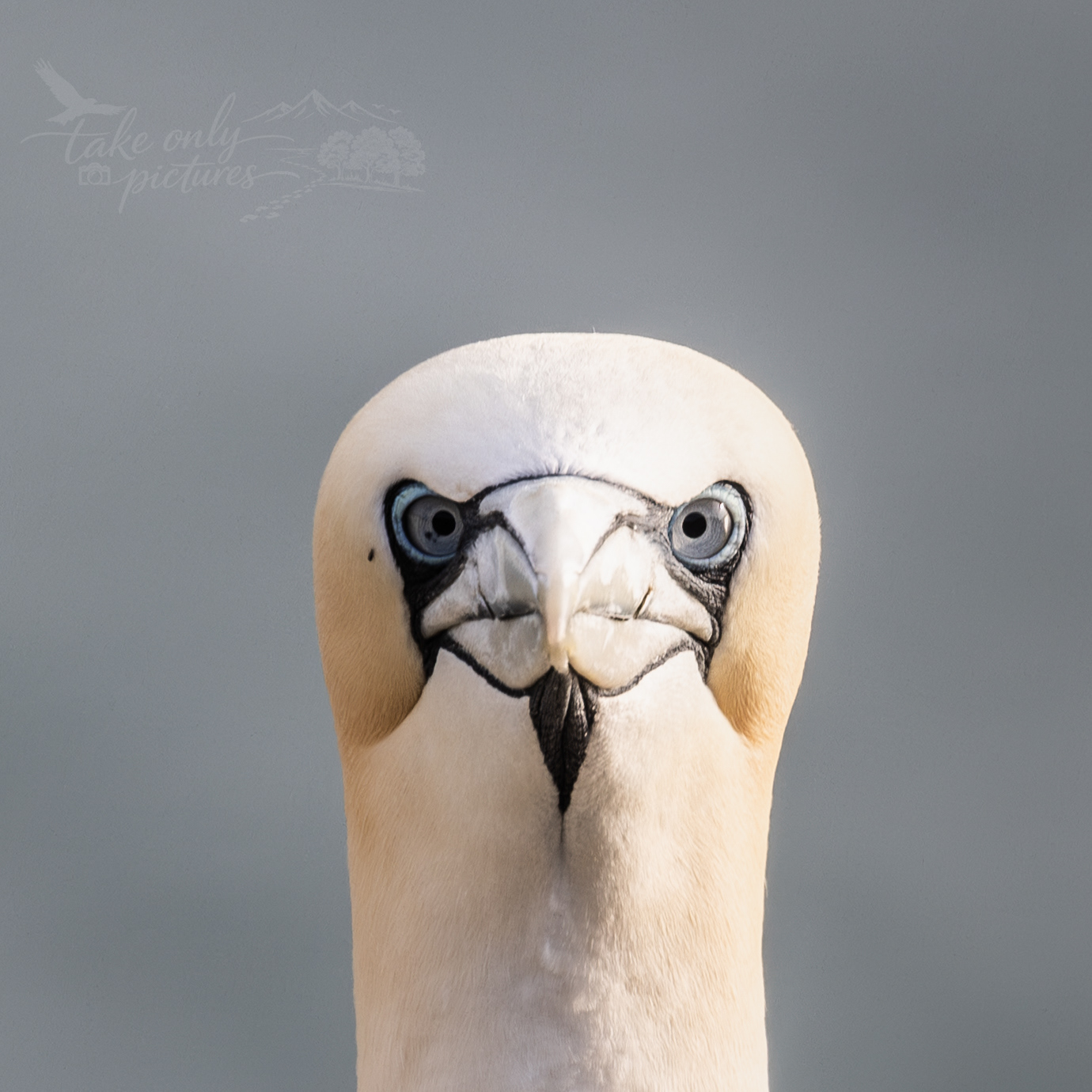
We spent the rest of the day walking the cliffs, taking in the grandeur of so many birds at close quarters. As already mentioned, Bempton isn't just about the gannets - guillimots, razorbills and assorted gulls abound, interspersed by a few puffins.
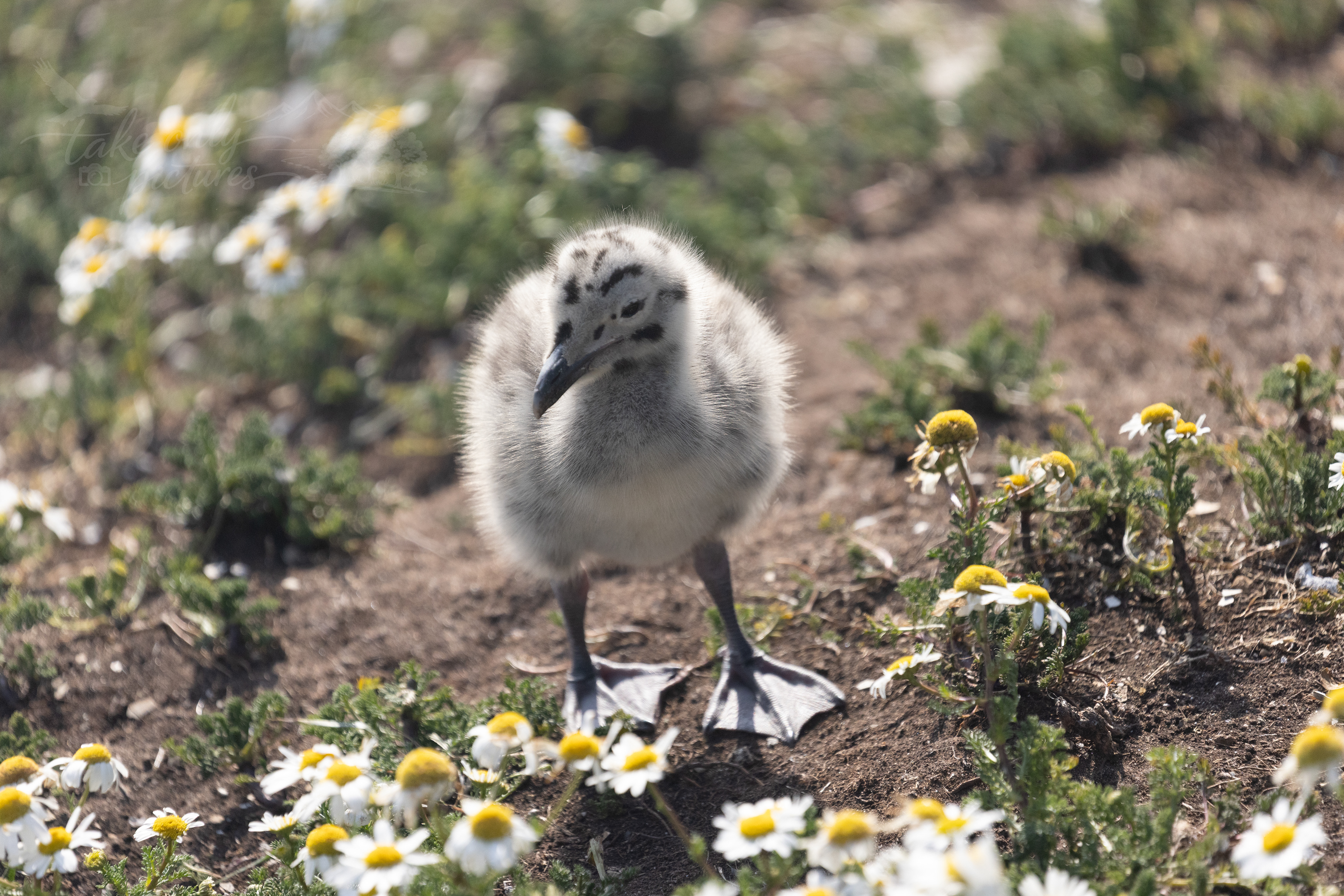
Herring gull chick
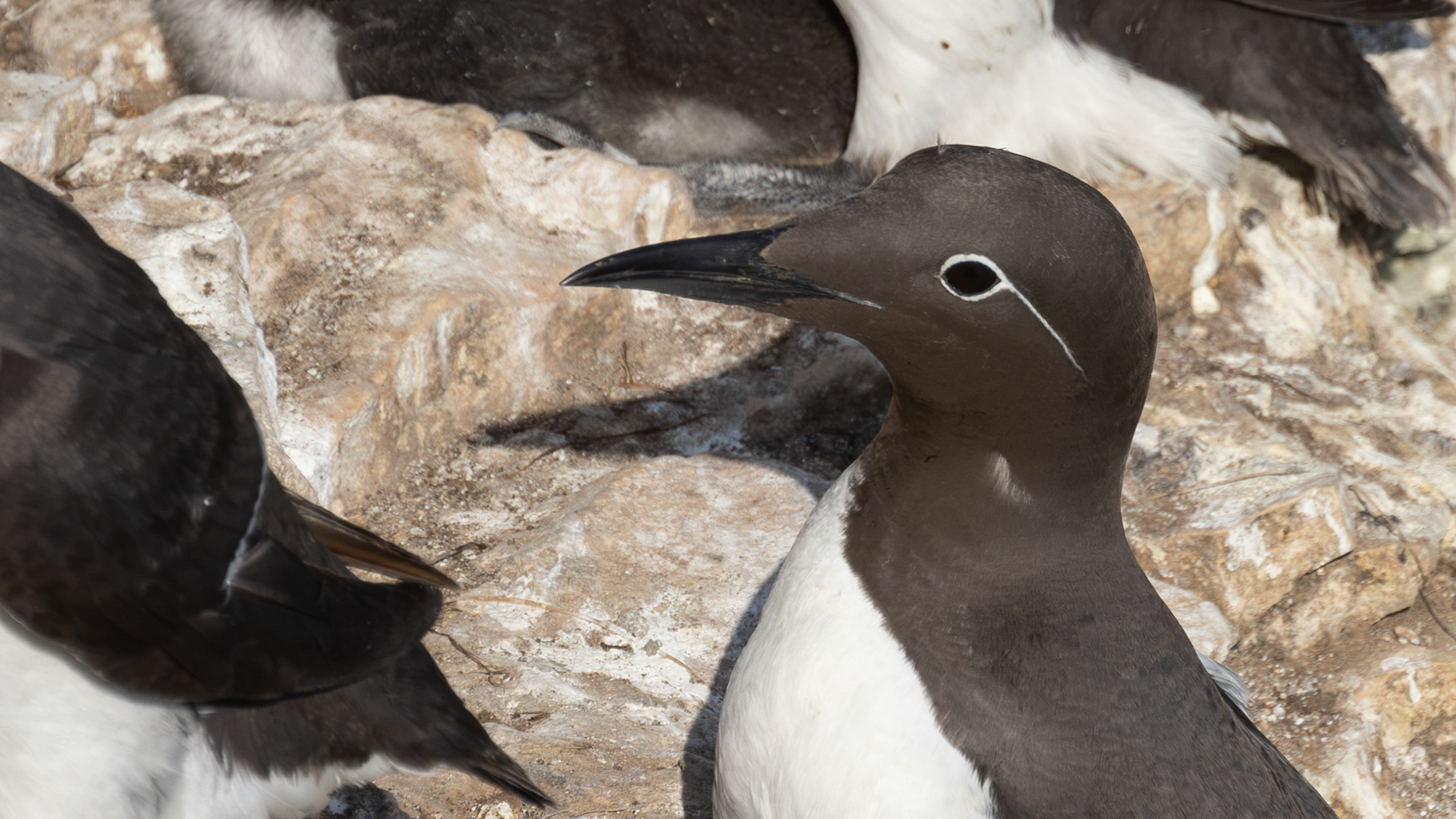
Bridled guillimot
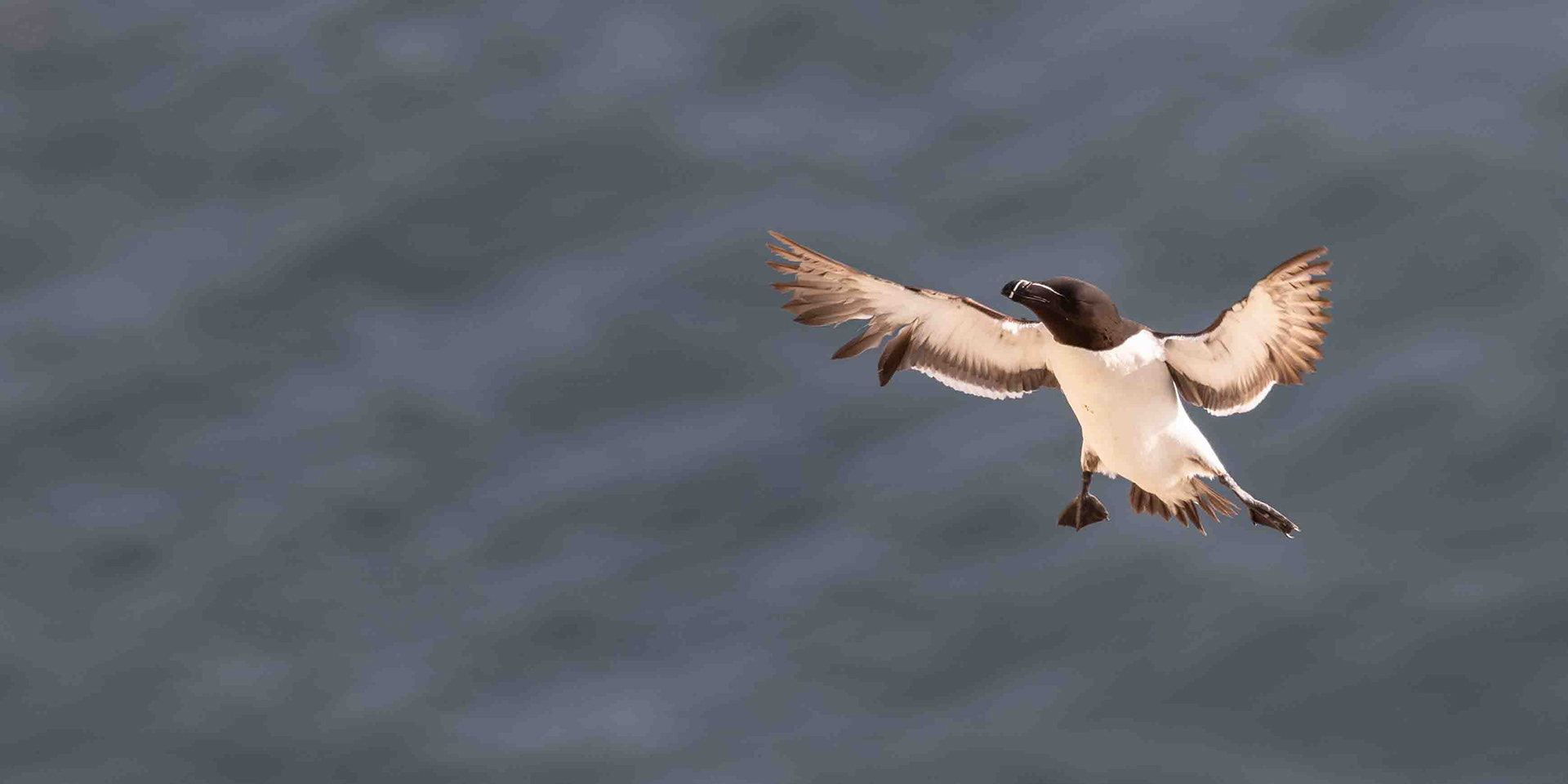
Razorbill
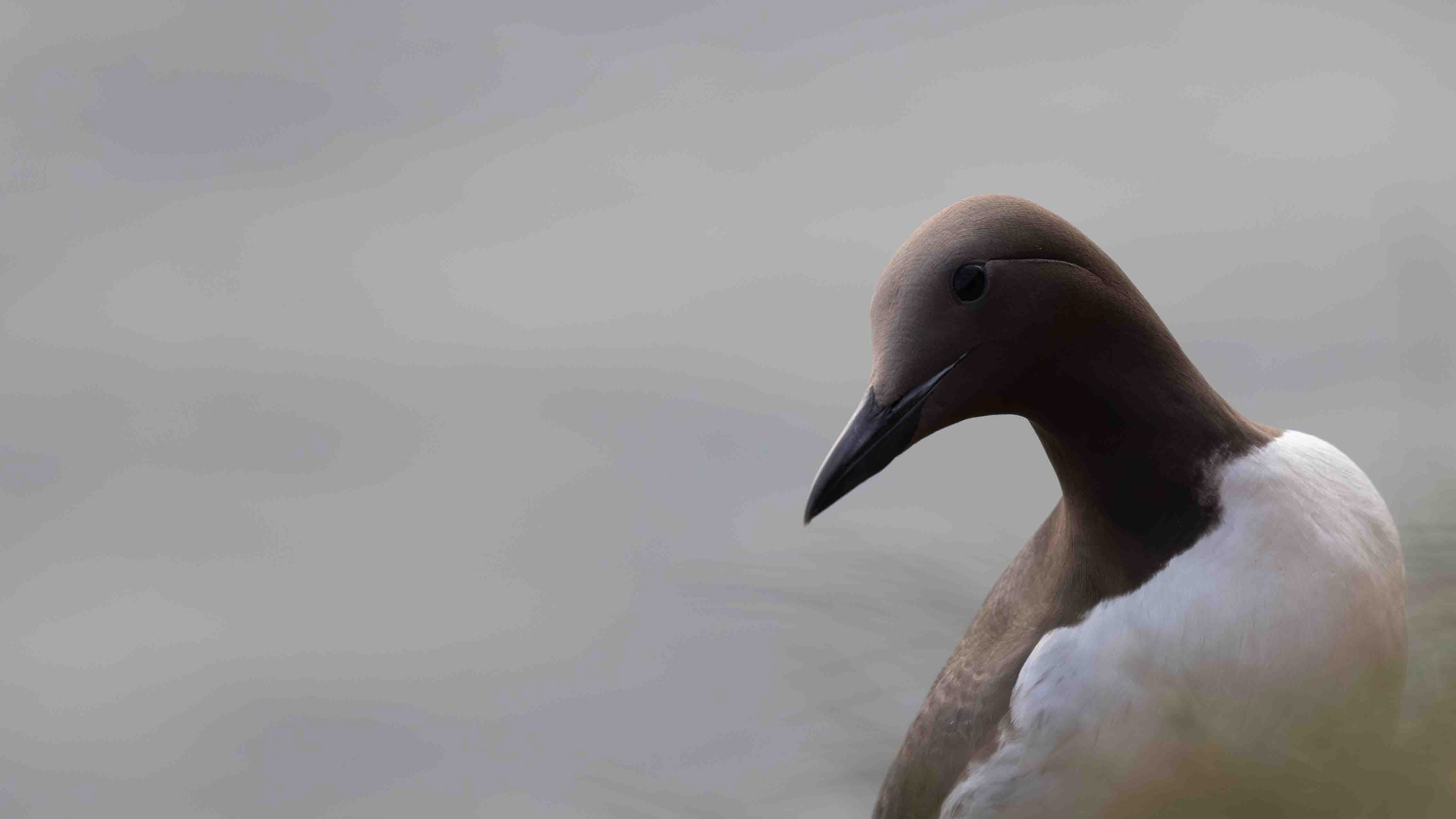
Guillemot
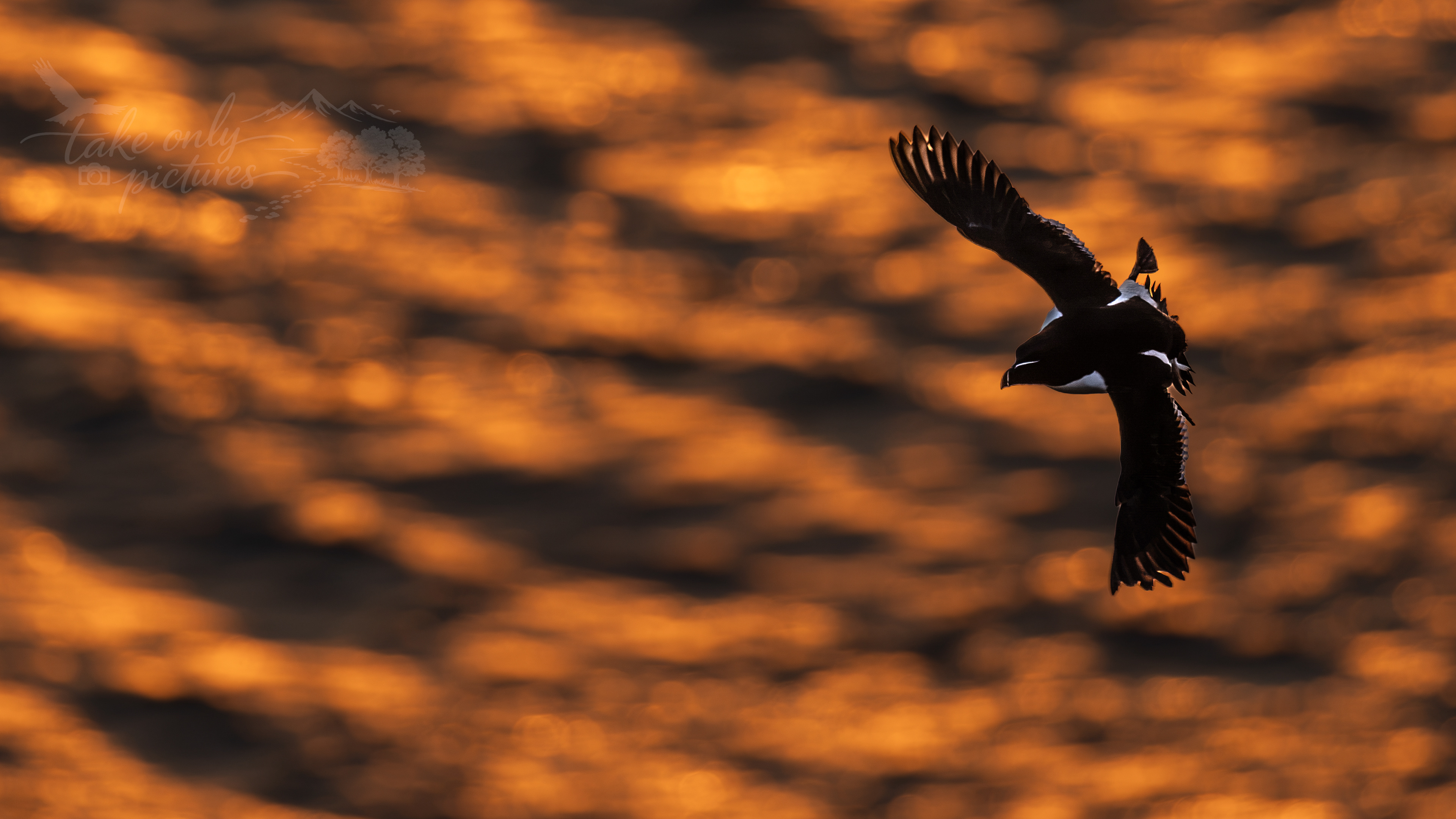
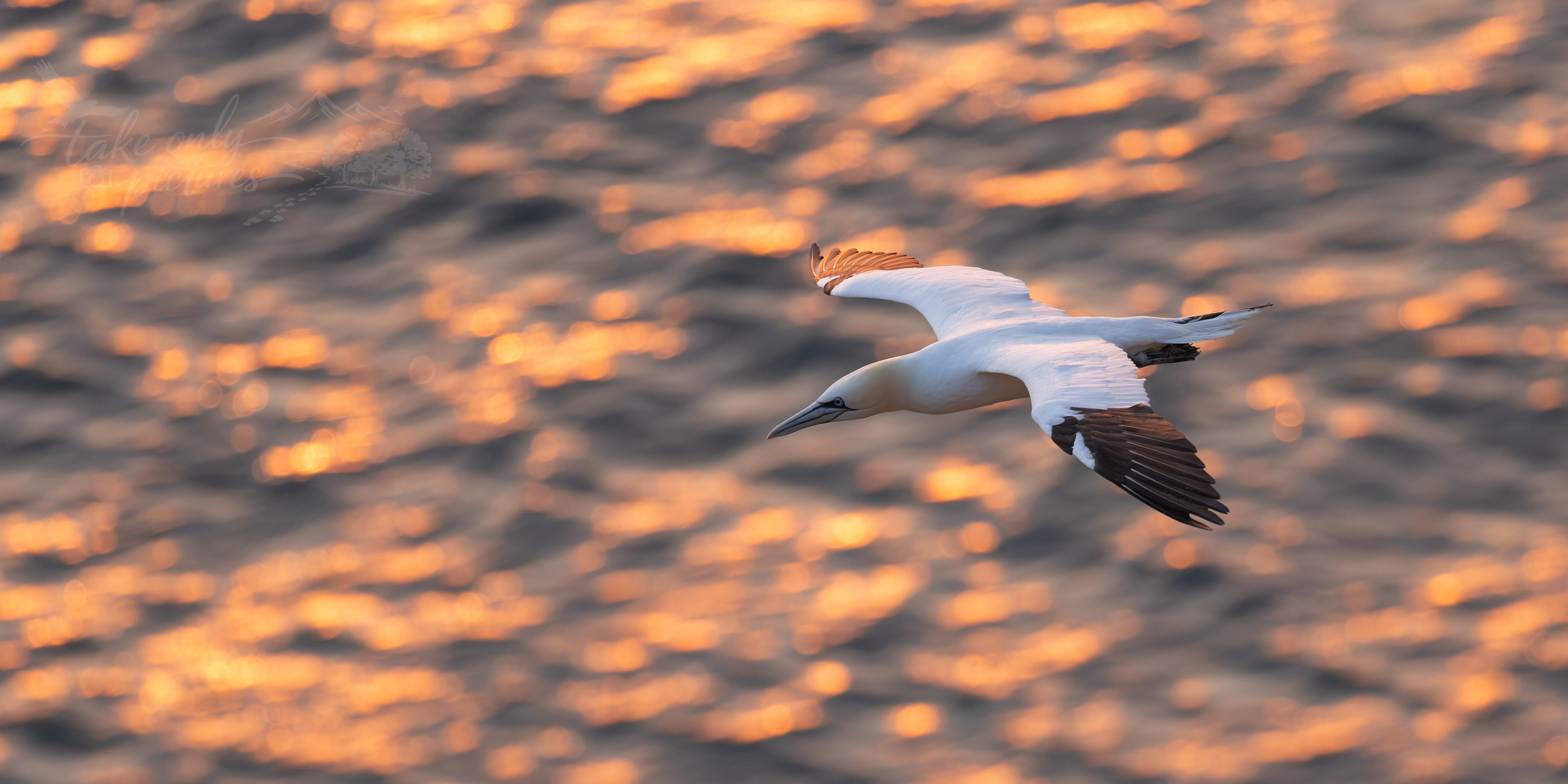
The next morning (although at 4 a.m. it still felt like the night before!) we woke early and forced ourselves to get up to the cliffs for sunrise. And, it was worth it! The water shone like rose-gold, providing a stunning backdrop, as the colony woke up and went about its daily business.