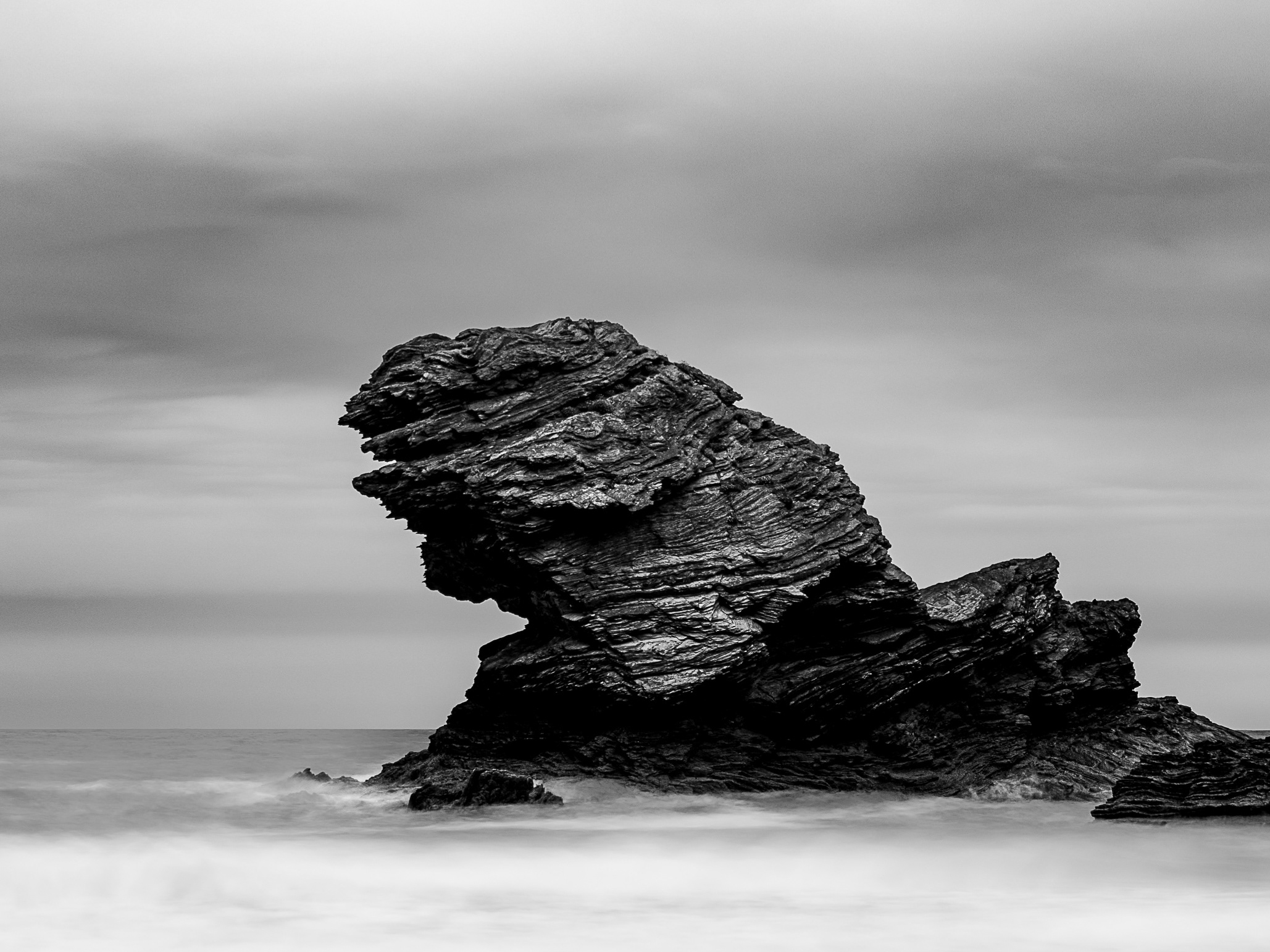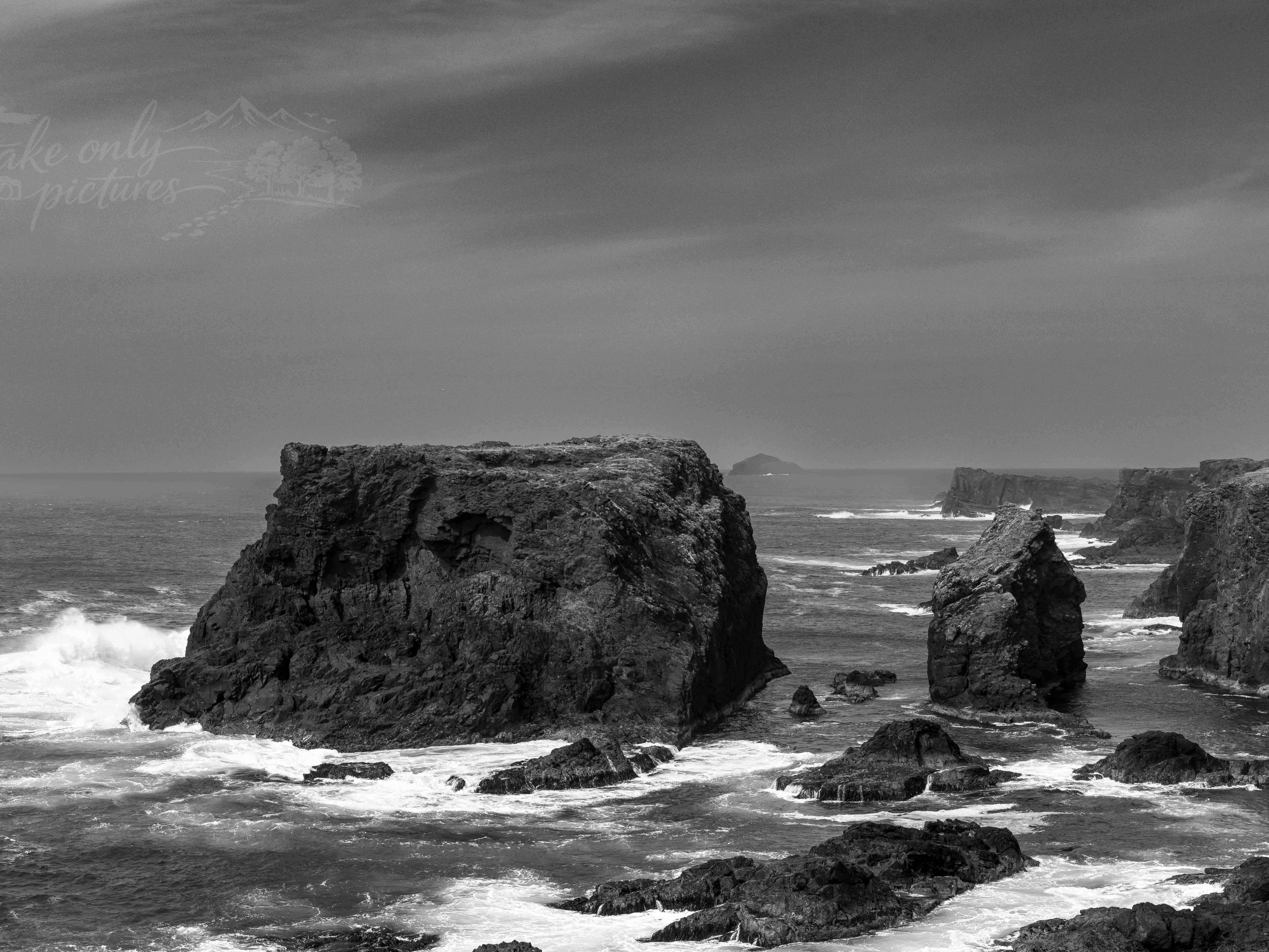
My overall favourite images, those that have given me greatest pleasure. Listed In chronological order.
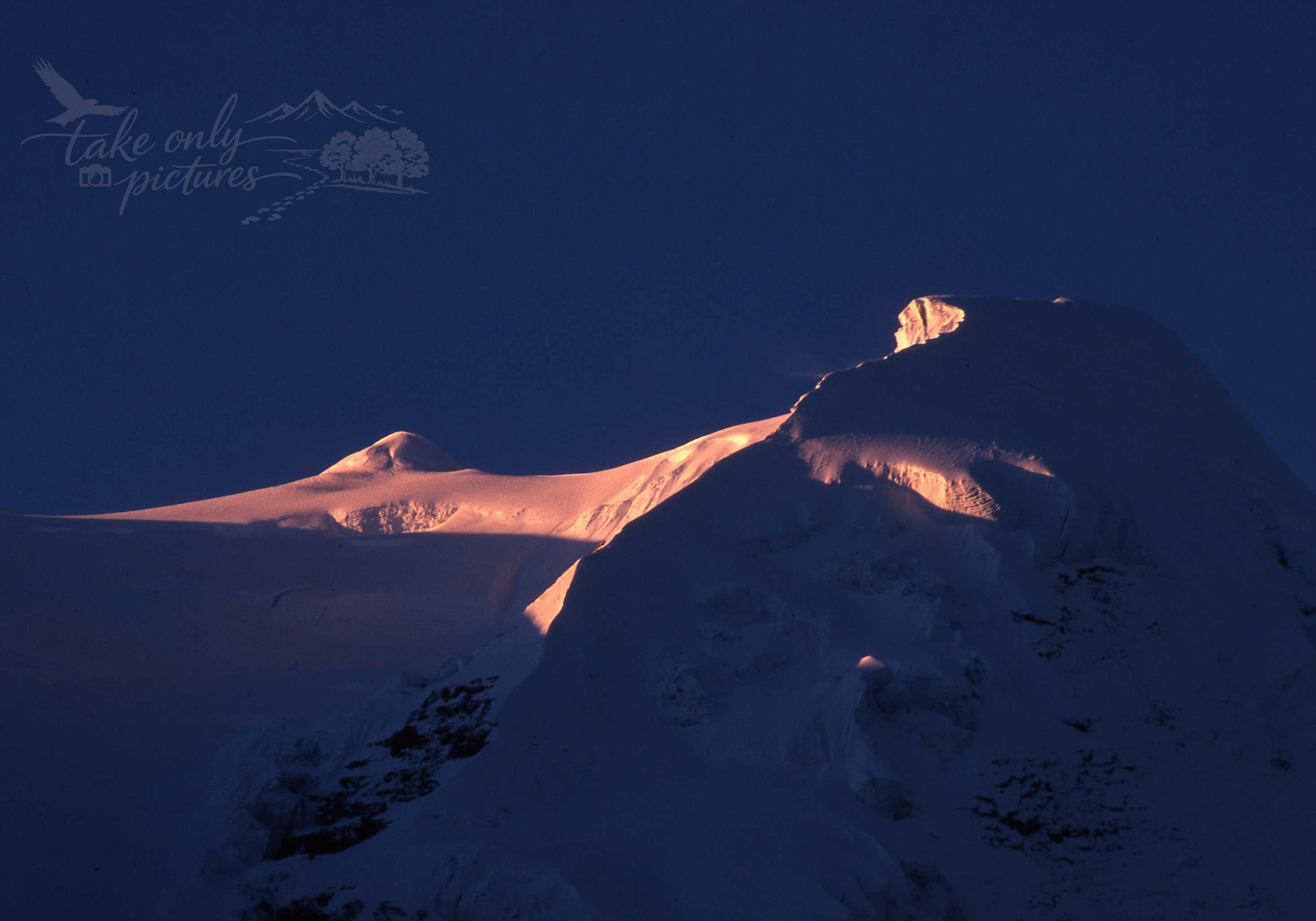
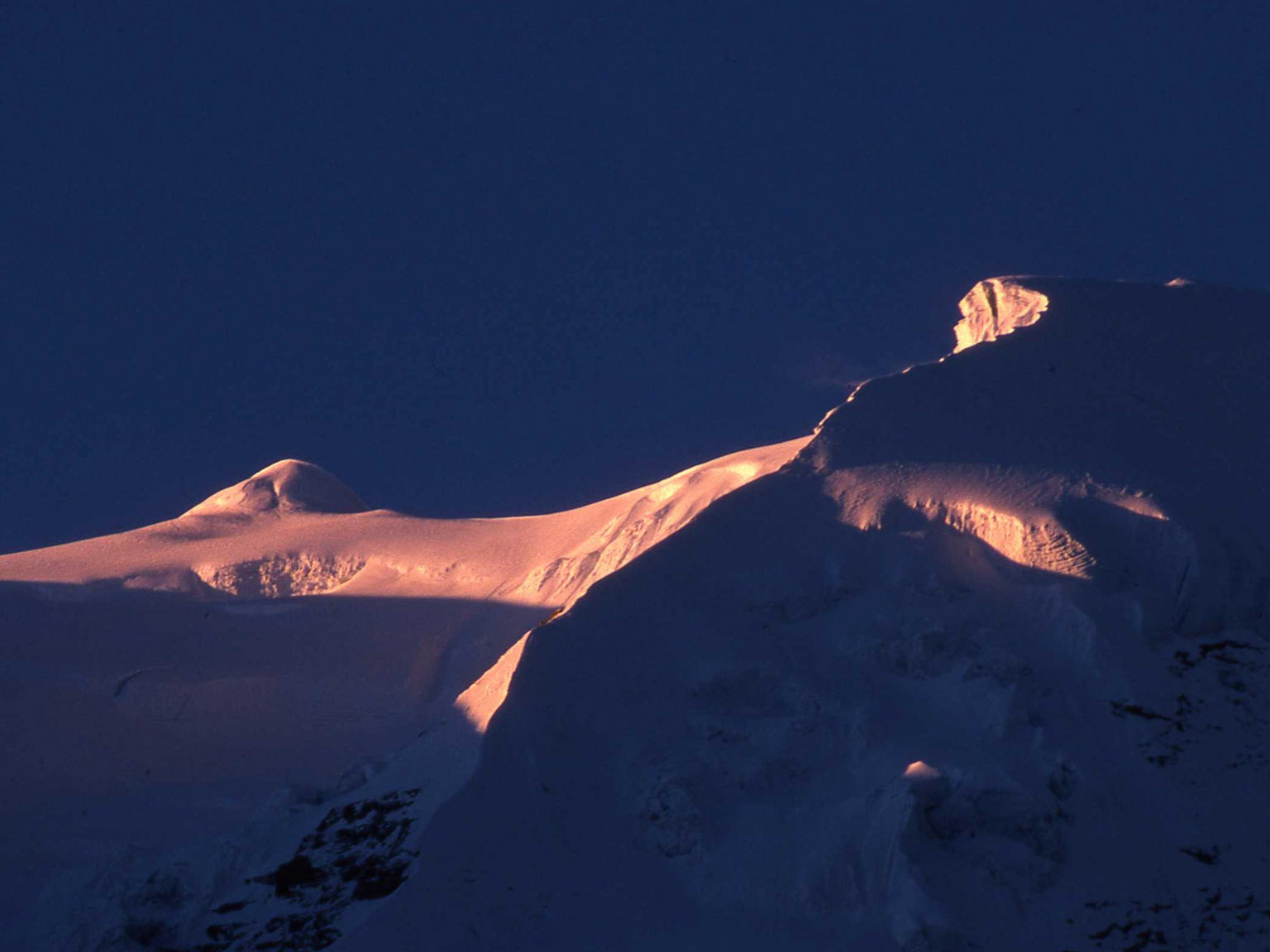
Alpenglow on Mera Peak, Khare, Nepal, October 1997
This is my favourite image from our trip to Nepal.
We had summited Mera Peak the previous day and returned direct to Khare, descending in one day what had taken us two to climb. We were tired, cold and, although it in no way detracted from the excitement of reaching the top, somewhat disappointed in the zero visibility from the summit - no views of the 7000 and 8000 meter peaks to the north. Waking up before dawn in Khare, we stood around our tents shivering and singing the Beatles' "Here Comes the Sun", waiting for the sun to rise over the high mountains. As it did, we had the most amazing rose-gold alpenglow hit the peak and then slowly paint the rest of the upper mountain - it was magical and went a long way to making up for the missed views of the previous day.
Canon EOS 50e, with Canon EF 20-35 mm at (probably) 35 mm, on Kodachrome 64, handheld (pre-digital, so no exposure data recorded).
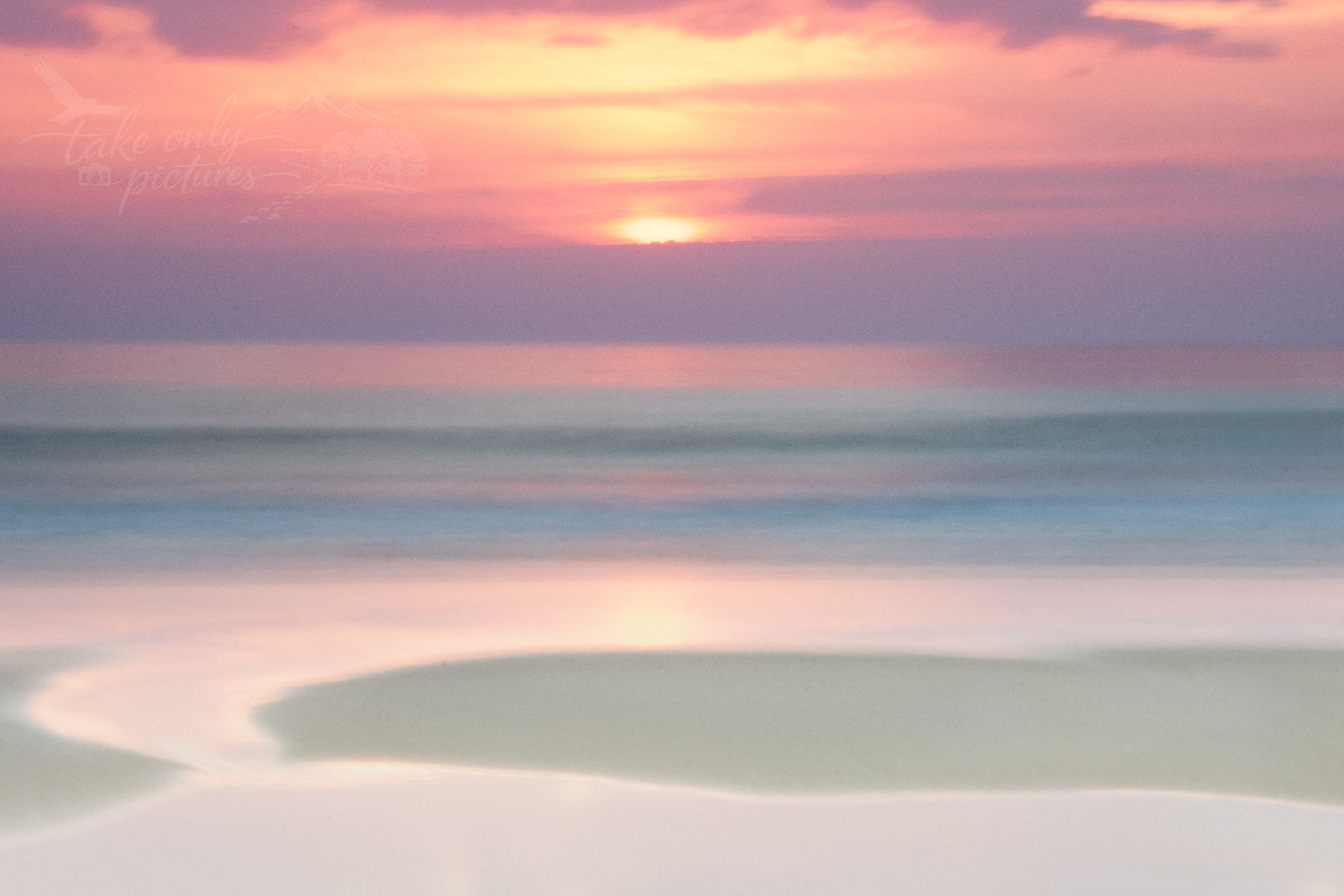
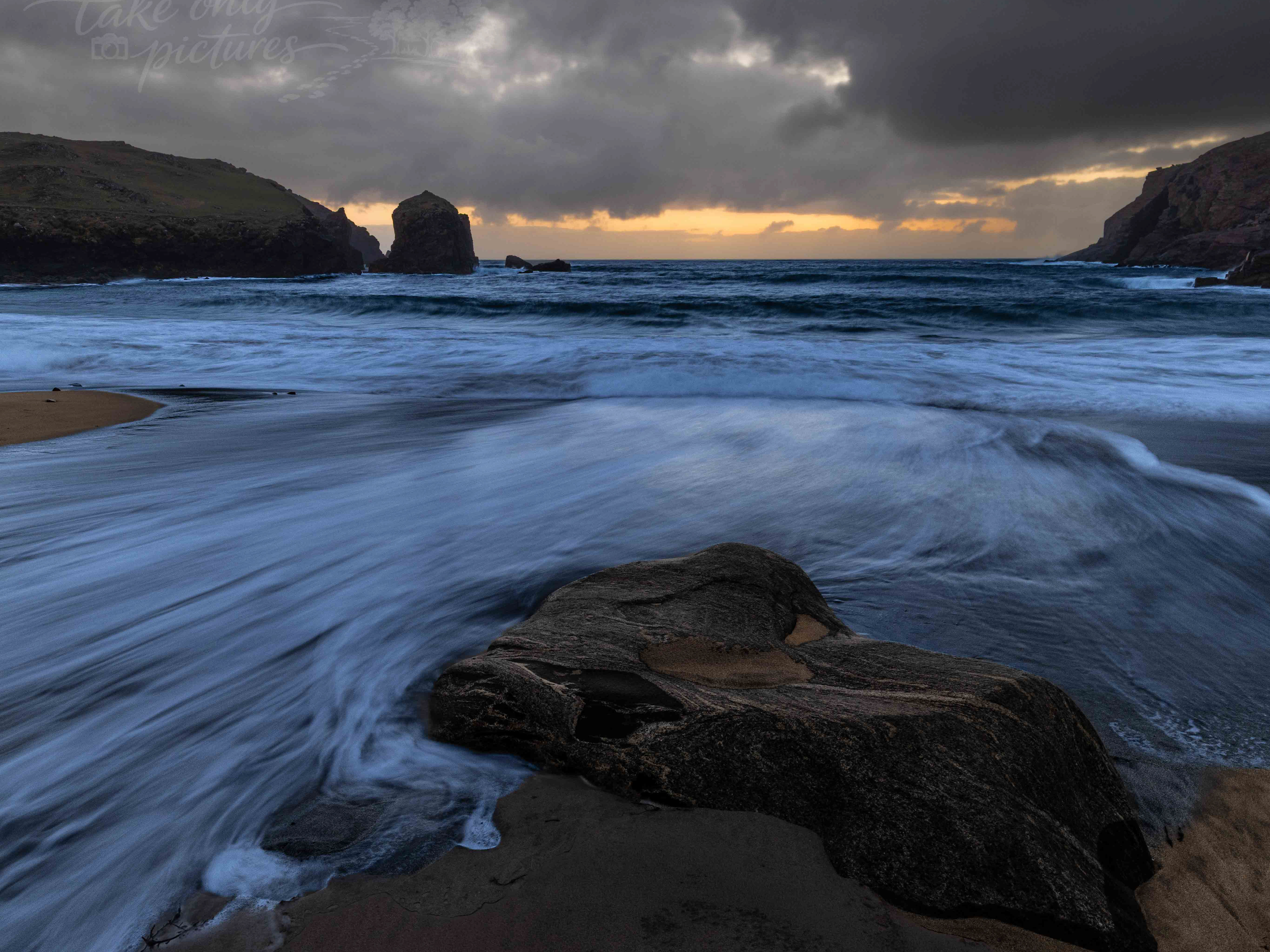
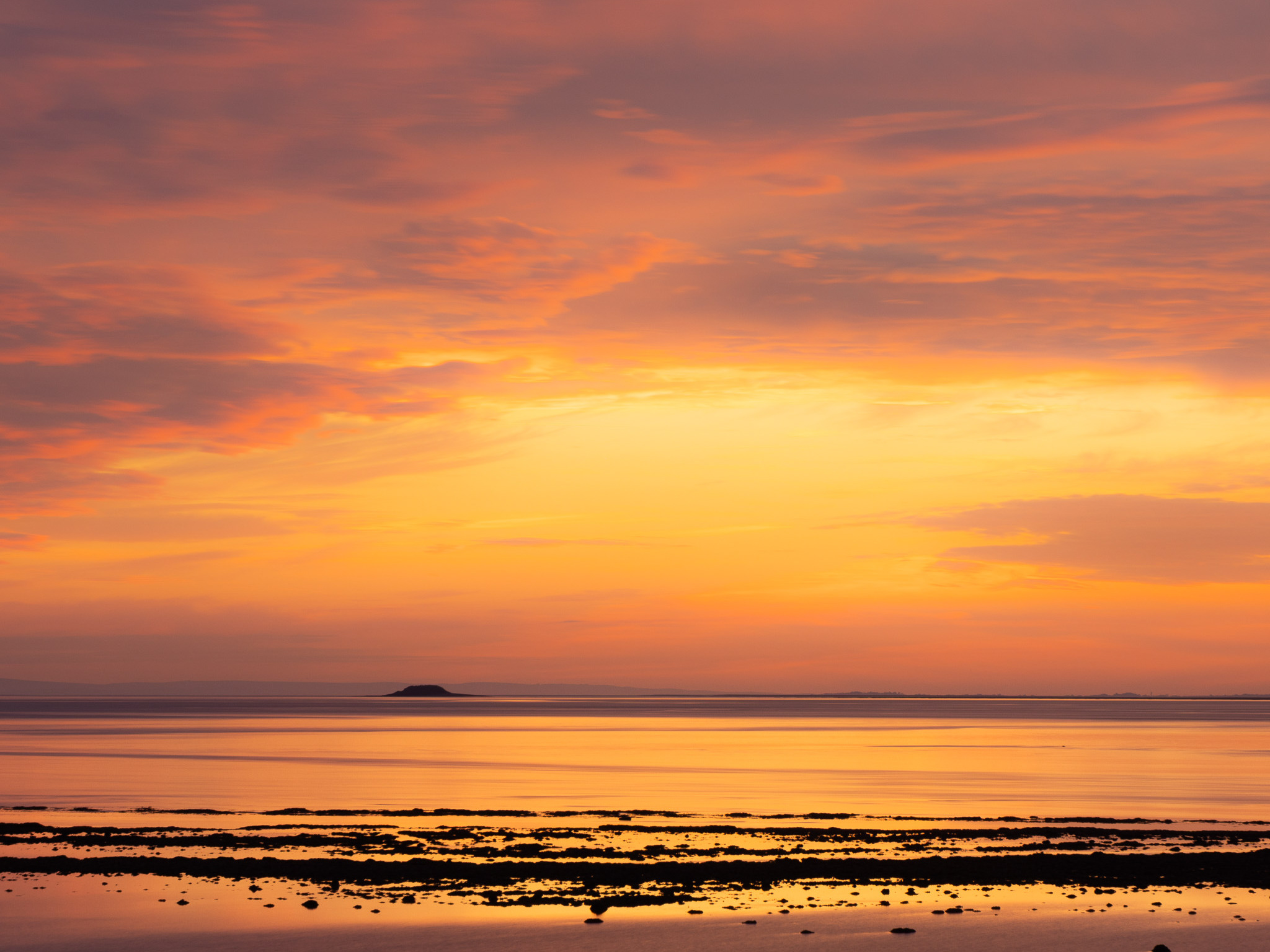
Traigh Iar sunset, Isle of Harris, September 2023
We had just arrived on our first visit to the Isle of Harris and Lewis, and having made camp at Horgabost, hotfooted over the hill to watch the sunset at Traig Air. With the weather forecast looking decidedly changeable for the following week, the chances of decent light was looking dim.
The evening didn't disappoint and as the sun sank to the horizon, the sky set alight with all hues of oranges, pinks and blues. This was one of my first opportunities to experiment with ND filters, so after a few more conventional shots, I stuck on a 10-stop filter and overexposed by one and one third stops to try to get a more impressionist feel. This jpeg is pretty much what came out of the camera - I've straightened and cropped it, removed some internal sunspots and increased the contrast a little.
Canon EOS 90D, with EF 18-135mm at 78 mm. ISO 100 at f/36 and 15 second. Tripod.
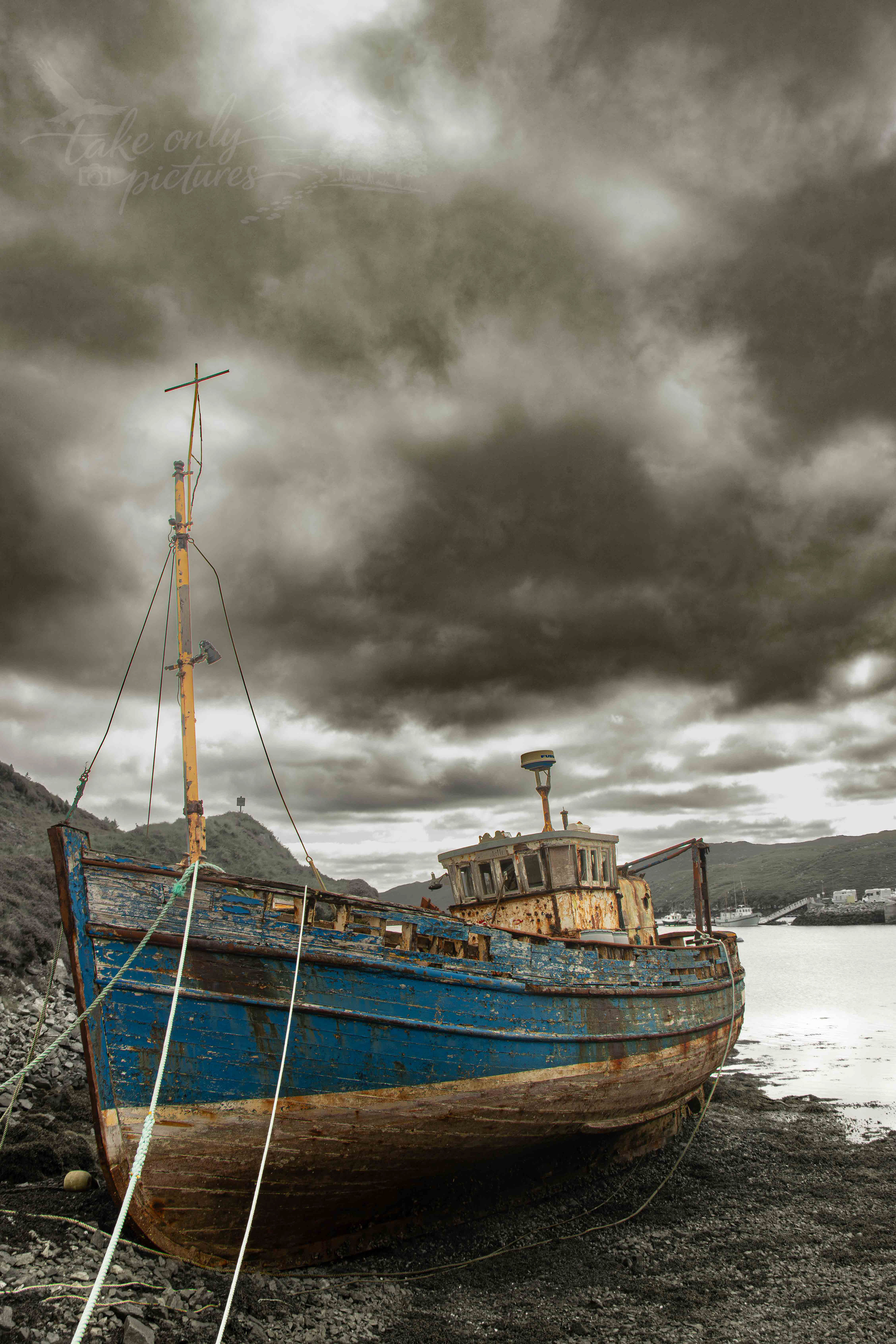
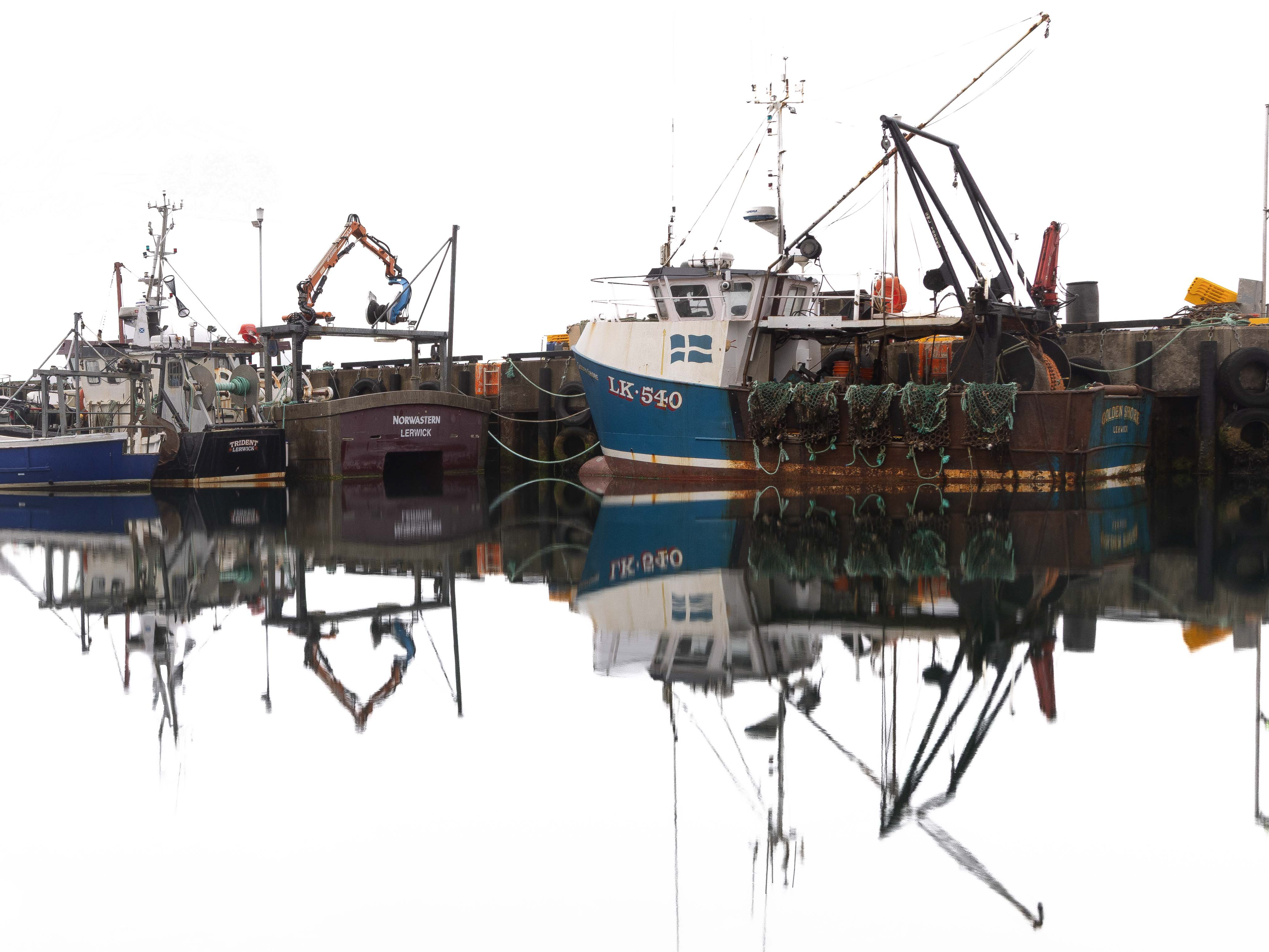
Boat Story, Riof, Isle of Lewis, September 2023
This was taken on a glorious day, walking around the Riof headland in west Lewis. I thought this old abandoned fishing boat might make a reasonable shot, but it took many hours of post-processing to get the finish I was happy with.
Canon EOS 90D, with EF 18-135mm at 18 mm. ISO 100 at f/10 and 1/25 second. Tripod.
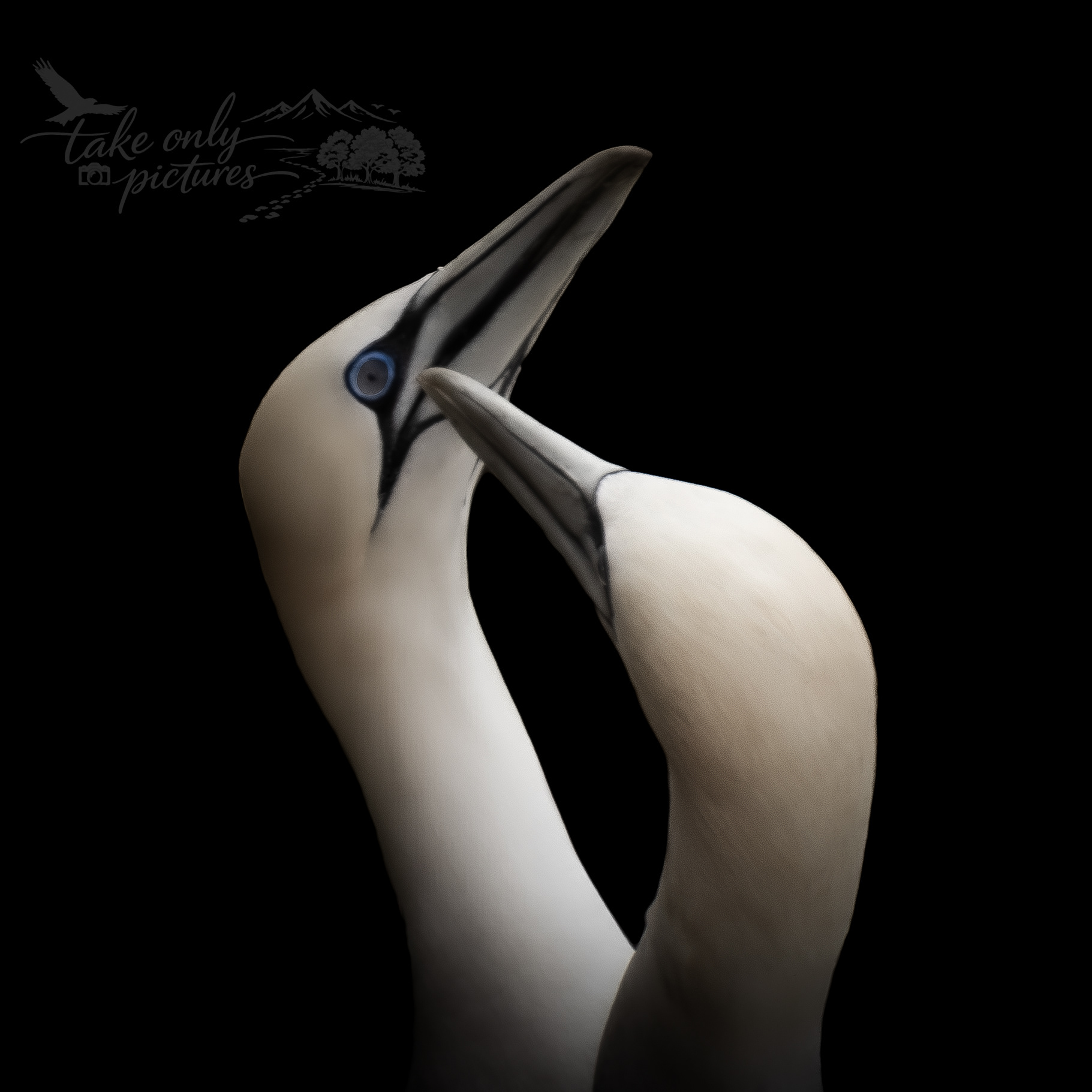
Northern gannets, Hermaness National Nature Reserve, Unst, Shetland, June 2025
Hermaness is one of the few truly wild places in the UK. Perched at the very top of the country (Muckle Flugga is just a couple of 100 meters offshore), it is home to up to 30,000 breeding pairs of gannets, as well as puffin, fulmar, great skua and other seabirds. Visiting is a sensory overload - the sight, sounds, smell and even taste are as overpowering as those of any major city, only this one is occupied by seabirds.
We visited during breeding season on one of the only clear days of our Shetland trip. Photographing gannets in-flight was relatively easy - there were thousands to choose from. But, inspired by Rachel Bigsby's "The Art of Courtship", I also wanted to get some close ups of a pair of birds allopreening. At the far eastern end of the colony, the ground falls off slightly allowing you to look horizontally across to a number of nests, where this picture was taken.
Canon EOS R5, with EF 100-400 mm L and 1.4x converter, at 560 mm. ISO 640 at f/8.0 and 1/1000 second. Handheld.
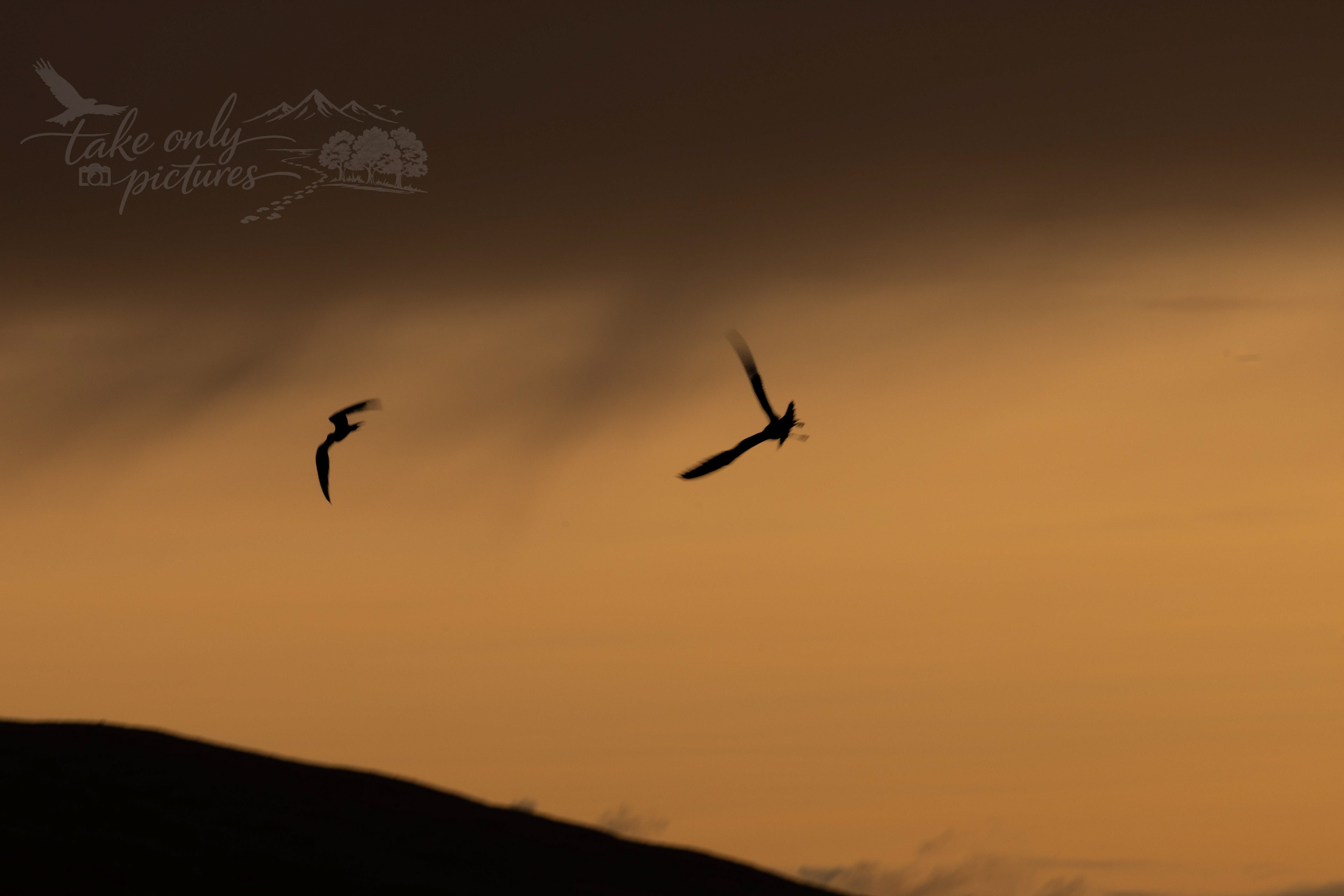
Early morning piracy - Arctic skua and tern, Haroldswick, Unst, Shetland, June 2025
Another memorable experiences from our Shetland trip. We had seen seals and divers the previous evening when we parked the van, so I woke early the next morning to see what was around. The sun was still well below the horizon, but it was beginning to light the eastern sky with an etherial golden light. The morning was (uncharacteristically) still, and quiet apart from the occasional snipe drumming over the nearby fields. It was magical.
No sooner had I closed the van door, that an Arctic tern screamed overhead, closely pursued by an Artic skua, harrying the smaller bird until it relinquished its catch, which the skua pounced upon and gratefully consumed. I had no time to adjust my settings, so simply fired and hoped for the best - the 1/160 of a second shutter speed is obvious! While not technically perfect, the conditions and spectacle makes this one of my favourite pictures.
Canon EOS R5, with EF 100-400 mm L, at 264 mm. ISO 100 at f/7.0 and 1/160 second. Handheld.
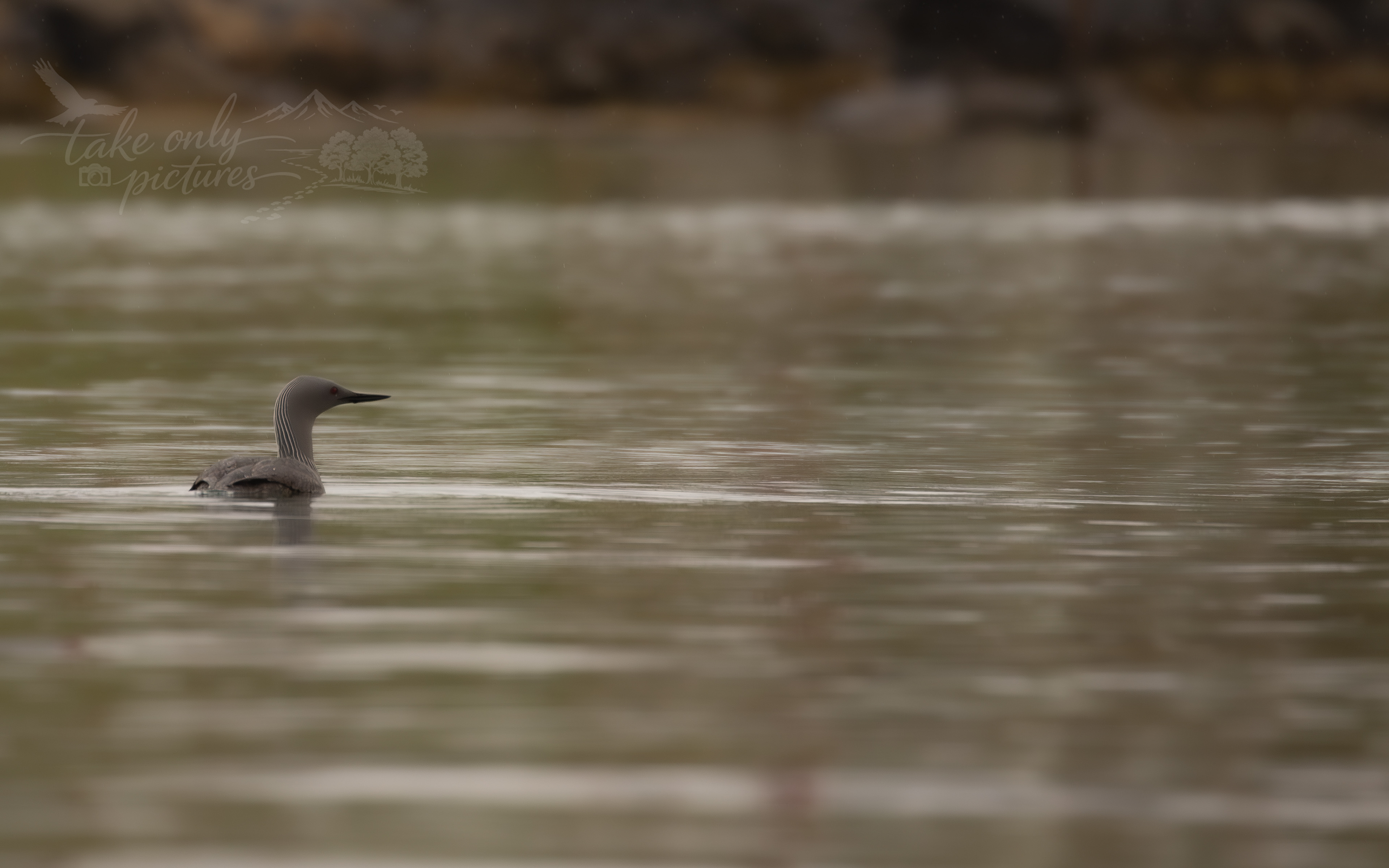
On golden pond, Haroldswick, Unst, Shetland, June 2025
Shetland and, in particular, Unst were a rich vein for photography. This picture of a red throated diver on the water at Haroldswick was taken just a few hours after the skua/tern dogfight above. The light was still at a low angle and with touch of golden green, and the Wick was oily smooth. A couple of divers were fishing around the bay, but rarely swam close enough to where I was crouched in among the rocks. The only tactic I had any success with was to wait for them to dive and move to a point on the shore closest to where they might surface. Usually I got this wrong and they emerged on the opposite side, but on this occasion it worked.
Canon EOS R5, with EF 100-400 mm L with 1.4x converter, at 500 mm. ISO 1600 at f/8.0 and 1/1000 second. Handheld.
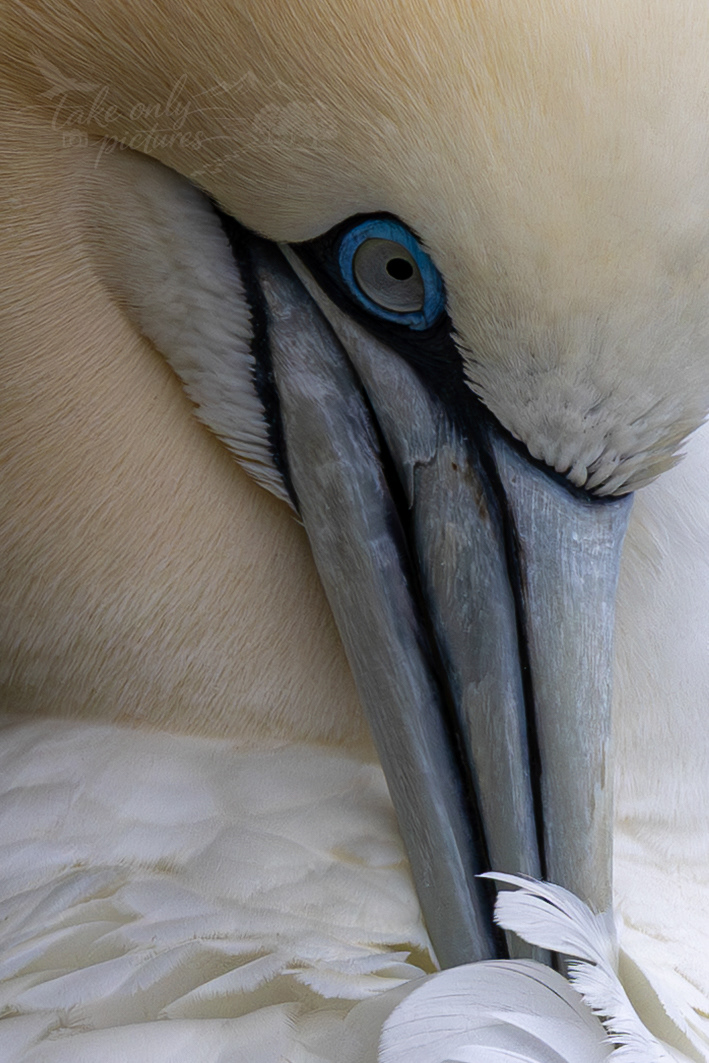
Softly does it, Noss, Shetland, June 2025
While not as impressive as Hermaness on Unst, the gannet colony on the Isle of Noss is still a superb spectacle. More importantly, it offers a couple of small, exposed ledges where, with a steady head for heights, you can get a bit closer to the gannets. This bird was quite happy preening, completely oblivious to me just 10 meters or so away. For such large and robust birds, they have a certain softness about them.
EOS R5, with EF 100-400 mm L, at 321 mm. ISO 250 at f/5.6 and 1/800 second. Handheld.
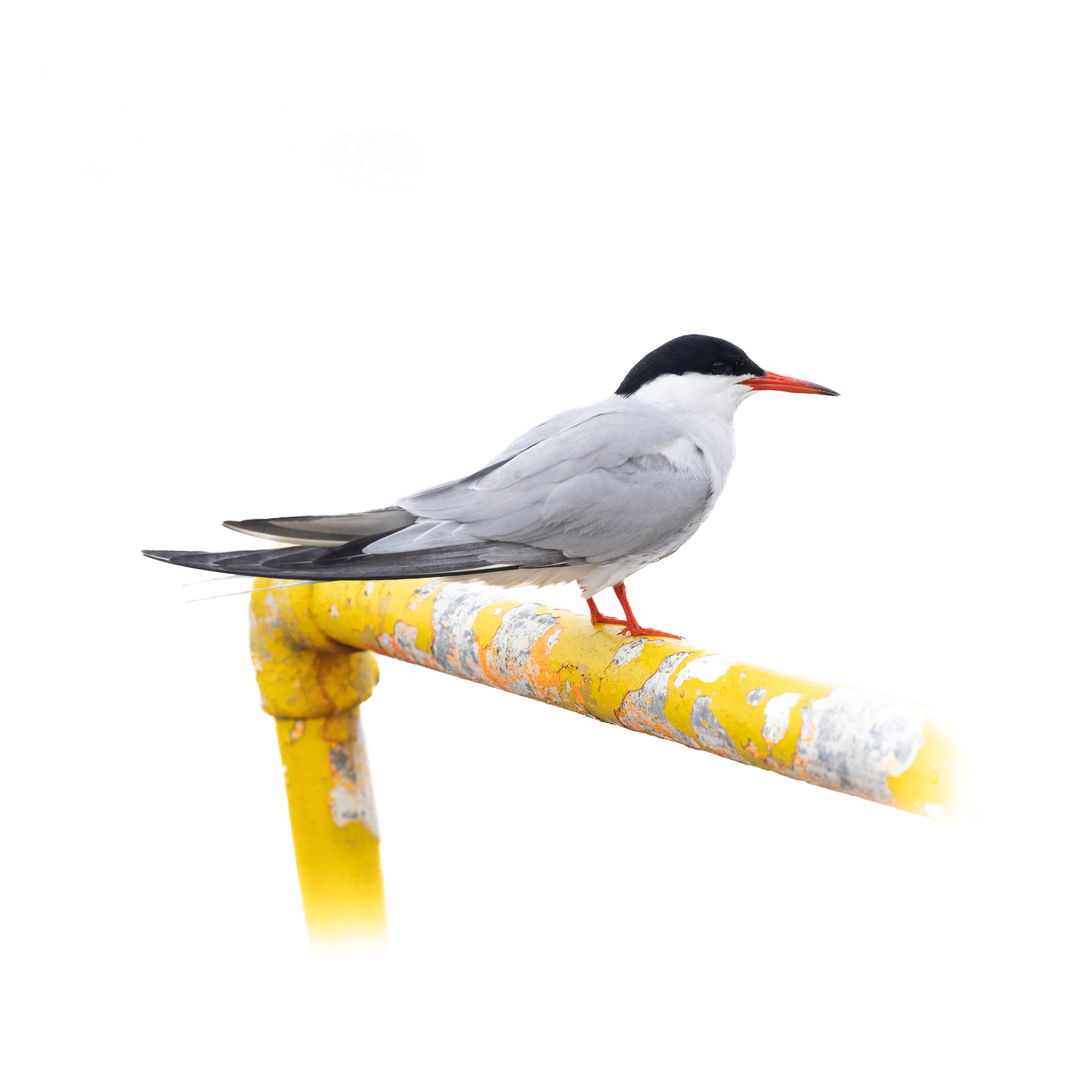
Common Tern, Lerwick Harbour, Shetland, June 2025
On our last morning on Shetland, we were wasting a few hours in Lerwick before boarding the ferry back to Aberdeen. Common terns are on constant patrol along the harbour side, feeding on the shoals of sandeels taking refuge around the boats and jetties. This bird, was quite confiding, which was fortunate as I only had my 24-105mm lens and was able to get close enough for this shot. While I cropped and significantly overexposed the background in post-processing, the contrasting colours of the bird and railing are entirely natural.
Canon EOS R5, with RF 24-105 mm L, at 105 mm. ISO 500 at f/4.5 and 1/2000 second. Handheld.
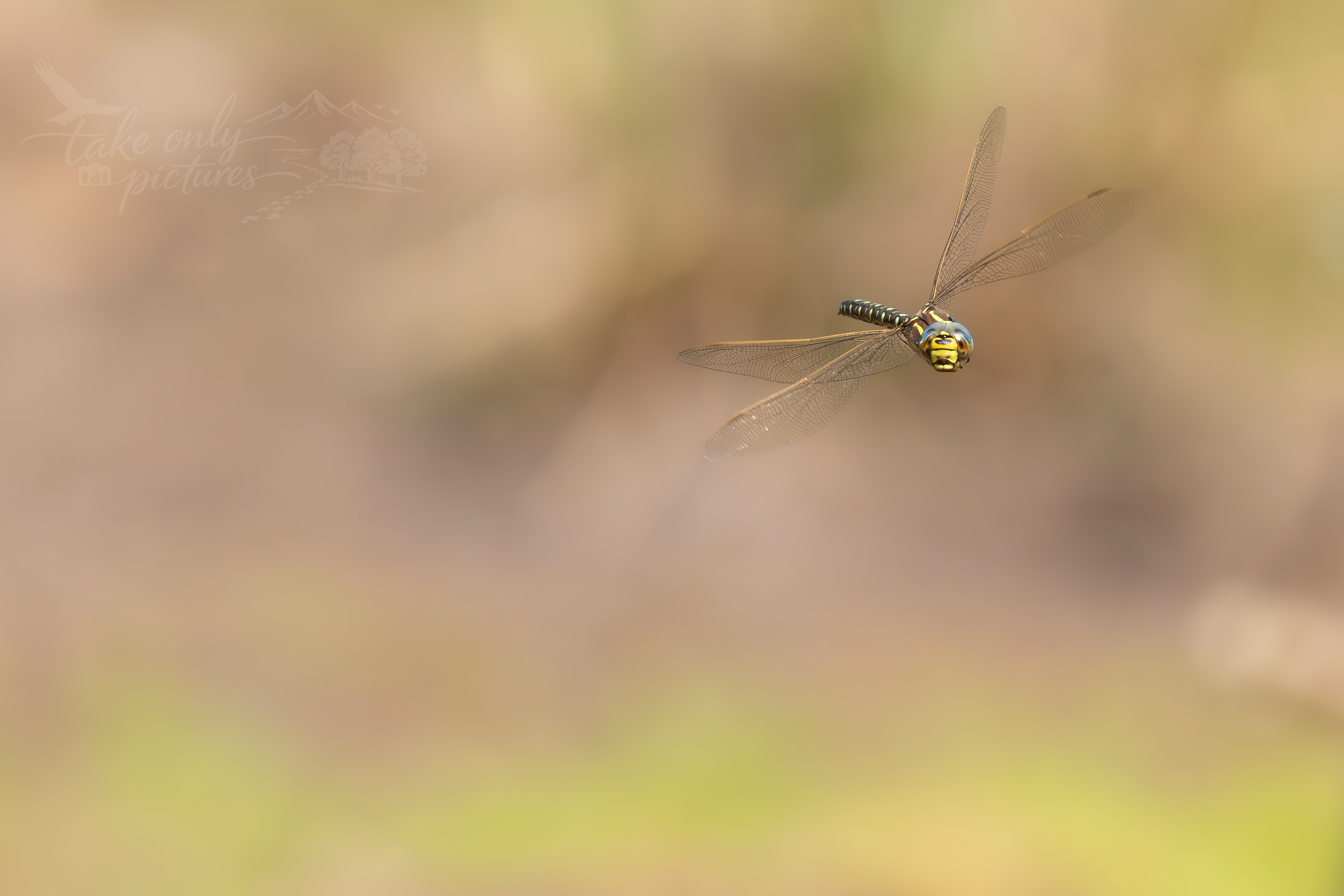
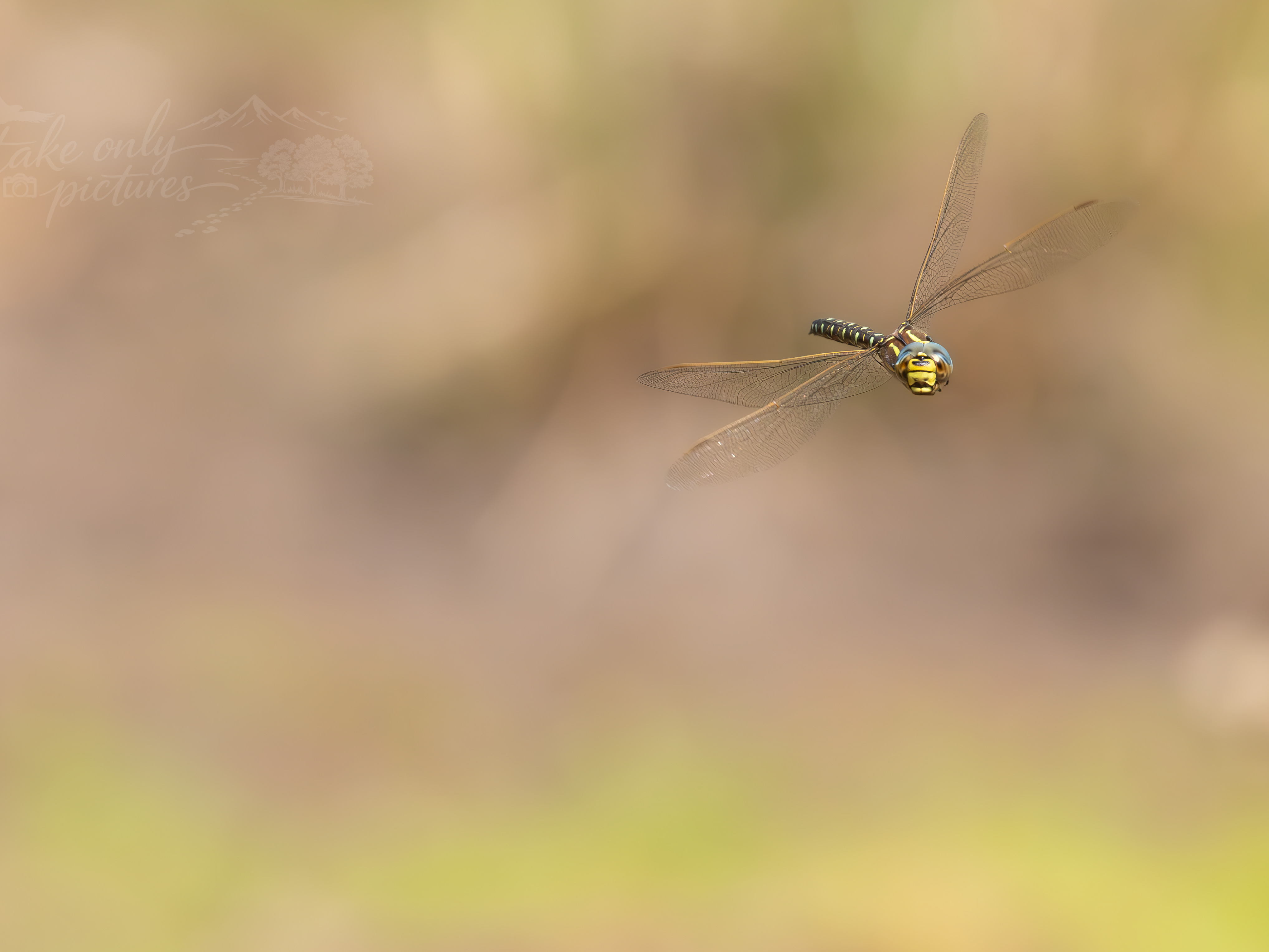
Migrant hawker, Chepstow Park Wood, Monmouthshire, August 2025
I had never had much luck photographing dragonflies in flight - if I ever got them in focus, most likely I would only catch a wing or a tail as the insect darted off the edge of the viewfinder. This all changed when I discovered two things - pick your species (while many dragonflies will keep their distance, some are inquisitive of or even challenging to human intruders) and the right setting in the object-tracking mode. Once one of these migrant hawkers came close, there was a chance they would hang in front of you just long enough for the focus to lock-on. Using a relatively small aperture (f/9.0) allowed enough depth of field to get most if not all of the body in sharp enough focus, while retaining a blurry background.
Canon EOS R5, with EF 100-400 mm L, at 400 mm. ISO 5000 at f/9 and 1/4000 second. Handheld.
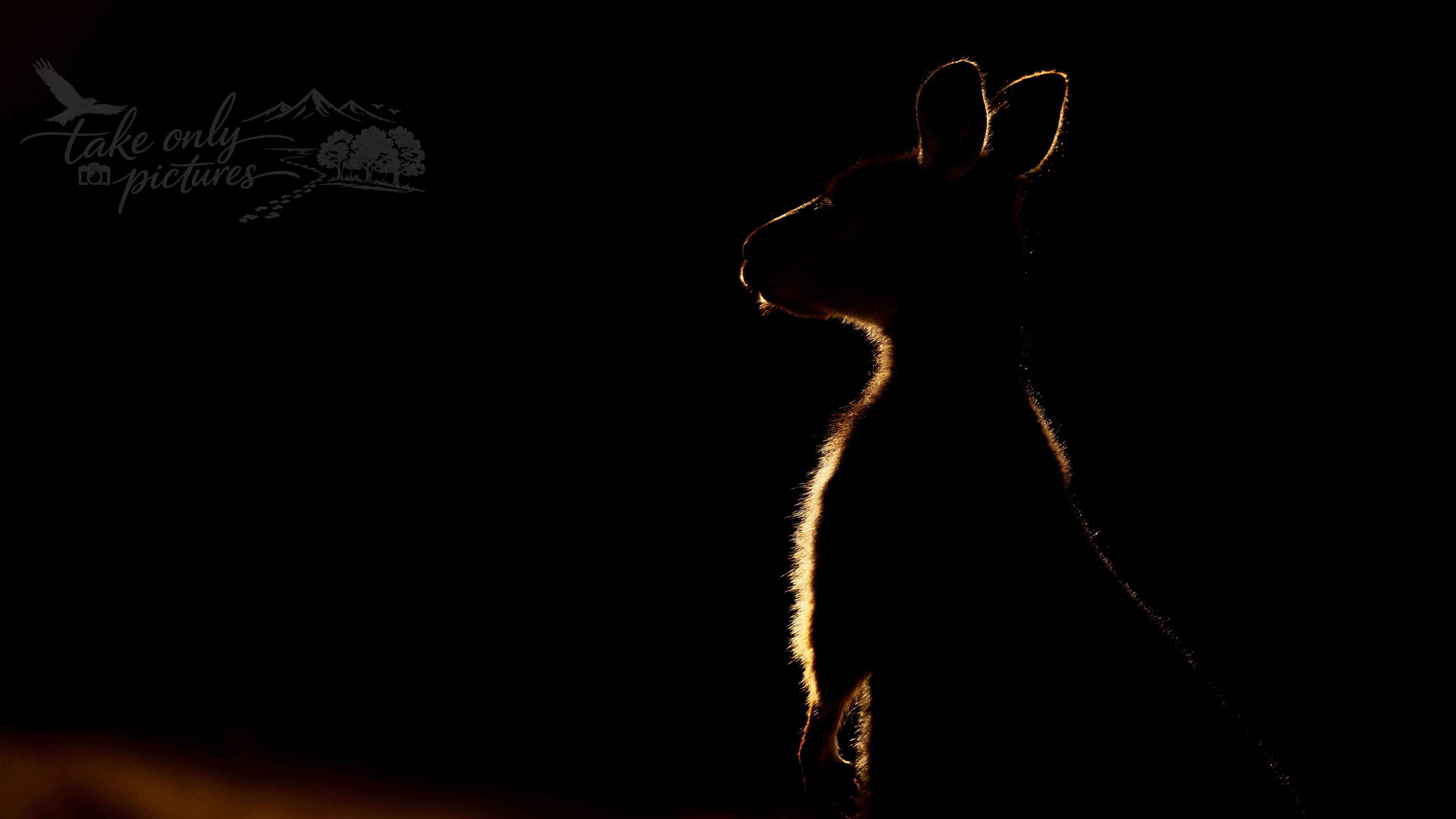
Golden halo, Kangaroo Island, South Australia, February 2026
One of the photos I coveted on our trip to Australia was a kangaroo backlit against the evening sun. We were driving back late in the day, after an afternoon at Stokes Bay on Kangaroo Island. I decided to walk the last km or so back to the accommodation to see what was around. A mob of Kangaroo Island grey kangaroos (a sub-species of the Western grey kangaroo) were loafing about on a patch of scrub. I expected them to scarper, but seemingly unperturbed by my presence, I was able to get close enough and low enough to shoot this youngster against with the late afternoon sun.
Canon EOS R5, with EF 100-400 mm L at 400 mm. ISO 500 at f/6.3 and 1/1600 second. Handheld.
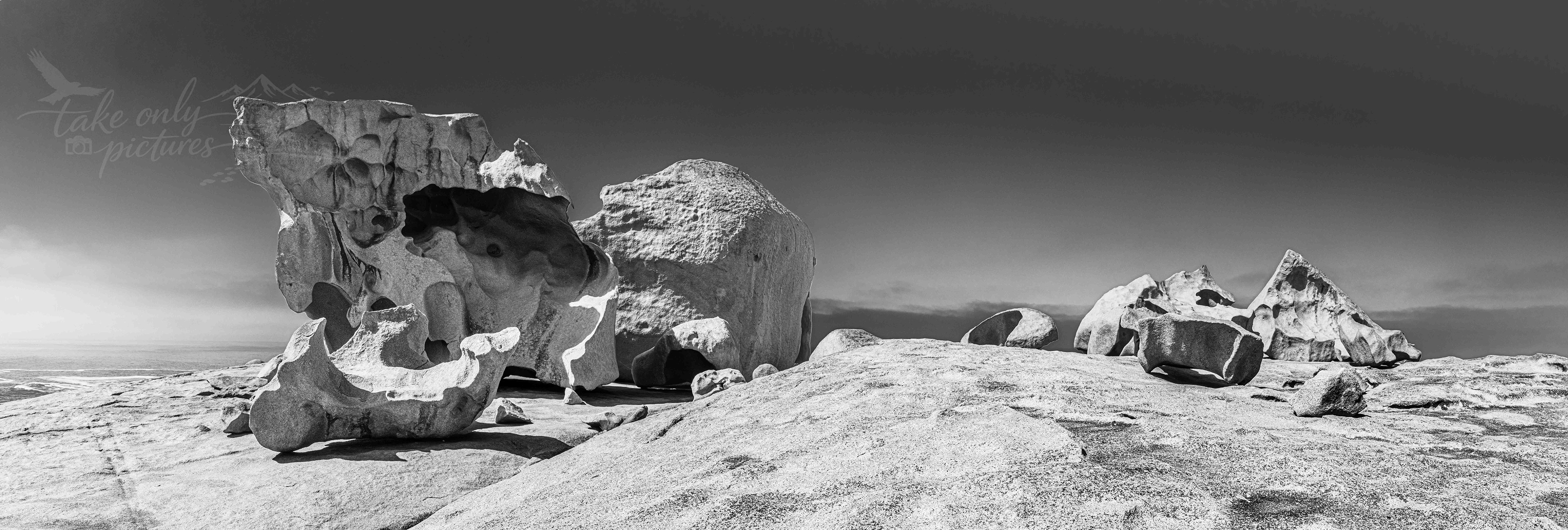
Remarkable Rocks, Kangaroo Island, South Australia, February 2026
Australians have a habit of naming natural features as they see them - Muddy Bay, Wave Rock, Blue Mountains... No more so than Kangaroo Island's Remarkable Rocks - they truly are remarkable!
We drove the length of the island early in the morning to avoid the crowds at this popular destination, only to find the rocks shrouded in heavy sea mist. While this worked well for some other compositions, it was only when the mist lifted and the bright sun cast dark shadows, that I switched to black and white and captured this panorama (three separate shots).
Canon EOS R5, with RF 24-105 mm L, at 24 mm. ISO 100 at f/11 and 1/50 second. Polarising filter. 3-shot panorama. Benro Cyanbird tripod.
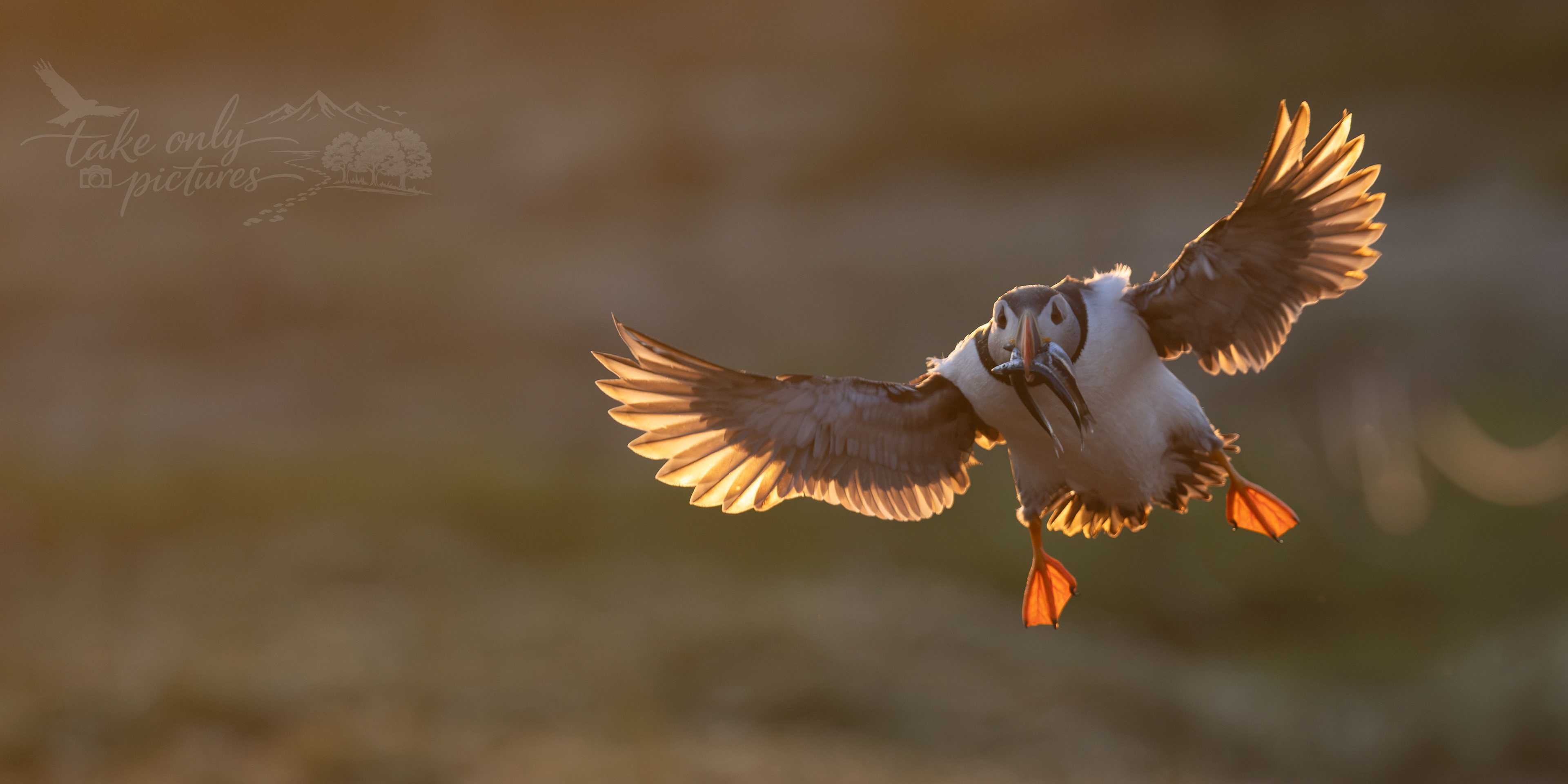
Evening takeaway, Y Wig, Shomer Island, Pembrokeshire, July 2026
After spending several hours speed-dealing the booking line last October, we were lucky enough to get a two night stay on Skomer Island during the peak puffin season. Not only were the breeding adults feeding their pufflings, but large numbers of non-breeding adults had returned to land for the first time since fledging, several years before. After a long day walking around the island and after the day visitors had returned ashore, 14 of us had the place to ourselves. As the sun began to set, Y Wig (The Wick), which had been so busy during the day, was painted with a lovely golden light as the adults brought home perhaps the last meal of the day.
I have found photographing puffins in flight extremely difficult in the past. This evening, I had time to observe individual birds as they came in to land and, if they couldn't avoid the attention of the waiting gulls, loop back out to sea to attempt a second, third or even fourth landing. In this way, I was able to choose the best position and angle to shoot into the sun to get that coveted backlit picture.
Canon EOS R5, with EF 100-400 mm L, at 234 mm. ISO 1600 at f/5.6 and 1/2000 second. Handheld.